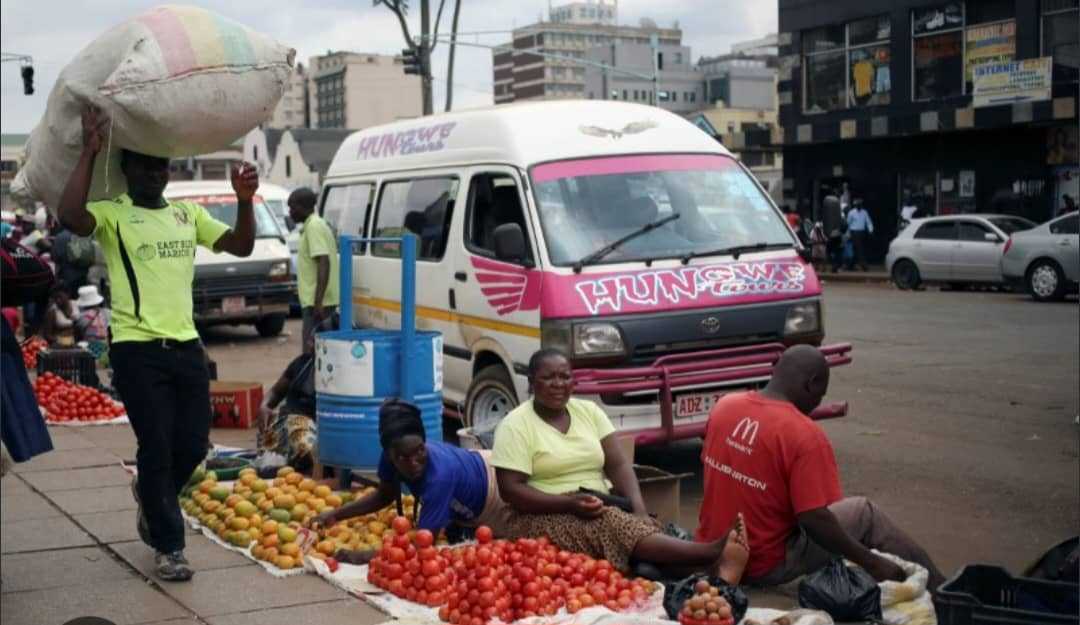





A woman walks along Sam Nujoma Avenue in Harare. Less than a metre ahead, a man is urinating against a tree. She must pass right next to him, cross the road or wait for him to finish.
Such encounters have become routine. Men urinate against walls, trees, behind kombis and between parked vehicles, right there within full view of women, children, the sky.
The acrid smell now forms part of Harare’s cityscape. It rises from alleyways, stained pavements and tree trunks, becoming stronger as temperatures climb towards summer.
“This is a threat to public health, contributes to the damage of property and negatively affects the environment,” said Mutsambi Takura.
Owen Harrison of Chitungwiza is concerned about urination near bars, markets and food outlets. “Some people urinate near areas where food is being cooked, creating potential health risks for the public,” he said.
“Even some kombi drivers stop and urinate in these places, which affects hygiene and the safety of those using these spaces.”
The obvious explanation is that Harare lacks enough clean and accessible public toilets. But an experiment along Leonid Brezhnev Avenue, formerly Fife Avenue, suggests that shortage is only part of the problem.
In 2025 someone set up a portable pay toilet near the busy undesignated bus stop. She charged 50 cents,the same fee charged at some City of Harare toilets. The business failed.
“Only women would sometimes use it. Men actually started peeing against the toilet,” a nearby vendor said. Given a toilet, some men chose its outside wall. Three touts at the undesignated terminus said it was too expensive as one needs to urinate up to five times on any given day.
Tinashe Nhanhanga said this makes public urination as much an issue of indecency as infrastructure.
Related Stories
“It is inappropriate for a grown man to urinate in public spaces, especially in front of women and other people passing by,” he said.
A woman who requested anonymity was blunter.
“The fact that women do not urinate all over the city shows that men have simply given themselves permission to be uncouth,” she said, calling for offenders to be arrested and fined.
The Environmental Management Agency said the matter falls under the Public Health Act, administered by the Ministry of Health and Child Care.
City of Harare and Geo Pomona Waste Management have introduced high-pressure washing in some CBD public spaces. But the service is limited, and washing the day’s urine overnight is of limited value when morning will bring a fresh deluge.
Internationally, other cities combine facilities with enforcement.
Hubballi-Dharwad in India introduced waterless urinals after conventional facilities struggled with water and maintenance problems. Amsterdam and some British cities deploy temporary or retractable urinals.
British councils have also paid shops and restaurants to make their toilets freely available to the public. Hamburg tested liquid-repellent coatings on repeatedly targeted walls.
Harare could begin with free waterless urinals at five known hotspots, enclosed facilities for women and people with disabilities, partnerships with nearby businesses and signs showing the nearest toilet.
Municipal police could initially warn offenders before introducing fines or community service. Bars and rank operators should also help provide toilets where their activities draw large crowds.
The city needs clean and convenient places for people to go. Those who continue going everywhere else need consequences.










Leave Comments