









Agnes, 30, was 16 and preparing for her Form Four examinations when she discovered she was two months pregnant.
Her boyfriend, who was also 16 at the time, rejected the pregnancy. She did not know where to find sexual and reproductive health information or what options were available to her under Zimbabwean law.
“Growing up in a conservative family, my father passed away and my mother was a vendor. We were always told if you get pregnant you will go live with your husband.
“My boyfriend had rejected the pregnancy. I had nowhere to go. The only option was to get rid of the pregnancy but how? I didn’t know how to do it,” Agnes said.
She began gathering information from other people without revealing that she was the one who needed to terminate a pregnancy.
She tried various traditional concoctions, including roots, barks and leaves from trees, but they did not help her.
“I even attempted to drink washing powder. I later found a herb that I inserted in my reproductive organs and started bleeding and lost the pregnancy.
“I bled for over seven days and I thought I was going to die. I hid it from my mother, who thought I was having menstrual cramps. I kept it a secret till date,” she said.
Agnes survived, but the experience did not end when the bleeding stopped.
The real gap: Not only services, but information
What Agnes lacked at 16 was not simply access to a safe procedure. She lacked information on where to find sexual and reproductive health services, how to seek help safely and what the law said.
Instead, she sought help from an elderly woman in the community, the wife of a traditional healer, who was unable to provide her with a safe solution.
That lack of information shaped the choices she believed were available to her.
Nearly 15 years later, would another 16-year-old girl in Zimbabwe know where to go?
What a 16-year-old should know
A teenager should be able to find clear answers about where to obtain sexual and reproductive health information, where to seek help when pregnant, including counselling and antenatal care, and where to obtain post-abortion care if complications arise, regardless of how the abortion occurred.
Dr Rumbidzai Makoni, an obstetrician and gynaecologist, said access to post-abortion care was crucial in reducing complications arising from unsafe abortion.
“If it is done safely and according to protocol, there are no long-term physical effects. When unsafe, risk of infection in the uterus can affect future fertility, leading to either recurrent miscarriages or total failure to conceive.
“Post-abortion care is provided in an empathetic, non-discriminatory manner, and patient privacy and confidentiality is maintained according to the ethical principles of patient care,” she said.
Agnes is now 30, but says she still experiences abdominal cramps which she believes are linked to the unsafe termination of pregnancy she underwent as a teenager.
Related Stories
She says she could have sought post-abortion care had she known where to go.
For girls facing an unintended pregnancy, other critical questions include what confidentiality means in healthcare, what the Termination of Pregnancy Act allows and does not allow, what protections exist when a pregnancy results from sexual violence, and what support is available to help them remain in school.
Unintended pregnancy as a gender inequality issue
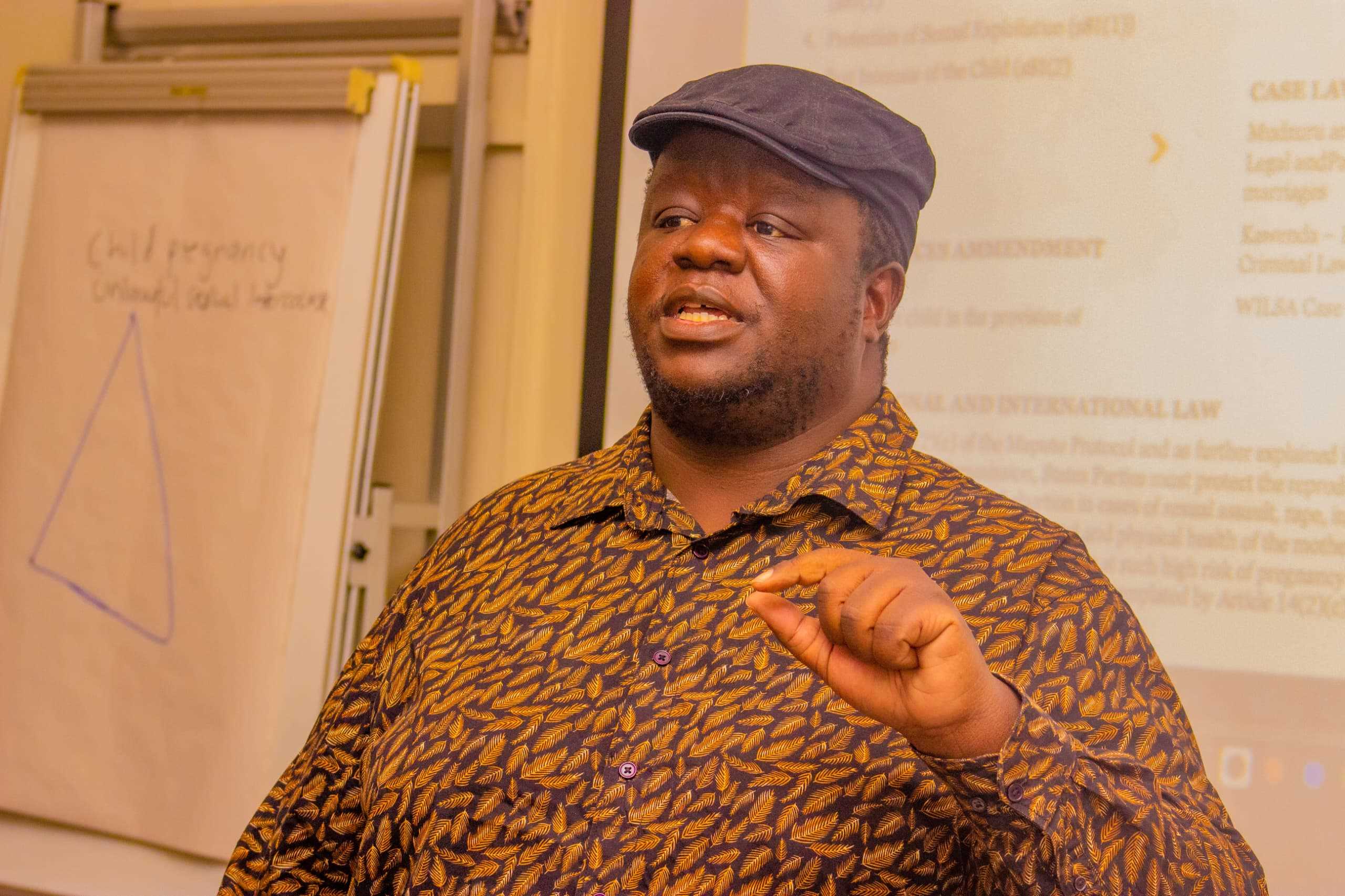
Speaking during a media forum, Tinashe Mundawarara, Board Chairperson of the Health Law and Policy Consortium, framed unintended pregnancy through five layers of inequality: body, economy, power, violence and stigma.
For Agnes, the bodily consequences were reflected in bleeding that lasted more than seven days, highlighting the dangers associated with unsafe termination methods.
Economically, she was preparing for her O-Level examinations, and an unintended pregnancy could disrupt her education and future opportunities.
In terms of power, she lacked some of the basics needed to make informed choices, including money, information and a trusted adult to turn to.
Violence also plays a role, with girls facing pregnancies resulting from rape, incest or coercion facing additional vulnerabilities.
Stigma further compounds the problem. Agnes hid her bleeding because she feared how those around her would react.
Sexual and reproductive health rights advocate Memory Kadau said stigma could keep people away from services even when supportive policies were in place.
“The Education Act says it is now illegal for a school to expel or suspend a child on the basis of pregnancy, but how many parents would allow their kids near a pregnant pupil at school?
“The fear of stigma will push [them] away from accessing the services they are required to get,” she said.
Laws on paper, clarity in life
Zimbabwe’s Constitution includes protections often cited in sexual and reproductive health rights debates, including the right to healthcare under Section 76 and provisions relating to children’s rights and their best interests.
However, rights can only protect people who know about them and are able to use them.
The Termination of Pregnancy Act permits termination only under specified circumstances, meaning a minor does not automatically have access simply because she is young or afraid.
This raises questions about whether a girl facing a crisis can understand the law, reach an appropriate health facility and receive care with confidentiality and dignity.
Mundawarara argues that abortion access for children under 18 should be considered as a constitutional right and in the best interests of the child, citing potential complications associated with pregnancy and unsafe abortion, including obstetric fistula, eclampsia, pre-eclampsia and haemorrhage.
Education policy also matters. When a teenage girl becomes pregnant, questions remain about what measures are available to help her return to school and continue writing examinations.
With policies and laws continuing to evolve, Agnes wishes she had had access to clear information when she was 16.
She does not want another girl to go through what she experienced simply because she did not know where to seek help.





Leave Comments