
Blueberry Export Boom at Risk Without New Investment
Oscar J Jeke- Zim Now ReporterZimbabwe’s blueberry industry, which has recorded a 351% surge in export earnings over the past four years, risks stagnating unless new investment and market access are s...
Oscar J Jeke- Zim Now Reporter
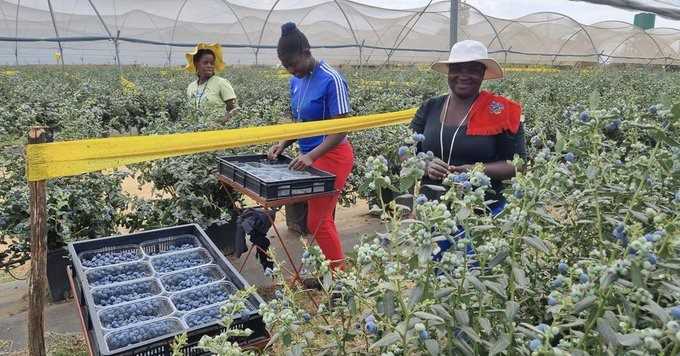
Zimbabwe’s blueberry industry, which has recorded a 351% surge in export earnings over the past four years, risks stagnating unless new investment and market access are secured, the Horticultural Development Council has warned.
According to ZimTrade, blueberry export earnings rose from US$11 million in 2020 to more than US$50 million in 2024, while volumes increased from about 2,500 tonnes to over 6,200 tonnes during the same period.
Output is projected to reach 8,000 tonnes in 2024 and 10,000 tonnes in 2025, driven largely by the maturation of existing plants rather than new cultivation.
HDC chief executive Linda Nielsen said the current growth trajectory would be short-lived without additional capital.
“This year we’re aiming for 8,000 tonnes. However, the expansion is not from new plantings but from plant maturity because we still don’t have enough capital to expand,” she said.
To achieve its target of 1,500 hectares under cultivation and 30,000 tonnes in annual production by 2030, the sector requires about US$240 million in fresh investment. Nielsen also urged the government to speed up trade protocols to access key markets such as China and India.
The council says financing constraints remain a major hurdle, with local banks reluctant to offer long-term loans and exporters required to surrender 25% of their foreign currency earnings at the official exchange rate.
Posting on X, the HDC noted that while Zimbabwe’s fruit exports are growing, “much of the growth comes from existing plantings that are now maturing, and not new plantings.
Without new crops, output will plateau. We need policies that drive investment, turning short-term gains into lasting growth.”

About Audrey Galawu
Assistant Editor