
Indigenous Forest Traders on Notice as Government Threatens Crackdown
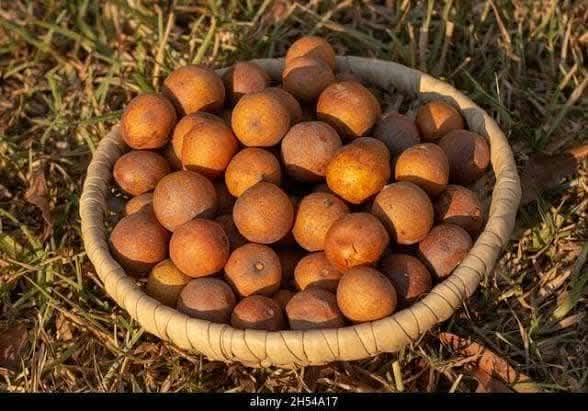
The Government has given individuals and businesses involved in the commercial exploitation of indigenous forest products 30 days to regularise their operations or face enforcement action, as authorities move to curb unregulated trade in natural resources and ensure communities benefit from their exploitation.
In a public notice issued by the Ministry of Environment, Climate and Wildlife, the Government warned that the commercial collection, processing and sale of forest products from communal land without the necessary authorisation violates the Communal Land Forest Produce Act [Chapter 19:04].
The notice covers non-timber forest products, including wild plants, fruits, bark, seeds, oils and other indigenous resources, which the ministry says are increasingly being commercialised without adequate regulation or returns to local communities.
The ministry said the exploitation of these resources had reached levels that threatened their sustainability while depriving communities and the State of potential economic benefits.
"Concern has arisen that valuable indigenous non-timber forest resources, such as wild plants, fruits, bark, seeds, oils and other produce, are being commercialised at sub-economic levels inconsistent with their true value, with local communities and local authorities receiving an unfair share of proceeds," the notice reads.
Under Section 4 of the Act, inhabitants of communal lands may exploit forest produce for their own use but cannot sell or supply it to people who do not reside in the same communal land.
Section 5 further prohibits the commercial exploitation of forest produce in natural forests on public land or State-controlled plantations within communal lands without a written, paid-up licence issued by the responsible minister.
The ministry said the unregulated trade was undermining conservation efforts and the economic potential of indigenous biological resources.
"This illicit, unregulated and unreported biotrade is unsustainable. It outpaces natural regeneration, threatens indigenous and reserved species, degrades forests and woodlands, deprives communities of long-term benefits, and denies the State revenue for sustainable forest management," the notice states.
Individuals and businesses collecting, commercially exploiting, manufacturing, processing or selling forest produce from communal land without complying with the law have been directed to contact the Director-General of the Forestry Commission within 30 days to regularise their operations.
"After this period, the law will be enforced in full against anyone who has not complied," the ministry warned.
The regularisation exercise is also linked to the Government's Zimbabwe Biodiversity Economy Initiative under the National Development Strategy 2, which seeks to develop economic opportunities from the country's biological resources while promoting conservation and sustainable utilisation.
The ministry said the process was intended to strengthen the implementation of the initiative and ensure that communities received a fairer share of the value generated from indigenous resources.
The directive could have implications for traders and businesses dealing in indigenous plants, traditional medicinal products, natural oils, seeds and other forest-derived commodities, particularly those sourcing materials from communal areas.
However, the notice does not specify the licensing fees, conditions for regularisation or the enforcement mechanisms that will be applied to different categories of operators.

About ZimNow Reporter
Staff Writer