
Kwekwe United's Financial Lifeline: A New Commercial Era Begins
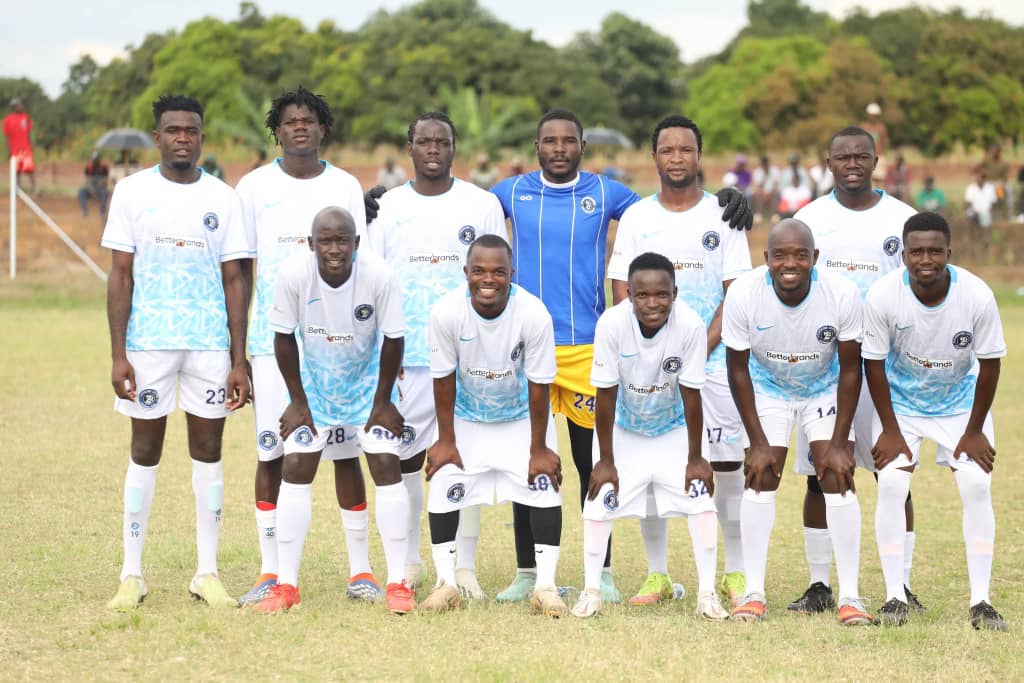
Kwekwe United have taken a potentially significant step towards reshaping their financial future after officially announcing the establishment of a Commercial Department, signalling the club's intention to move beyond traditional football administration and embrace a more structured, business-oriented approach to running a football institution.
In a statement released on Thursday, November 19, the club said the initiative formed part of its broader efforts to strengthen commercial operations, attract corporate investment, establish strategic partnerships and create sustainable revenue streams.
"Kwekwe United Football Club has officially launched its Commercial Department as part of its efforts to strengthen the club's commercial operations, enhance corporate partnerships, attract investment and establish sustainable revenue streams," read part of the statement.
The development is particularly significant given the financial realities confronting football clubs in Zimbabwe, where sporting ambitions have often outpaced the financial structures required to sustain professional football.
For Kwekwe United, however, the announcement could represent more than an administrative restructuring. It could be an important attempt to address one of the biggest threats to the club's long-term existence: financial instability.
Running a football club in Zimbabwe is an expensive undertaking, and the economics of the local game make survival particularly difficult for clubs without strong corporate backing.
Unlike some of the world's established football leagues, where clubs generate substantial income through broadcasting rights, commercial merchandising, ticket sales and international partnerships, Zimbabwean clubs operate in a relatively restricted commercial environment.
Match-day revenue, for instance, is not always the financial lifeline many supporters imagine. Clubs must meet stadium rental costs, security expenses, medical service costs, match officials' fees and various football administration levies before benefiting from whatever remains from gate collections.
A 2023 analysis published by The Sunday Mail highlighted the difficulties Zimbabwean clubs face in generating meaningful income from ticket sales, merchandising and player transfers. It described running a football club in Zimbabwe as an "extreme sport", arguing that individual investors often carry an unsustainable financial burden.
The establishment of the Commercial Department suggests that Kwekwe United recognise that football operations cannot be separated from sound business management. Signing players, hiring coaches and competing for league honours are only part of the equation. Clubs must also build the financial structures needed to meet their obligations consistently.
Kwekwe United have previously experienced the consequences of financial instability.
In 2025, the club found itself at the centre of a financial controversy after failing to fulfil a Premier Soccer League fixture against Herentals FC. Players had reportedly gone on strike over unpaid salaries and bonuses.
At the time, former club president and founder Phil Makekera revealed that the club required approximately US$35,000 to US$40,000 monthly to operate in the Premier Soccer League.
"We need about US$40,000 per month for the smooth running of the club," he said, highlighting the financial demands of running the team.
The incident exposed the enormous financial demands of football management and the risks associated with relying heavily on individual financial contributions.

About Witness Runodada - Reporter
Staff Writer