
Milk Output Up 6%
Zimbabwe’s milk production rose by six percent in 2025 to 121.84 million litres, up from 114.69 million litres in 2024, extending a slow recovery in the dairy sector but leaving output well below bo...
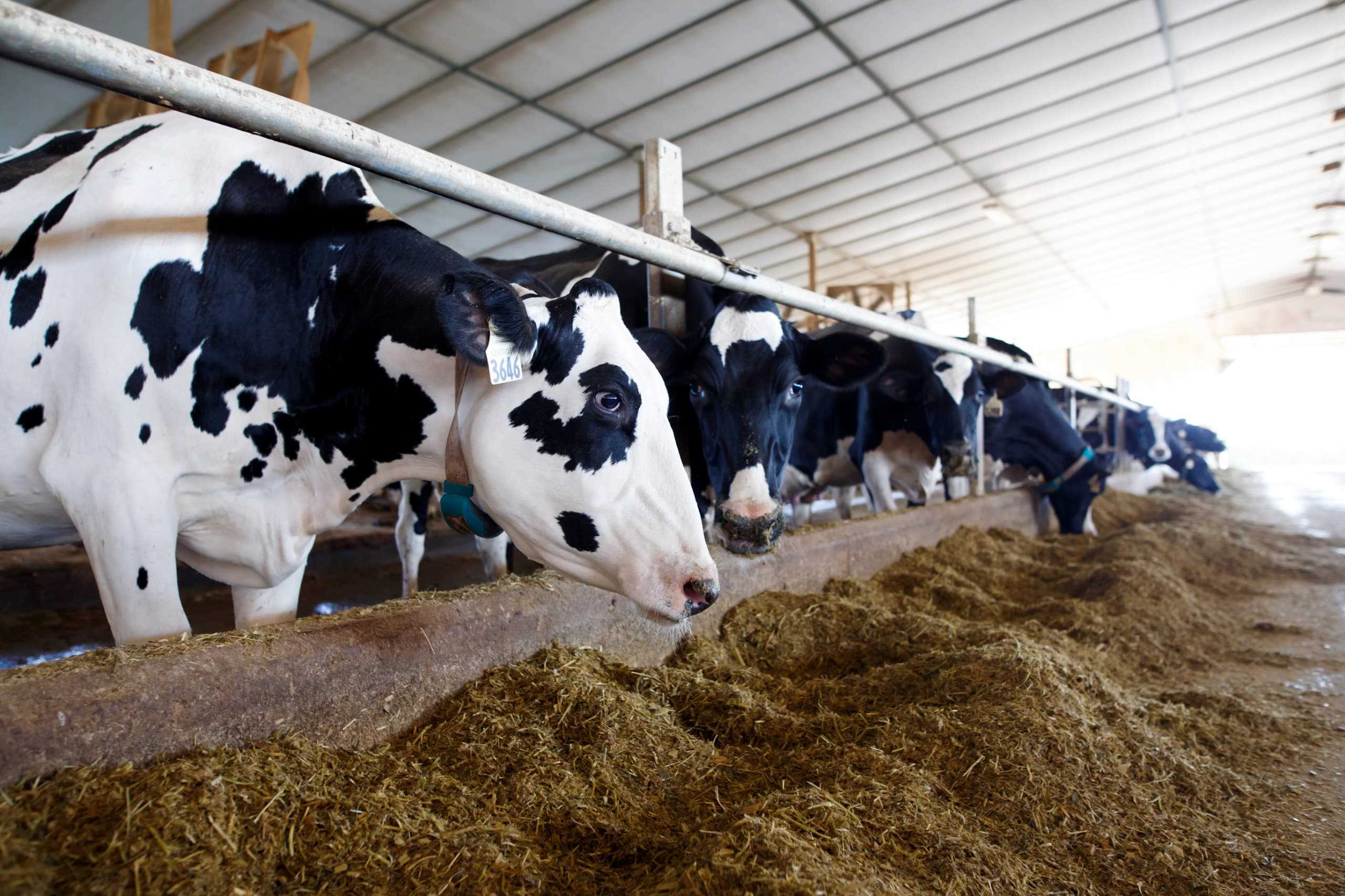
Zimbabwe’s milk production rose by six percent in 2025 to 121.84 million litres, up from 114.69 million litres in 2024, extending a slow recovery in the dairy sector but leaving output well below both government projections and historical production levels.
Treasury had projected output of 137 million litres for 2025, meaning actual production fell short by more than 15 million litres. The gap highlights persistent structural constraints in the sector despite incremental gains.
The increase follows production of 106.98 million litres in 2023, indicating that national milk output has grown by nearly 15 million litres over the past two years, representing a cumulative increase of about 14 percent.
While the upward trend points to gradual stabilisation, production remains insufficient to meet domestic demand.
At its peak in the early 1990s, Zimbabwe produced more than 260 million litres of milk annually. Current output therefore stands at less than half of historic capacity, despite more than a decade of recovery efforts.
Official sector data attribute recent growth to herd rebuilding, improved feed availability, and increased participation by small- and medium-scale producers, particularly around established milk collection centres.
However, productivity remains uneven, and the gains have not been strong enough to close the widening gap between supply and demand.
The dairy industry continues to face high feed and input costs, electricity shortages affecting milking and refrigeration, limited access to long-term financing, and climate-related production risks, all of which constrain expansion and efficiency.
Zimbabwe’s annual milk demand is estimated at over 180 million litres, leaving the country structurally dependent on imports of powdered milk and other dairy products to cover the shortfall.
The persistence of this gap underscores the limits of recovery driven largely by herd expansion without parallel investment in feed production, cold-chain infrastructure, energy reliability, and affordable financing.

About Oscar Jeke
Reporter