
Sugar Tax Puts Local Beverage Manufacturers Under Pressure
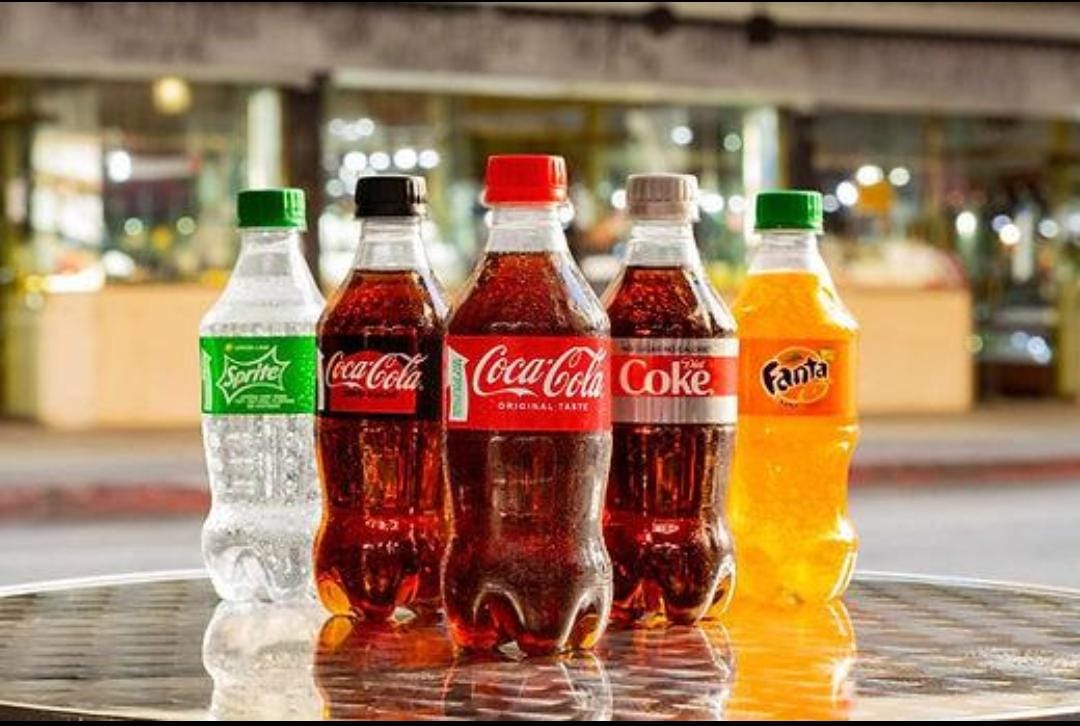
Zimbabwe’s sugar content tax is facing renewed calls for review, with Delta Corporation and industry representatives warning that the levy is placing local beverage manufacturers at a competitive disadvantage against cheaper imports.
In its interim financial results for the six months ended September 30, 2026, Delta said the tax had contributed to an increase in grey imports from regional markets, placing locally manufactured soft drinks at a significant price disadvantage compared to both formal and informal imports.
The company also reported a shift in consumer preferences from 440ml to more affordable 350ml PET packs. Although unit sales remained stable, the change reduced aggregate volumes, while sales of sparkling beverages declined by two per cent during the period.
The Confederation of Zimbabwe Industries (CZI) has also called for a review of the tax, arguing that its effects extend beyond beverage producers to the wider sugar industry.
“The sugar content tax is having unintended consequences not only for the beverages industry, but also for the broader sugar industry value chain,” CZI chief economist Cornelius Dube told Parliament’s Portfolio Committee on Industry and Commerce in October.
Dube said the levy had encouraged manufacturers to substitute locally produced sugar with artificial sweeteners, while grey-market beverage imports had increased by 10 per cent, creating unfair competition for compliant businesses.
CZI has proposed introducing a tax-free threshold of four grammes of sugar per 100 millilitres, similar to arrangements in South Africa and Botswana, with the levy applying only to sugar content above that threshold.
However, the Government introduced the tax in 2024 to discourage excessive sugar consumption and raise funds for cancer treatment equipment. It has collected nearly US$100 million through the levy, helping to procure four cancer treatment machines for public hospitals.
Finance Minister Professor Mthuli Ncube said Treasury would assess proposals to align the tax with regional practices before making recommendations to Parliament.
The debate now centres on balancing public health objectives and revenue collection with the competitiveness of local manufacturers and the sustainability of the domestic sugar value chain.

About Patience Muchemwa
Senior Reporter