
Tobacco Seed Sales Fall 36% as Grower Viability Comes Under Pressure
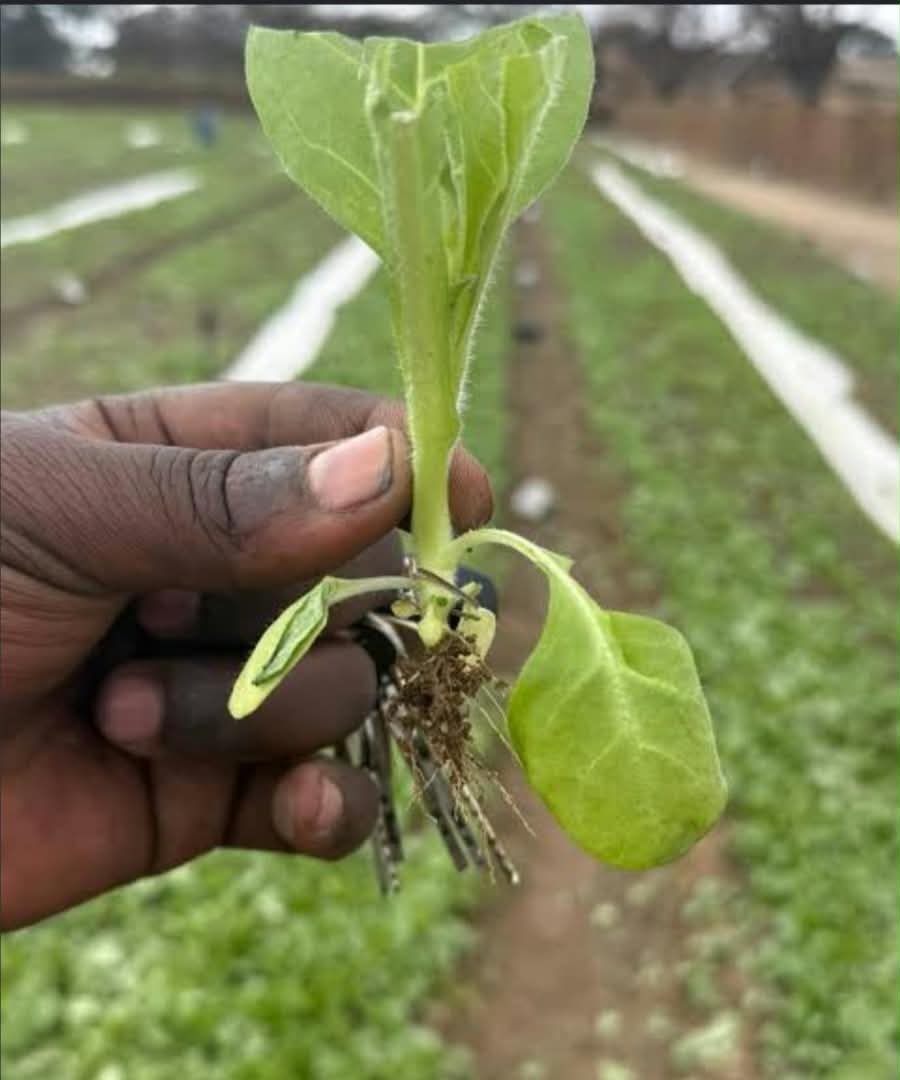
Zimbabwe's tobacco industry is facing fresh questions over the sustainability of its production growth after seed sales for the 2026/27 cropping season fell by 36 percent, pointing to a potentially smaller crop amid declining grower returns and uncertainty over the coming agricultural season.
Figures from the Tobacco Industry and Marketing Board (TIMB), as at October 30, show that tobacco seed sales had declined to 926,330 grammes, from 1,443,595 grammes during the corresponding period last season.
The reduction translates into a decline in the estimated planting area supported by seed sales, from 288,719 hectares to 185,266 hectares, also representing a 36 percent contraction.
The figures raise concerns about the industry's ability to sustain the production expansion recorded over recent years, particularly as farmers contend with weaker tobacco prices, financing constraints and uncertainty surrounding rainfall patterns.
The decline in seed sales comes against the backdrop of a challenging 2026 marketing season, during which Zimbabwe marketed a record tobacco crop but growers received considerably lower prices than in the previous season.
TIMB figures presented by chief executive Emmanuel Matsvaire at the Future Nicotine Forum during World Tobacco Middle East 2026 in Dubai show that Zimbabwe sold approximately 359.27 million kilogrammes of tobacco at an overall average price of US$2.49 per kilogramme.
Although the marketed volume was higher than the approximately 354.86 million kilogrammes recorded during the corresponding period in 2025, the average price declined by about 25 percent, from US$3.32 per kilogramme.
The difference between production growth and farmer earnings is particularly significant because higher output has not translated into proportionately better returns for growers.
Contract tobacco fetched an average of US$2.55 per kilogramme, compared with US$1.90 on the auction floors, highlighting the considerable pricing differences between the two marketing channels.
The weaker prices have raised questions about grower viability, with the Tobacco Research Board (Kutsaga) attributing the reduction in seed demand partly to financial pressures facing farmers and reduced contracting by merchants.
"There are viability challenges among farmers due to lower tobacco prices during the 2025 marketing season, coupled with reduced contracting by tobacco merchants in anticipation of an El Niño-induced drought during the 2026/27 season," Kutsaga said.
The concerns point to a combination of economic and climatic factors influencing planting decisions, with farmers potentially becoming more cautious about committing resources to a crop whose profitability depends on production costs, market prices and access to reliable financing.
Reduced contracting is also significant because contract arrangements provide growers with access to inputs, technical support and financing, which are important in sustaining production, particularly among smallholder farmers who may struggle to fund the entire production cycle independently.
However, falling seed sales do not necessarily translate into an immediate contraction in actual planting activity.
Agricultural Development Advisory Services figures indicate that 22,918 hectares had been planted by October 30, compared with 17,864 hectares during the corresponding period last season, representing a 28.27 percent increase.
Similarly, TIMB reported that 81,797 tobacco growers had registered by October 15, compared with 74,082 during the same period last year, an increase of approximately 10 percent.
The contrasting indicators suggest that although seed purchases have declined, planting activity and grower registrations have maintained momentum at the beginning of the season.
Nevertheless, the estimated area equivalent to seed sales remains an important indicator of potential production capacity, although actual hectarage and eventual output will depend on transplanting, weather conditions, input availability and crop management.
These developments come as Matsvaire presents Zimbabwe's tobacco production and export outlook to international buyers, traders, processors and investors at the Dubai forum.
His presentation, titled "Southern Africa Tobacco Outlook: Why Zimbabwe Remains the Region's Supply Chain Anchor", examined the country's production and export prospects, grower viability, sustainability and investment opportunities.
The presentation sought to position Zimbabwe as a strategic source of quality tobacco leaf and an important participant in the future of global tobacco trade.
As Africa's largest tobacco producer, Zimbabwe has built an established production and marketing infrastructure, supported by a diverse grower base and international market relationships.
The country has also been pursuing an ambitious production expansion strategy under its Tobacco Value Chain Transformation Plan, which seeks to increase annual output to 500 million kilogrammes by 2030 while strengthening local processing and value addition.
However, the latest seed sales figures raise an important question about whether production expansion can be sustained without improving the economic returns available to farmers.
The industry's challenge is not simply to increase the volume of tobacco produced, but also to ensure that growers remain financially capable of investing in successive seasons.
A sustained decline in farmer profitability could affect input purchases, investment in irrigation, crop management and growers' ability to expand production, potentially undermining longer-term output targets.
Climate uncertainty adds another layer of risk, particularly for dryland farmers whose production depends heavily on the timing and distribution of rainfall.

About Oscar Jeke - Reporter
Staff Writer