
Zim, Equatorial Guinea in Wildlife Partnership
Rutendo Mazhindu- ZimNow ReporterZimbabwe has partnered with Equatorial Guinea in a wildlife relocation program aimed at restoring biodiversity and boosting eco-tourism.The initiative involves translo...
Rutendo Mazhindu- ZimNow Reporter
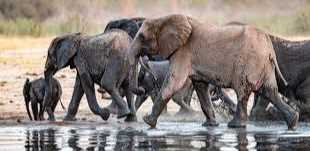
Zimbabwe has partnered with Equatorial Guinea in a wildlife relocation program aimed at restoring biodiversity and boosting eco-tourism.
The initiative involves translocating wildlife species to Equatorial Guinea’s protected areas to revive ecosystems and support conservation efforts.
The Zimbabwe Parks and Wildlife Management Authority confirmed the development, saying the project reinforces regional conservation partnerships.
“Zimbabwe is proud to share its wildlife expertise and resources with Equatorial Guinea and other African countries. This translocation reflects our dedication to global biodiversity conservation and sustainable practices that benefit both nature and communities,” said ZimParks.
The wildlife relocation follows concerns over habitat loss and declining animal populations in Equatorial Guinea. Authorities believe the reintroduced species will help restore ecological balance and promote tourism.
ZimParks said the project aligns with broader continental conservation goals.
“This project sets a precedent for continental conservation partnerships, with plans for additional collaborations aimed at species recovery, habitat protection, and community engagement. The two countries recognize the role of such initiatives in achieving global biodiversity targets under the Convention on Biological Diversity.”
The initiative is expected to enhance eco-tourism opportunities and generate economic benefits for local communities.
“This landmark initiative underscores both nations’ commitment not only to wildlife conservation and sustainable ecosystem management but also to engagement in collaborative natural resource management and research,” added ZimParks.
ZimParks expects the translocated species to adapt to their new environment, with long-term benefits anticipated for conservation, tourism, and local livelihoods.

About Audrey Galawu
Assistant Editor