
Zim eyes increased croc skin production for export market
Zim Now WriterZimbabwe’s crocodile farming industry is positioning itself for further growth as authorities and producers target increased skin production for lucrative export markets in Europe, Asia,...
Zim Now Writer
Zimbabwe’s crocodile farming industry is positioning itself for further growth as authorities and producers target increased skin production for lucrative export markets in Europe, Asia, and beyond.
The sector, which is already a major foreign currency earner, saw exports of high-quality skins surge by 56 percent in 2023, from US$22 million to US$34 million — while creating about 1,600 direct jobs.
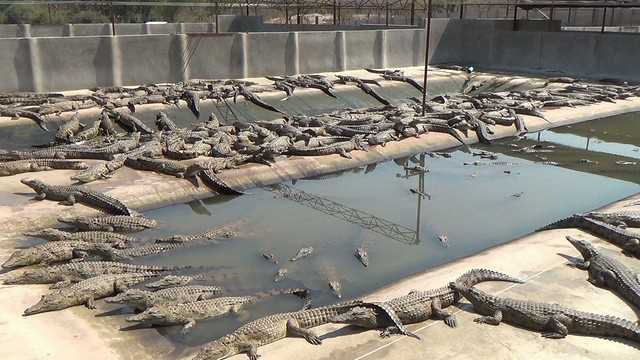
Directorate of Veterinary Services chief director, Dr. Pious Makaya, said during a tour of Binga Crocodile Farm that efforts were underway to boost output and expand into new markets, including Kariba.
Binga Crocodile Farm’s company veterinarian, Dr. Noble Sakuringwa, said the facility maintains more than 600 breeding crocodiles, with skins as the flagship export product and meat sold locally, particularly in Victoria Falls. He noted that while the farm had previously exported meat to Belgium, reduced capacity had made container shipments unviable.
“The major product in crocodile farming is the skin; meat is just a by-product,” Dr. Sakuringwa said, adding that the farm is the largest employer in Binga District, sustaining livelihoods and driving the local economy.
Dr. Makaya said crocodile farming is now recognised among Zimbabwe’s emerging export industries, alongside aquaculture and edible insects. He emphasised the Directorate’s role in ensuring that crocodile skins, meat, and fillets meet international safety standards to maintain access to global markets.
“The crocodile industry is a significant contributor to Zimbabwe’s foreign exchange earnings, generating jobs and stimulating economic growth,” he said.
Zimbabwe remains one of the world’s largest exporters of Nile crocodile products, commanding around 45 percent of the global Niloticus skin market and is managed through regulated harvesting and trade, with oversight from the Zimbabwean National Parks and Wildlife Management Authority and the Crocodile Farmers' Association of Zimbabwe.

About Philemon Jambaya
Editor