Zim Faces Double Power Squeeze as Hwange, Kariba Come Under Pressure
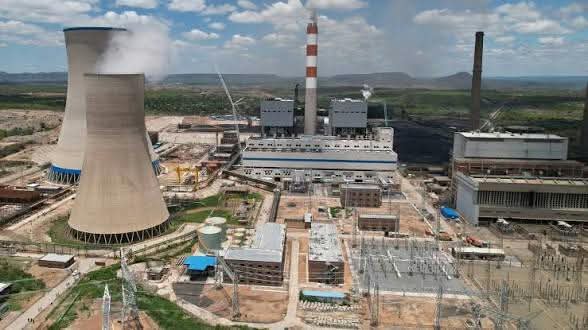
Zimbabwe faces a potentially difficult electricity supply period as the shutdown of Hwange Power Station's Units 7 and 8 for scheduled maintenance coincides with a projected decline in generation at Kariba following a 36 percent reduction in water allocation for power production in 2027.
The two developments threaten to narrow the country's domestic electricity supply options, increasing reliance on imports and private power producers to meet demand.
ZESA Private Limited began scheduled maintenance on Hwange Units 7 and 8 on November 15, with Unit 7 expected to return to service on January 4, 2027, and Unit 8 on January 26.
The two units have a combined installed capacity of 600 megawatts, making their temporary withdrawal a significant setback for domestic electricity generation.
The impact is already reflected in national generation figures, which reportedly fell by 546MW, from 1,399MW to 853MW following the shutdown, according to Green Building Africa.
The situation is compounded by declining water levels at Kariba and a reduction in the water allocated for electricity generation next year.
The Zambezi River Authority (ZRA) has reduced the combined water allocation for power generation at Kariba from 36 billion cubic metres in 2026 to 23 billion cubic metres in 2027, representing a 36 percent cut. The authority attributed the reduction to forecasts of below-normal rainfall associated with anticipated El Niño conditions.
ZESA senior manager for electricity trading and operations, Engineer John Diya, said the reduction was expected to affect Zimbabwe's average generation at Kariba, which is projected to fall from 530MW this year to approximately 300MW next year.
"At Kariba Power Station, we rely on the allocation we get from the Zambezi River Authority. This year, we were generating an average of 530MW from an allocation of 18 billion cubic metres," Diya said.
The reduced allocation means Kariba will have less water available for power generation, limiting its capacity to compensate for interruptions at Hwange.
ZRA figures show that Lake Kariba's usable water storage stood at 31.67 percent on November 10, 2026, compared with 8.09 percent during the corresponding period last year. Although the reservoir is currently in recession, the latest figures show that storage is higher than it was during the same period in 2025.
To cushion the expected shortfall, ZESA is seeking to secure 235MW from independent power producer Zhongjin Heli Energy, whose electricity was initially earmarked for export to Zambia.
The company has commissioned a 100MW power plant and is working on a second 135MW facility, but an agreement guaranteeing payment in United States dollars remains outstanding.
"We need then an arrangement where we can guarantee paying in US dollars for us to ensure that 235MW comes to the utility," Diya said.
ZESA is also exploring ways to increase electricity imports through the Southern African Power Pool while reducing exports to ensure that more locally generated electricity remains available for domestic consumers.
The utility has additionally identified increased generation at Kariba during peak periods, additional independent power producers and solar plants being connected to the national grid as measures to support electricity supply during the Hwange maintenance programme.
However, the combination of reduced Hwange availability and lower projected Kariba output raises questions about how effectively these interventions can shield consumers from potential supply disruptions.
ZESA is banking on typically lower electricity demand during the maintenance period to ease pressure on the national grid, while encouraging consumers to use electricity efficiently.
The return of Hwange's two units in January will restore some of the lost generation capacity. However, Kariba's reduced water allocation means the electricity supply challenge is likely to extend beyond the current maintenance programme and into 2027.

About Oscar Jeke - Reporter
Staff Writer