







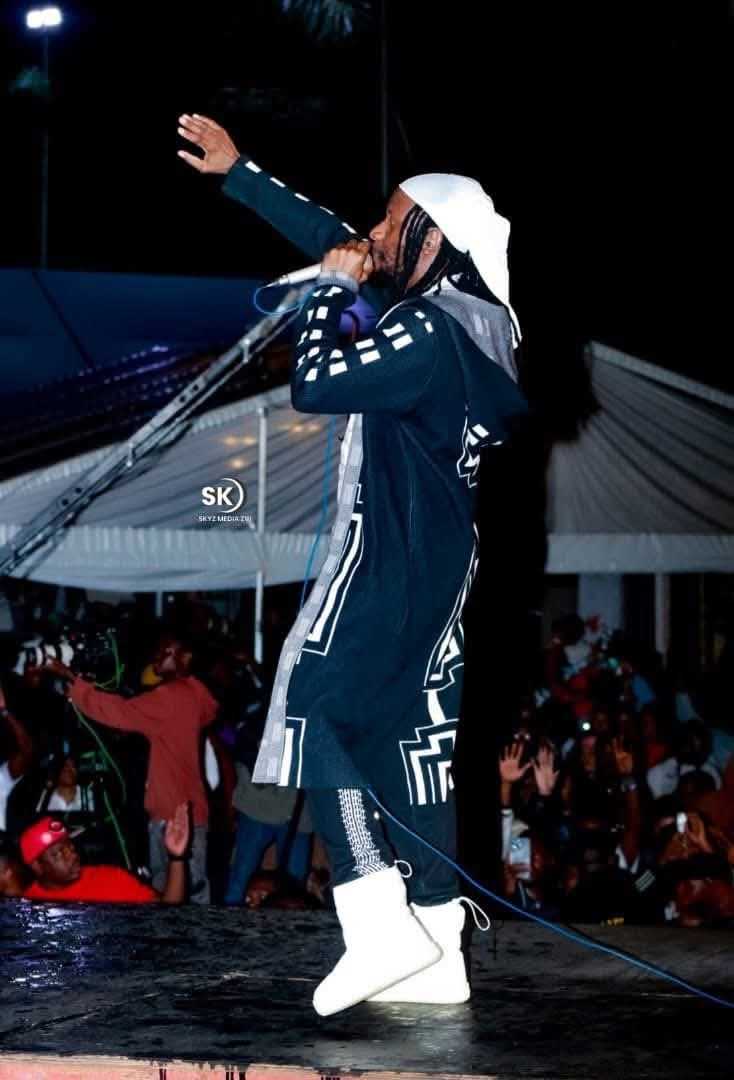
Zimbabwe’s 2025 cultural calendar ended on a powerful note, with a series of music, arts and faith-based festivals reinforcing shared values, identity and community at a time when the country sought reflection as much as celebration.
Across Harare, Bulawayo and Kadoma, festivals became spaces where culture was not only performed but lived. From jazz and urban arts to gospel gatherings and contemporary music showcases, organisers deliberately positioned events as platforms for preserving norms, transmitting heritage and connecting generations.
The Jacaranda Music Festival, scheduled for 3–5 October 2025 at Thorn Park Polo Grounds in Harare, stood out as one of the most comprehensive celebrations. Festival director Walter Wanyanya said the focus remained on building the industry, not just entertaining crowds.
“This year’s festival featured three full days of music, but more importantly, we continued with our tradition of hosting workshops before the performances,” he said.
Wanyanya said the workshops were aimed at strengthening local talent and sustaining Zimbabwean music beyond the stage.
“These sessions are key in equipping our local artists with business knowledge, industry linkages, and insights from international players,” he said.
He added that the festival had attracted global attention.
“People from record labels and music business professionals will be coming to support artists in their growth. It’s about building a stronger creative economy and empowering talent with tools to navigate the global music landscape,” he said.
Urban culture maintained its strong footprint through long-running platforms such as Shoko Festival, which continued its legacy as Zimbabwe’s longest-running urban culture festival. Its most recent edition ran from 26–28 September in Harare and Chitungwiza under the theme “Both Sides of Samora,” reflecting on history, identity and contemporary expression.
HIFA also remained a cultural pillar, consistently referenced as a flagship national arts festival blending music, theatre, dance, visual arts and poetry.
Music diversity was further highlighted by the Zimbabwe Jazz Festival, which returned with shows in Bulawayo at Alliance Française on 12 September before moving to Harare on 13 September, while the NetOne 263 Culture Festival on 18 October and the Kadoma Music Festival on 11 October expanded cultural celebration beyond the capital.
Speaking on the deeper meaning behind festivals, Zimfest spokesperson Tawanda Chiwira said cultural events were designed to create belonging.
“This event has never just been about the music, it’s about creating a space where Zimbabwean culture can be experienced at different levels,” he said.
Related Stories
He said youth participation was particularly encouraging. “What really stood out this year was the energy from the younger generation. Seeing them take ownership of the experience, that’s what it’s all about. We want Zimfest to feel like home, like something you’re proud to be part of,” he said.
Organisers said public response confirmed the relevance of culture-driven gatherings.
“Over 12,000 people gathered to celebrate our culture, our cuisine, our music, and most importantly, each other. That number alone speaks volumes about the love and pride we carry for our roots,” they said, while also praising the teams behind the scenes.
“A massive shout-out goes to the organising team maita basa! Pulling off an event of this scale is no small feat, and you did it with heart,” they said.
Beyond entertainment, festivals also became platforms for reflection. At Ideas Festival 2025, speakers challenged citizens to re-examine values and leadership.
“Zimbabwe will only change when you change,” the founder said, while another speaker warned against materialism.
“There’s a certain model of leadership that is beginning to compete with people who are purpose-driven… It is a shell without a soul,” the speaker said.
Faith-based gatherings also played a role in shaping the year’s cultural close.
The Love Zimbabwe Festival, held from 26–28 September 2025 at Zimbabwe Grounds, was promoted as a space for spiritual renewal.
Organisers said the wider programme ran throughout late September.
“Most events took place from 22–26 September 2025, with the main festival happening from the 26th to the 28th of September here in Harare,” they said.
As the year drew to a close, Zimbabwe’s festivals collectively told a story of resilience, pride and continuity.
They celebrated music, language, belief systems and social values, offering not just entertainment but moments of connection closing the year by affirming culture as a living foundation of national identity.





Leave Comments