






Breathalyser tests are set to become a permanent feature of everyday commuting in Zimbabwe, ending years in which alcohol testing was largely associated with Easter, Christmas and other festive season police blitzes.
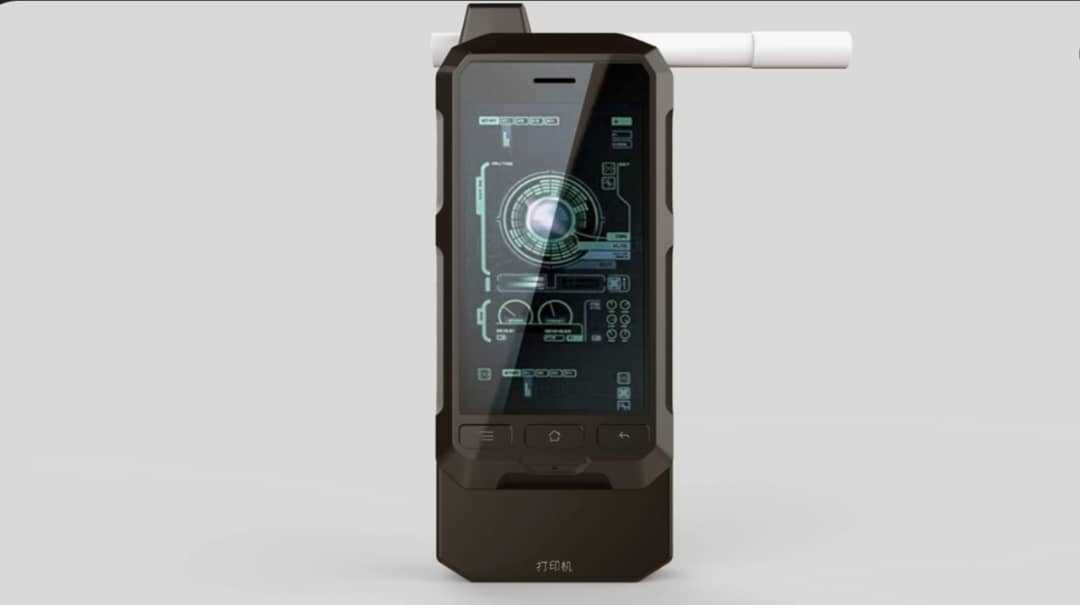
President Emmerson Mnangagwa has formally approved two breathalyser devices for use by traffic police under Statutory Instrument 7 of 2026, a move authorities say will strengthen the fight against drink-driving and reduce road traffic accidents driven largely by human error.
The directive authorises the use of only the ST FIT-333Gi, manufactured by Hong Kong-based AAT Limited, and the AT9000, produced by China’s Hanwei Electronics Group Corporation. Issued in terms of Section 76(9) of the Road Traffic Act, the notice repeals the Road Traffic Act (Use of Breathalysers) Regulations, 2025 (Statutory Instrument 193 of 2025), which did not clearly specify approved equipment.
By standardising legally recognised devices, the government has paved the way for routine roadside testing and the admissibility of breathalyser results in court — a shift that marks the end of breathalysers being rolled out mainly during peak travel periods.
In the past, Zimbabwe Republic Police traffic operations using breathalysers were most visible during high-risk periods such as Easter and the festive season, when alcohol consumption and long-distance travel increase. Outside these periods, enforcement was limited, with officers often relying on observation rather than scientific testing to deal with suspected drunk drivers.
Related Stories
The new regulations signal a move towards year-round, random breath testing, aligning Zimbabwe with international road safety practices where alcohol checks are part of daily policing rather than seasonal campaigns. Police have long argued that inconsistent enforcement weakened deterrence, as motorists adjusted their behaviour only when they anticipated roadblocks during holidays.
The policy shift comes against the backdrop of persistently high road accident figures. Zimbabwe records tens of thousands of road traffic accidents each year, with more than 2 000 people killed annually. During the 2024 festive season alone, police recorded a sharp spike in crashes, with accidents nearly doubling compared to the same period the previous year and fatalities running into triple digits within days.
According to traffic authorities, human error accounts for about 90 percent of road accidents, with drunk driving, speeding and reckless overtaking consistently cited as leading causes. Alcohol consumption, in particular, features prominently in fatal night-time and weekend crashes.
Between January and June 2025, police recorded over 28 000 accidents, including hundreds of fatal crashes, underscoring the scale of the problem beyond festive seasons. Road traffic injuries run into the thousands every year, while the economic cost of accidents is estimated at hundreds of millions of US dollars, placing pressure on the health system and the wider economy.
Authorities believe that making breathalysers part of everyday commuting could significantly reduce alcohol-related crashes by increasing the likelihood of detection and prosecution.
Drivers will no longer assume they can drink and drive safely outside Easter or Christmas, police say, arguing that the certainty of enforcement is a key deterrent.
By clearly defining approved devices, the government has also sought to eliminate legal challenges that previously arose when breathalyser results were contested in court due to questions over equipment standards.








Leave Comments