









Strengthening disease surveillance systems has been identified as a critical pillar in protecting livestock, safeguarding communities and preserving economic stability amid ongoing public health risks posed by rabies.
Permanent Secretary in the Ministry of Lands, Agriculture, Fisheries, Water and Rural Development, Obert Jiri, warned that the disease remains a preventable but deadly threat if not properly monitored and controlled.
“Rabies is a fatal but preventable disease. Strong surveillance systems enable early detection, protect livestock and reduce risks to communities, safeguarding both public health and economic stability,” Jiri said, linking animal health monitoring to broader food security and economic resilience.
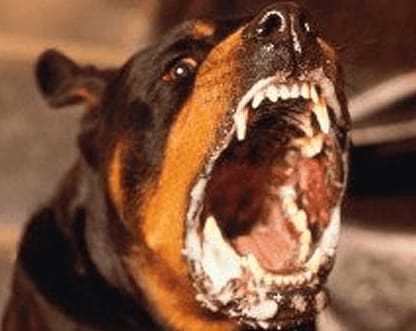
Recent data from the Ministry of Health and Child Care show that dog bite incidents—the main pathway for rabies transmission—remain high. By mid-October 2025, the country had recorded more than 21,700 dog bite cases, with the majority involving dogs of unknown vaccination status, raising concerns about rabies exposure.
Related Stories
Midlands, Mashonaland West and Masvingo provinces reported the highest numbers nationwide.
Official ministry surveillance reports further indicate that more than 24,200 dog bite cases were recorded cumulatively across Zimbabwe in 2025, with three fatalities linked to animal attacks, underscoring the persistent threat posed by rabies.
Longer-term trends show a steady increase in dog bite incidents over recent years. Tens of thousands of cases were reported between 2022 and mid-2025, alongside multiple rabies-related deaths. In 2024 alone, Zimbabwe recorded 30,363 dog bite cases and nine deaths.
Rabies is almost always fatal once symptoms appear but can be prevented through timely post-exposure prophylaxis and mass dog vaccination. Health experts warn that persistently high numbers of dog bites—particularly from dogs with unknown vaccination status—highlight gaps in vaccination coverage, responsible pet ownership and stray dog management.
Jiri’s remarks come amid growing emphasis on One Health strategies, which integrate human, animal and environmental health surveillance to detect, prevent and control zoonotic diseases such as rabies.










Leave Comments