







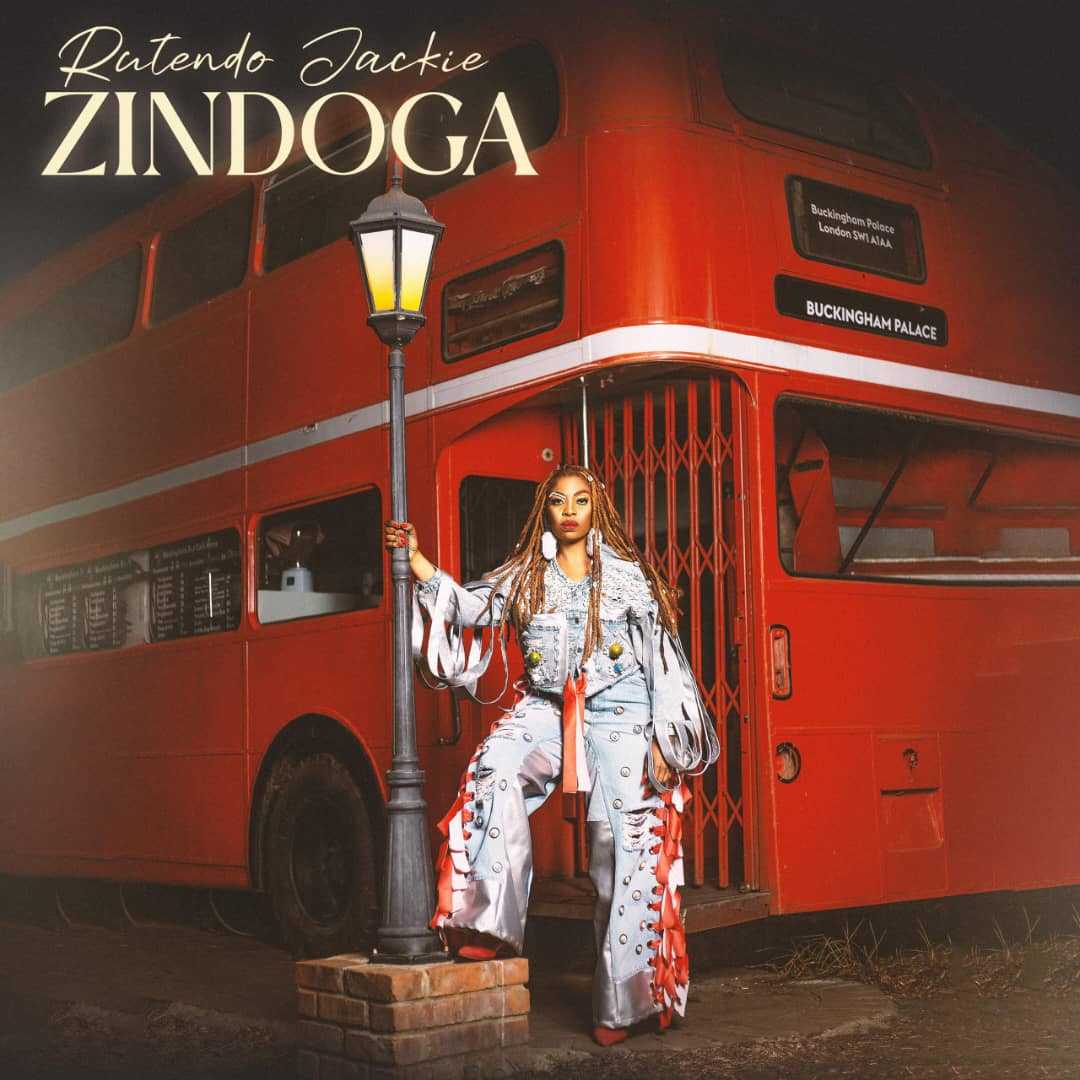
In an industry often driven by noise and fast fame, Rutendo Jackie has chosen stillness as her loudest statement.
With the release of her 13-track album Zindoga, the Afro-Fusion songstress is not merely adding another project to Zimbabwe’s growing streaming catalogue. She is crafting a personal manifesto anchored in culture, lineage and continental ambition.
Zindoga, which translates to “loner,” is less about isolation and more about refinement. It is a body of work born from patience, intention and artistic self-discovery, shaped over several years of quiet growth and creative introspection.
Years in the making, the album brings together seven collaborating artists, eight producers and a collective of live musicians, forming a textured Afro-Fusion tapestry rooted in traditional Zimbabwean and folk influences.
“This project represents years of intentional growth,” Rutendo Jackie said. “It is who I am culturally, spiritually and musically. Releasing it on my birthday feels like offering a piece of myself to the world.”
Her voice moves confidently across languages, from Shona-led storytelling to a Zulu collaboration with a South African artist and a Swahili feature alongside an East African collaborator. The multilingual approach signals an artist expanding beyond borders while holding tightly to home.
Related Stories
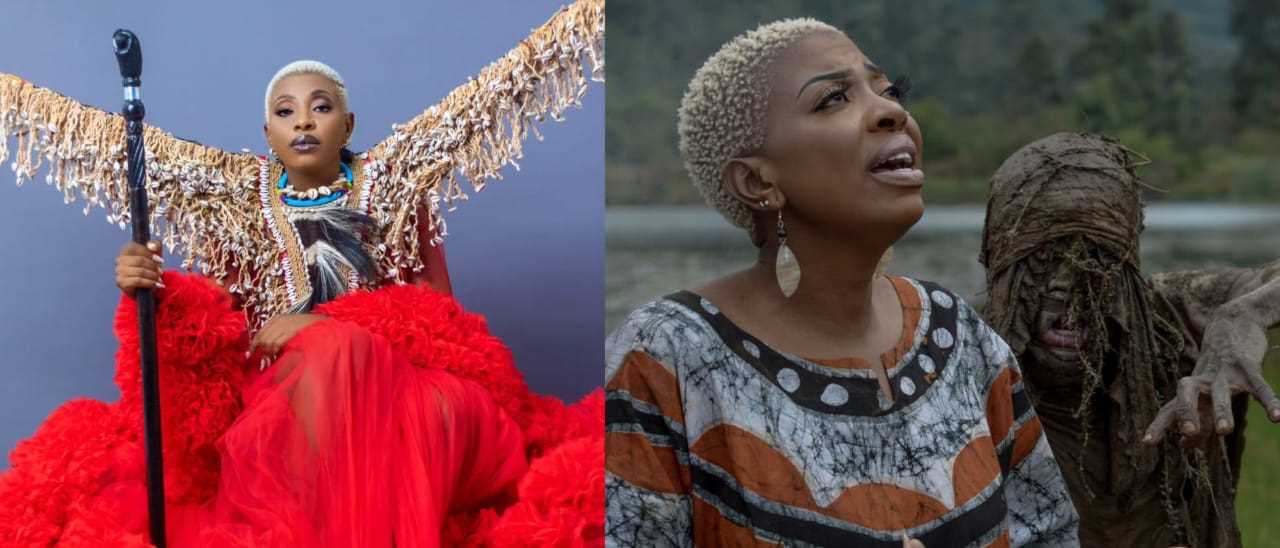
At the emotional centre of the album is a powerful act of remembrance. One of the songs is drawn from the performing catalogue of her late father, Peter Ngoreta, a respected Zimbabwean musician who never formally released the piece.
By recording and reintroducing the song to a new generation, Rutendo Jackie transforms legacy into living art, blending indigenous instrumentation, homestead ensembles and layered vocal arrangements with contemporary Afrobeat and Amapiano textures.
Her executive lead and talent manager, Diana Elisha Nheera, describes the project as more than an album, calling Zindoga “a defining artistic moment — a bold, culturally rooted Afro-Fusion body of work that signals an artist fully stepping into her inheritance.”
That inheritance echoes the preservationist spirit of cultural icons such as Stella Chiweshe, Chiwoniso Maraire and Busisiwe 'Busi' Ncube — women who safeguarded Zimbabwe’s indigenous sound while reshaping its global narrative.
Yet Rutendo Jackie is not replicating the past. She is reinterpreting it.
From intimate love ballads and inspirational anthems to shebeen-inspired grooves and layered Afro-Fusion soundscapes, Zindoga reflects an artist comfortable in both vulnerability and command. The album’s sonic architecture reveals discipline — an understanding that heritage, when handled with precision, becomes power.
At a time when Zimbabwean artists are increasingly seeking continental validation, Rutendo Jackie’s trajectory suggests a different strategy: build from the soil, then rise.
Zindoga may have been born from solitude, but its impact is unmistakably collective — and its reach is only beginning.









Leave Comments