







The Southern African Development Community is stepping up efforts to integrate the Democratic Republic of Congo into key regional trade and economic frameworks, with high-level engagement meetings scheduled in Kinshasa at the end of April.
The initiative, organised in collaboration with the German government through Deutsche Gesellschaft für Internationale Zusammenarbeit, reflects a broader push to deepen regional integration and unlock trade potential within the bloc.
The five-day engagement, running from April 27 to May 1, will focus on accelerating the DRC’s accession to core SADC protocols governing trade, transport, and services. As outlined in the statement, the meetings are intended to focus on “advancing the Democratic Republic of Congo’s accession to key SADC Protocols, reflecting the country’s ongoing progress, transition, and integration into the regional framework.”
These include the Protocol on Trade, the Protocol on Transport, Communication and Meteorology, and the Protocol on Trade in Services—frameworks that underpin the SADC Free Trade Area and broader regional economic coordination.
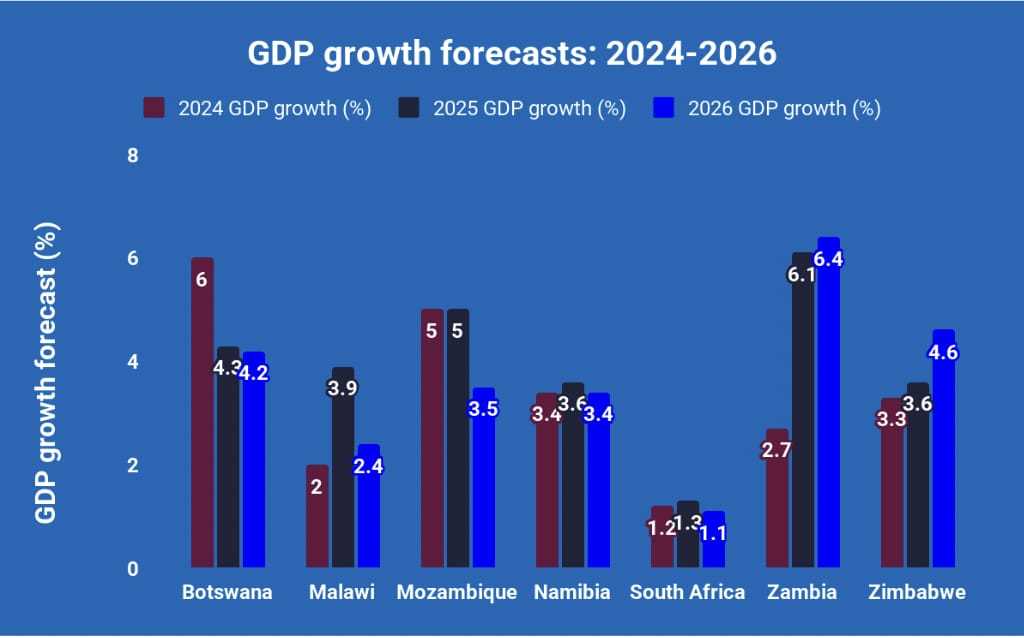
The DRC, one of Africa’s largest economies by landmass and resource base, represents a significant addition to regional trade flows. With a population exceeding 100 million and vast mineral reserves, its deeper integration into SADC could reshape trade dynamics, particularly for neighbouring countries such as Zimbabwe, Zambia, and South Africa that rely on cross-border supply chains and transit corridors.
Related Stories
Currently, intra-SADC trade remains relatively low at around 20–25 percent of total trade, compared to over 60 percent in the European Union, highlighting the bloc’s untapped potential. Improved alignment of the DRC with SADC protocols could help reduce non-tariff barriers, streamline customs procedures, and improve transport linkages, particularly along key corridors connecting Central and Southern Africa.
The meetings will also focus on aligning national legislation with regional requirements, a critical step in ensuring that accession translates into practical market access. The workshop, according to the statement, aims to “facilitate dialogue between policymakers, legislators, and the private sector,” underscoring the need for coordinated reforms across multiple levels of governance.
Beyond trade, the integration process has implications for infrastructure development and regional value chains.
The DRC’s participation in transport and services protocols could enhance connectivity across the region, potentially lowering logistics costs and improving market access for land-linked economies.
However, the pace and effectiveness of integration will depend on implementation. Structural challenges, including infrastructure deficits, regulatory inconsistencies, and political risk, could slow progress if not addressed through sustained policy coordination and investment.






Leave Comments