







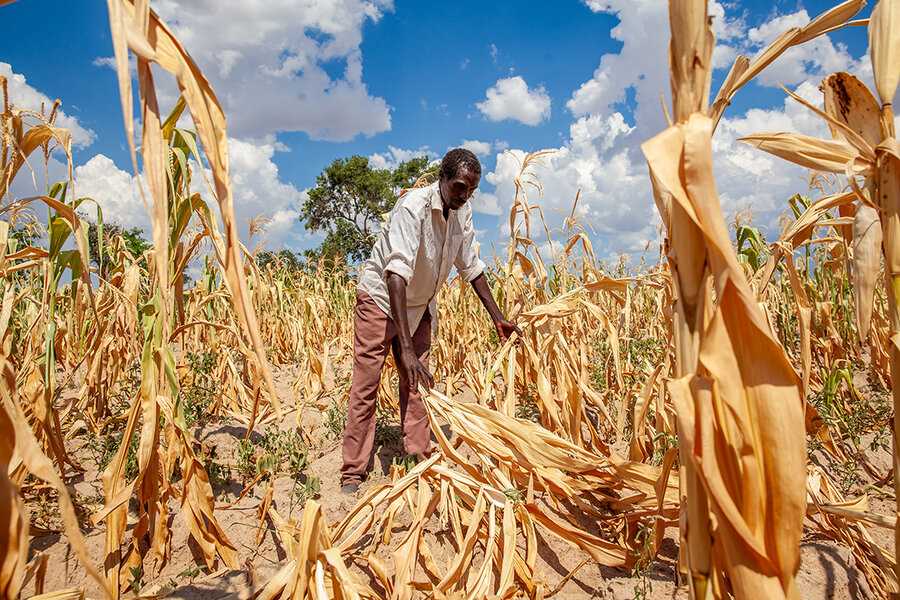
Zimbabwe is facing the growing possibility of another climate-induced agricultural shock after the Meteorological Services Department warned of a high probability that El Niño conditions could develop during the 2026/27 rainy season, potentially increasing the risk of below-normal rainfall and drought conditions across the country.
In a preliminary climate update, the department said global forecasting centres were indicating “a high probability, ranging from 88% to 94%, that an El Niño event will develop during the 2026/27 rainy season.” The warning immediately raises concern for a country whose agriculture, water security, and rural livelihoods remain heavily dependent on rainfall performance.
The MSD noted that historically, El Niño conditions in Zimbabwe carry “a 65% chance of below-normal rainfall, which can lead to drier-than-average conditions.” The projection revives memories of previous El Niño-linked droughts that severely disrupted crop production, reduced hydroelectric generation, and intensified food insecurity across southern Africa.
Although the department stressed that the outlook remains preliminary, the early warning is significant because Zimbabwe is still rebuilding agricultural stability after successive climate shocks over recent years. The economy’s dependence on rain-fed farming means even moderate rainfall disruptions can rapidly affect food supply chains, inflation, rural incomes, and electricity generation.
At the same time, the MSD attempted to temper panic by cautioning against premature conclusions. The department said forecasts made this early in the year face a “spring predictability barrier,” meaning atmospheric and oceanic conditions could still shift before the rainy season begins.
Related Stories
“Because of this inherent uncertainty, the MSD has not yet issued its official seasonal forecast and warns the public and stakeholders against making final agricultural or financial decisions based solely on these preliminary models,” the department said.
The agency added that a more definitive national outlook would be released in August 2026 following the Southern African Regional Climate Outlook Forum, where regional climate data and seasonal projections will be consolidated.
Despite the uncertainty, authorities are already urging early adaptation planning. The MSD recommended that farmers continue preparing for the season while “beginning to adopt climate-resilient practices, such as water conservation and the identification of drought-tolerant seed varieties.”
The warning highlights the increasing centrality of climate risk within Zimbabwe’s economic planning. Agriculture contributes significantly to employment, food security, agro-processing, and export earnings, meaning rainfall variability now carries direct macroeconomic consequences. Previous drought episodes linked to El Niño conditions have triggered grain import surges, livestock losses, and heightened pressure on Treasury to finance food support programmes.
The concern is amplified by the fact that climate volatility is now interacting with existing structural weaknesses in Zimbabwe’s agricultural sector, including soil degradation, limited irrigation coverage, high input costs, and weak rural financing systems. Even where dam levels currently remain strong following recent rains, prolonged below-normal rainfall could quickly erode those gains if water management systems are not strengthened.
The implications also extend beyond agriculture. Reduced rainfall often places additional strain on hydroelectric generation at Kariba, increasing electricity shortages and raising dependence on costly energy imports and diesel-powered backup systems across industry.







Leave Comments