









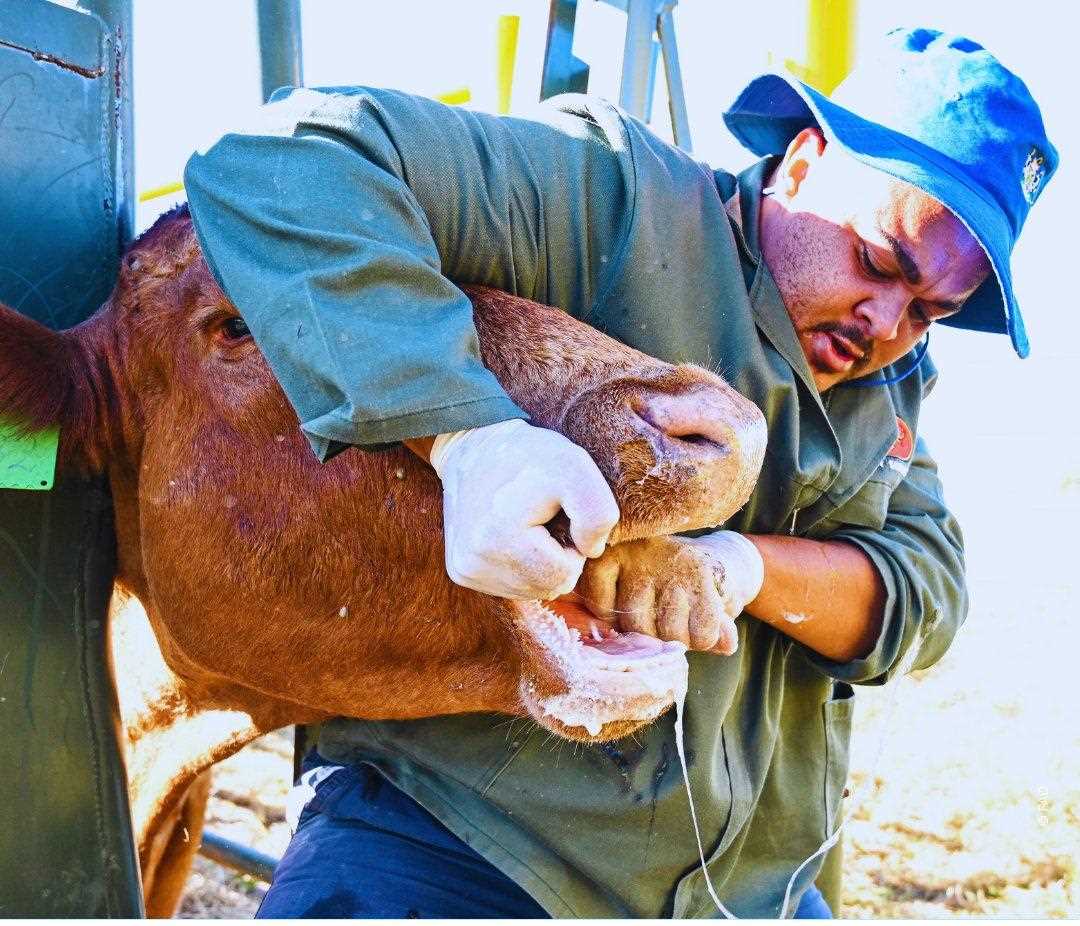
The Food and Agriculture Organization of the United Nations has called on Southern African countries to strengthen regional cooperation in the fight against Foot-and-Mouth Disease, warning that transboundary animal diseases cannot be effectively controlled through isolated national responses.
The call was made during the SADC Ministers of Agriculture Meeting in Victoria Falls, where regional leaders are discussing strategies to safeguard livestock production, food security and agricultural trade.
“FAO has urged SADC countries to strengthen regional solidarity in tackling Foot and Mouth Disease, highlighting that transboundary animal diseases require collective action, strong leadership, sustainable financing and national ownership to protect livestock, livelihoods and trade,” the organisation said.
Representing FAO at the ministerial meeting, Elma Zanamwe highlighted ongoing efforts to support member states in strengthening disease prevention and control systems.
“Representing FAO at the SADC Ministers of Agriculture Meeting in Victoria Falls, Dr Elma Zanamwe highlighted FAO's support to Member States tackling FMD.”
Foot-and-Mouth Disease remains one of the most economically damaging livestock diseases globally, affecting cattle, goats, sheep and pigs. Outbreaks often result in livestock movement restrictions, loss of export markets, reduced productivity and significant financial losses for farmers and national economies.
Related Stories
The disease remains a recurring challenge across Southern Africa, where livestock production plays a critical role in rural livelihoods, food security and agricultural exports.
FAO said its support is being channelled through the European Union-funded Strengthening Transboundary Animal Disease Systems for Regional Economic Communities in Africa Phase II programme.
“Through the EU-funded STOSAR II Project, FAO is supporting SADC countries to strengthen disease surveillance, early warning systems, preparedness and coordinated response for FMD to detect outbreaks earlier, reduce risks and safeguard livestock-dependent livelihoods.”
The emphasis on regional coordination reflects the reality that livestock diseases frequently cross national borders through animal movement, trade and wildlife interactions, making collective surveillance and response systems essential.
Zimbabwe has periodically battled Foot-and-Mouth Disease outbreaks, particularly in districts bordering wildlife areas and neighbouring countries. Such outbreaks have often disrupted livestock marketing and affected efforts to expand beef exports into regional and international markets.
Agricultural experts note that effective disease surveillance, vaccination programmes, movement controls and information sharing among countries are critical to reducing the economic impact of livestock diseases and protecting one of Southern Africa's most important agricultural sectors.








Leave Comments