








Thousands of motorists in Harare's Central Business District are still being forced to pay double the government-gazetted rate for parking, caught in the crossfire of a bureaucratic standoff between local council authorities and the central government.
Earlier this year, the government officially gazetted new parking tariffs under a new Statutory Instrument, slashing hourly CBD parking fees from US1toUS0.50 and dropping vehicle clamping charges from US60toUS20.
Months later, however, City Parking a subsidiary wholly owned by the City of Harare continues to enforce the old, expensive rates, leaving motorists confused and shortchanged.
For many local drivers, news of the price drop has not even filtered down to the streets.
Bulelani Muchina explained that he rarely drives into the city center out of fear of heavy-handed enforcement. "I didn't even know that the parking fees had changed because I don't come to town often due to fear of being clamped.
Whenever I come from Highfield, I pay one dollar for an hour or even less, not 50 cents. Nothing has changed since the announcement. We are still paying the same amount we have always paid," he said.
Another motorist, Tapiwa Makomo, expressed immense frustration at the lack of implementation. "Every time I park, I pay one dollar for an hour. I have never paid 50 cents," he noted, adding, "They should not just love announcing things without putting them into practice. Words should be acted upon, not just announced."
The financial burden of the current system is pushing some daily commuters to call for a complete digital overhaul of how transit fees are collected in the AI era.
Thomas Midzi, a frequent CBD commuter, stated: "I always park in town, sometimes several times a week, but we are still paying one dollar. My impression was that the dollar would at least cover two hours, but we are still paying one dollar for one hour. There has been no communication at all about the changes. It is actually my first time hearing about them."
Midzi, who consciously avoids getting clamped by overpaying for short stays, added: "I would rather pay one dollar than pay US$60 or more in clamping charges. We cannot even call that a relief because if I only want to park for 15 minutes, I still have to pay for the whole hour and lose the remaining 45 minutes As motorists, we want the government and the council to scrap parking fees.
There should be a single payment system where parking fees are included with vehicle licence, insurance, and radio licence so that people do not waste each other's time.
We are now living in the AI era. There should not be unnecessary bureaucracy. Authorities should simply create one system where we pay parking fees together with insurance and vehicle licences."
Wyne Chirwa shared similar concerns regarding the aggressive clamping penalties. "I have never heard of any changes or announcements about parking fees. I still pay one dollar per hour. I park outside town because I do not want to be clamped and end up paying as much as US$250.
There is no change so far because we are still paying one dollar for one hour, whether we use swipe, cash, or EcoCash."
The Policy Debate: Relief vs. Congestion
Related Stories
While drivers eagerly await financial relief, civic organizations are split on whether cutting parking fees in half is actually a good idea for the city's infrastructure.
Precious Shumba, the director of the Harare Residents’ Trust, warned that cheap parking could paralyze the city's grid.
"A lot of motorists want the City Parking fees to be fixed at 50 cents as gazetted by the Government.owment. However, as the Harare Residents' Trust, we believe reducing parking fees to half a dollar will create more congestion in the central business district and reverse the gains of parking order that City Parking has brought to the city centre," Shumba stated.
Shumba argued that the US$1 fee acts as a necessary traffic management deterrent. "The dollar per hour is ideal because parking fees restrict the number of vehicles remaining parked in the busy central business district.
Fifty cents would be ideal on the outskirts of the city, where there is less demand for parking space and where road infrastructure is poor and parking lines are limited.
The Statutory Instrument is unrealistic, and we urge the City of Harare not to implement it.. It is a populist policy that goes against Vision 2030 and the liveable city vision being pursued by government and the City of Harare."
Furthermore, Shumba pointed out a severe lack of fiscal accountability. "Residents want to know how much City Parking generates every month, how much is remitted to the City of Harare, and how that money is being used to improve road and parking infrastructure in the central business district."
A Clash of Authorities
According to the Combined Harare Residents Association (CHRA), the delay is the direct result of a political power struggle.
"What we are witnessing is a clash between the Ministry of Local Government and the City of Harare following the directive issued in March to reduce parking tariffs," explained CHRA director David Pasipanodya. "It appears the Ministry directed City Parking, a subsidiary wholly owned by the City of Harare, to reduce tariffs without going through the parent authority."
Harare Mayor Jacob Mafume has strongly opposed the sudden directive, arguing that municipal bylaws must be legally amended before any changes can officially take effect.
"We are calling for broader consultations among all stakeholders so that this stalemate can be resolved amicably, following the strong opposition from Harare Mayor Jacob Mafume, who argues that council laws first need to be reviewed before the reduced tariffs can be implemented," Pasipanodya urged.
"It is unfortunate that motorists continue to be shortchanged by paying one dollar per hour instead of the gazetted 50 cents."
Pasipanodya also highlighted a troubling trend regarding aggressive enforcement traps. "We receive complaints every day from motorists who are paying exorbitant clamping and towing fees under the old rates. Motorists say parking marshals disappear, only for clamping and towing teams to appear about 15 minutes later to enforce penalties."
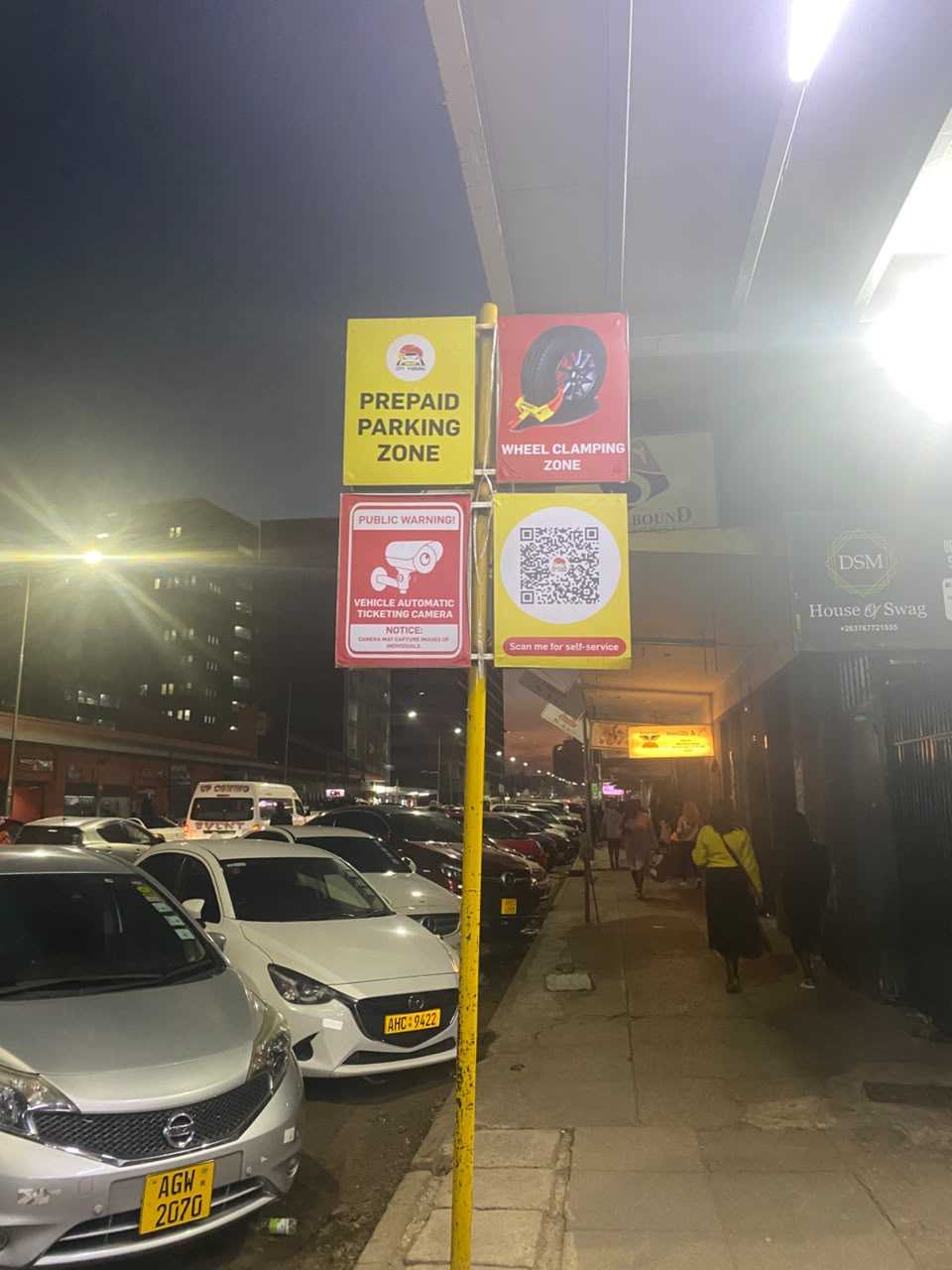
While City Parking claims that drivers can easily bypass absent marshals by using QR codes placed in parking bays, Pasipanodya notes that "motorists argue that they are not aware of this smart parking system."
With the impasse showing no signs of clearing, CHRA has taken the matter to their legal teams. "As representatives of motorists and residents, we have consulted our legal advisers because it is motorists who are at the receiving end of this whole situation."









Leave Comments