




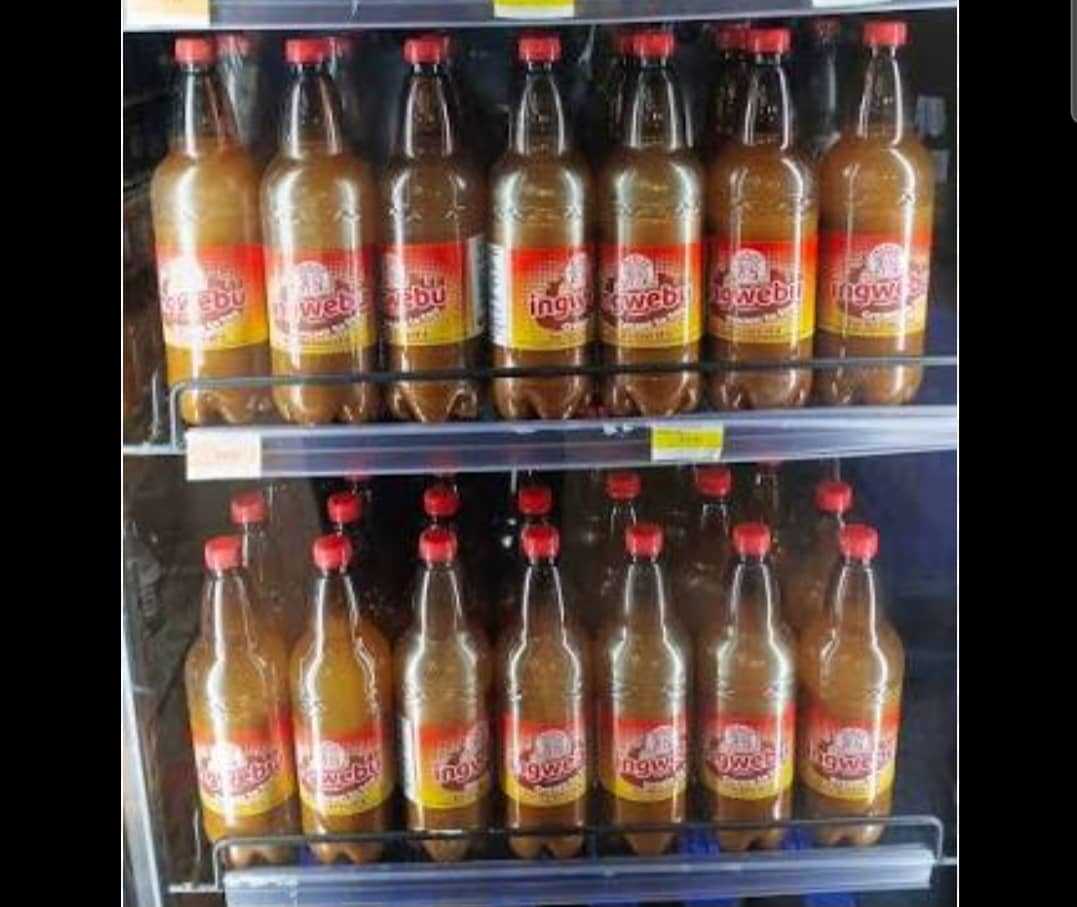
Ingwebu Breweries is facing a financial crisis that could threaten the survival of one of Bulawayo’s municipal-owned enterprises, with the brewery reportedly losing about US$250 000 every month and requiring as much as US$5 million in fresh capital to remain viable. The scale of the crisis is laid bare in a confidential City of Bulawayo report submitted by the Town Clerk on July 13, which warns that the company has reached insolvency while its production capacity continues to deteriorate. Mayor David Coltart told the council that the city did not have the financial capacity to provide the money needed to rescue the brewery, leaving private investment as the most realistic option for keeping the business afloat. Coltart instructed the Ingwebu board to urgently approach Mutapa Investment Fund and Innscor and obtain formal proposals, according to the report. “He advised that, should the company fail to secure satisfactory investment proposals, the Board should immediately initiate corporate rescue proceedings to safeguard the business and its stakeholders,” the report states. The warning reflects the narrow choices now facing the council: secure a substantial investor or risk placing the brewery under corporate rescue. Ingwebu’s financial problems are being compounded by a breakdown in its production infrastructure. The brewery originally operated six boilers, but only one remains functional and even that unit is unreliable. According to managing director Dumisani Mhlanga, the remaining boiler can run for roughly two days before breaking down, after which repairs can take between three and four days. The interruptions have directly affected production volumes and product quality, with customers reportedly moving to rival brands. Distribution is another major weakness. Ingwebu’s delivery trucks frequently break down, leaving products unavailable in some markets, while the company also faces a shortage of refrigeration equipment despite demand from customers for chilled products. The brewery’s board chairperson, Kalani Ndlovu, described the situation as “significant operational and financial challenges”, arguing that previous investments had not been strategically coordinated and that ageing equipment had severely constrained production. Ndlovu said private equity was urgently needed and disclosed that Mutapa, Innscor and Delta had shown interest in the company, although engagement with Mutapa had been slowed by government processes. The board has also called for a forensic audit before any investment deal is concluded, while proposing that a comprehensive investment plan backed by independently assessed cash-flow projections be prepared within 30 days. Ingwebu has already failed to secure additional financing from Ecobank, further exposing the weakness of its balance sheet and increasing pressure on shareholders to inject capital. Yet the company is not being written off internally. Management has devised a two-stage recovery strategy, with the first phase requiring approximately US$2.7 million. Part of that money would be used to acquire a second-hand boiler estimated at US$180 000, alongside other interventions aimed at restoring production. A pasteurisation plant is also being considered as part of the turnaround. The investment would address a major weakness in Ingwebu’s Cream Tataa product, whose shelf life is currently limited to 15 days because the brewery lacks pasteurisation facilities. The second phase would require considerably more capital and is intended to establish the brewery on a sustainable long-term footing. Mhlanga said external investment offered the strongest route to recovery, with Mutapa and Delta among the potential investors. Mutapa representatives were expected to visit the company as discussions moved towards a possible conclusion in August. The crisis has also spilled into the workforce, with employees reportedly going without salaries as the company struggles to generate enough cash to cover basic operating requirements. During council deliberations, Councillor Mxolisi Mahlangu argued that every effort should be made to secure investment before the municipality considers allowing the brewery to collapse. He also called for engagement with employees, including those who remain unpaid, amid strained relations between workers and management. The extent of the cash shortage was illustrated by Mhlanga’s disclosure that the company had managed to secure only US$13 000, enabling a once-off US$100 payment to some employees. The amount was insufficient to satisfy workers’ demands and left the company struggling to finance another essential requirement: raw materials.




Leave Comments