









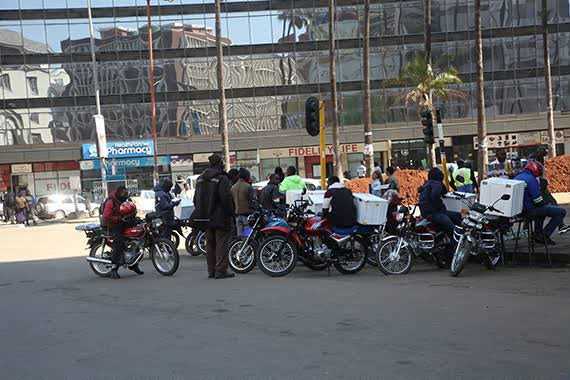
Motorcycle theft is no longer a series of isolated crimes but part of organised criminal networks stretching from cities to remote rural communities, exposing weaknesses in policing, second-hand markets and public awareness despite a growing number of arrests.
Within just a few months, police have uncovered alleged motorcycle theft syndicates operating across Mashonaland East, Mashonaland West, Manicaland and Harare, recovering dozens of stolen motorcycles and arresting suspects accused of stealing, exchanging and reselling them through informal networks.
The latest case saw police arrest five suspects linked to the theft of 11 motorcycles in Marondera, Dema, Wedza, Macheke and surrounding areas between January and July this year.
Five motorcycles worth approximately US$8,500 were recovered, while investigations continue into what police believe is a wider criminal network.
The arrests followed another major investigation in Chegutu, where police dismantled a separate alleged syndicate linked to at least 10 motorcycle thefts and break-ins. Officers recovered six motorcycles, along with other stolen property, while two suspects remain on the run.
In Manicaland, detectives uncovered another alleged network after tracing stolen motorcycles from Harare to communities near the Mozambique border, where investigators say some of the stolen bikes were exchanged for legitimate motorcycles before changing hands again.
Related Stories
The three investigations, conducted in different provinces and involving different suspects, point to an emerging pattern rather than isolated incidents of theft.
Police spokesperson Commissioner Paul Nyathi said investigations into the latest cases were continuing as detectives worked to identify everyone involved in the networks.
The investigations also highlight how stolen motorcycles are allegedly moved across districts before being sold or exchanged, making recovery increasingly difficult once they leave the areas where they were stolen.
Motorcycles have become increasingly attractive targets because they are easier to transport, dismantle, conceal and resell than motor vehicles.
They are also in growing demand among farmers, transport operators, informal traders and courier businesses, creating a ready market for second-hand motorcycles whose origins are often difficult to verify.
The investigations have also raised concerns about buyers who unknowingly purchase stolen motorcycles through informal transactions without verifying ownership documents or registration details.
Commissioner Nyathi urged members of the public to exercise caution when buying motorcycles and to cooperate with police investigations as authorities intensify efforts to dismantle organised theft syndicates.









Leave Comments