






A proposed US$500 million Thuli Moswa Dam in Zimbabwe could become a major source of water for South Africa’s planned industrial expansion around Musina, but technical studies point to a more complicated challenge: available water must serve growing industrial, municipal, agricultural and rural-community needs at the same time.
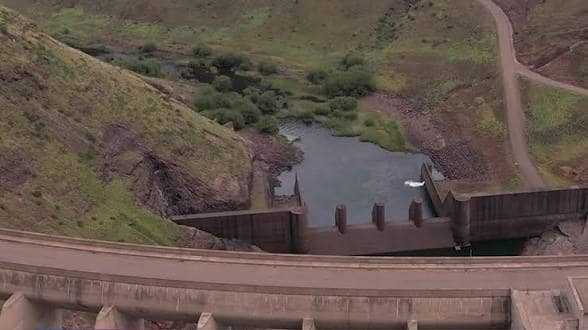
The proposed dam would have a storage capacity of about 430 million cubic metres and could supply up to 90 million cubic metres to the Musina-Makhado Special Economic Zone in Limpopo, according to documents reported on Monday.
The zone is being developed for energy-intensive industries, including metals processing and manufacturing.
South Africa’s Department of Water and Sanitation spokesperson Wisane Mavasa said the two countries were still discussing a joint study examining the feasibility of developing dams in Zimbabwe and transferring water to Limpopo as a long-term solution.
The latest proposal therefore remains at the feasibility and planning stage rather than being a construction commitment.
The urgency behind the discussions is clearer from earlier bilateral planning.
When South Africa and Zimbabwe signed a 2024 agreement to transfer treated water from Beitbridge to Musina, Water and Sanitation Minister Senzo Mchunu said: “we believe that with the transfer of water from Beitbridge Water Treatment Works, the challenges of water supply in Musina will be a thing of the past.”
Zimbabwe’s then Water Minister Anxious Masuka described the agreement as the result of years of negotiations.
However, the official Beitbridge-Musina Integrated Water Supply Scheme study suggests that securing additional water for the corridor will not be straightforward.
The study estimates that about 110 000 people would initially benefit from the integrated scheme, rising to approximately 200 000 by 2038, while also identifying the area as drought-prone and requiring greater climate-change resilience.
Most significantly, the study found that Zhovhe Dam has no surplus water available for exports to Musina and the MMSEZ under existing commitments.
Water from Zhovhe must also account for downstream agricultural irrigation before any additional transfers can be considered.
That finding changes the context around the proposed Thuli Moswa project.
The issue is not simply whether Zimbabwe has a large dam from which water can be transferred to South Africa. The water balance has to accommodate existing users before an industrial export allocation can be sustained.
The study further warns that even if water becomes available after planned use of Thuli Moswa Dam, there could still be a significant deficit because of competing requirements from riparian rural communities downstream.
It identifies Manyuchi Dam, whose yield is reportedly underutilised, as another potential source that could supplement supplies.
This makes the proposed 90 million cubic metre annual supply to the MMSEZ particularly significant.
It would represent a substantial new demand on a water system in which planners are already balancing agriculture, rural communities, existing municipal requirements and industrial expansion.
Related Stories
The pressure is being created partly by the economic ambitions attached to the Musina-Makhado corridor.
South Africa’s Department of Water and Sanitation has previously identified new dams for the Musina-Makhado and Middle-Letaba areas as part of longer-term water-resource planning, while confirming that cooperation with Zimbabwe is being explored to supply Musina and the SEZ.
The cross-border approach is also not entirely new.
In 2024, Zimbabwe agreed to provide up to 15 million cubic metres of treated water a year to Musina through the Beitbridge Water Treatment Works.
The plant has capacity for about 35 million cubic metres a year, while only around 10 percent of that capacity was being used for Beitbridge at the time of the agreement.
The Thuli Moswa proposal would therefore represent a substantial escalation from that arrangement — moving from a relatively modest treated-water transfer aimed at supporting Musina to a major water-resource project potentially designed around the requirements of an industrial economy.
Under the proposal, an agreement would trigger an estimated 18-month preparation period, followed by about three years of construction.
South Africa would reportedly pay for the water under an agreement lasting between five and 35 years.
Zimbabwe’s Agriculture Ministry secretary Obert Jiri said there was currently no timeline for the project to begin.
The financial model will be as important as the engineering.
A US$500 million project requires agreement on who finances the dam, who owns and operates the infrastructure, how the water is priced and how the costs are recovered over decades.
Those questions become more complicated when the resource originates in one country while much of the intended industrial consumption occurs in another.
There is also a development question for Zimbabwe.
Selling water to an industrial zone could create a long-term revenue stream and deepen economic links around the Beitbridge-Makhado corridor.
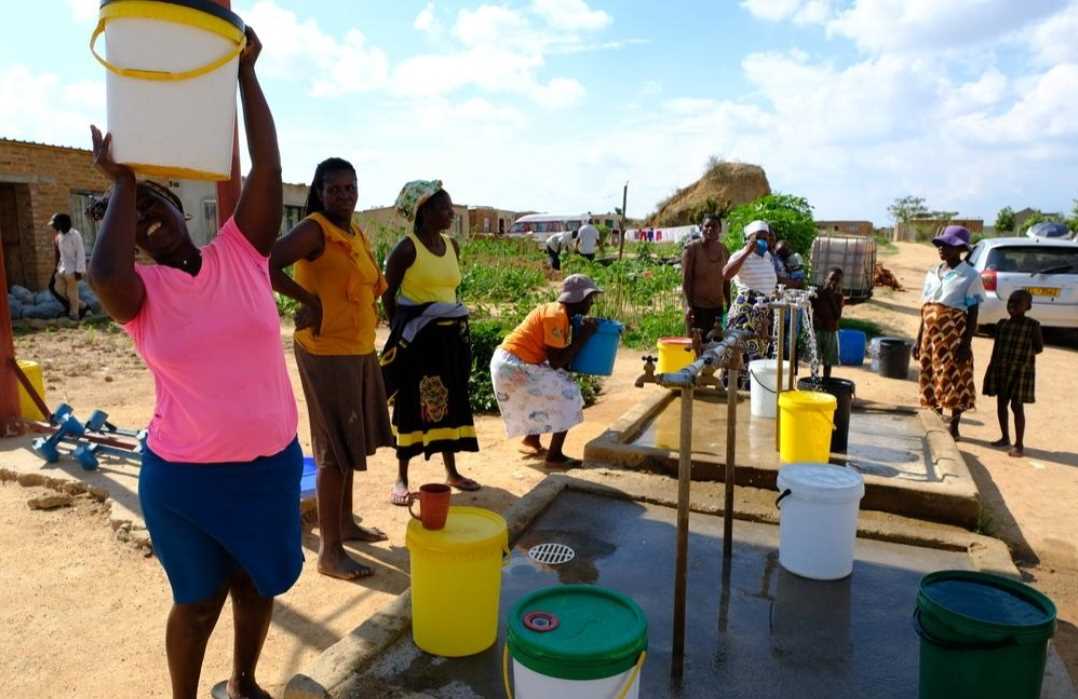
But the water-supply study shows that the resource also has competing domestic uses, meaning any export arrangement would have to be considered alongside agricultural development and the needs of communities downstream of the dam.
The proposed dam consequently sits at the intersection of water security, industrialisation and cross-border resource management.
South Africa needs dependable water to support the economic ambitions of Musina-Makhado, while Zimbabwe has to determine how much of its available water can be committed to an external industrial market without compromising existing and future domestic demands.







Leave Comments