








Zimbabwe is positioning Harare for a major expansion of its tourism and business-events economy, with nearly 7,000 hotel rooms either under construction, awaiting financial closure or in the development pipeline as Government targets the capacity needed to host major international events.
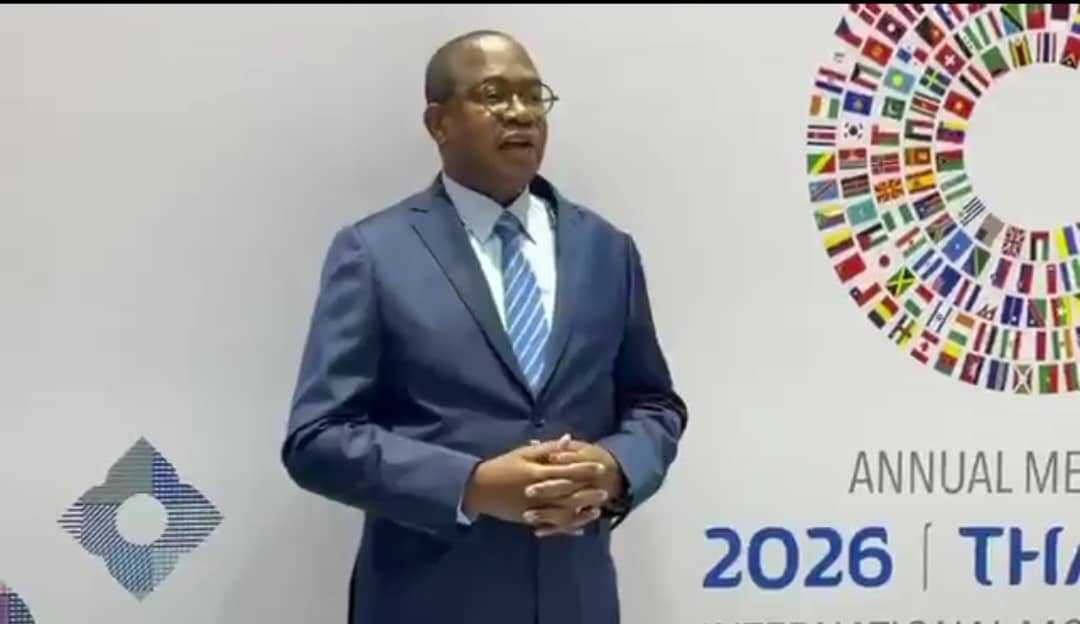
Finance, Economic Development and Investment Promotion Minister Mthuli Ncube said Harare currently has approximately 2,593 hotel rooms under construction, while another 2,402 rooms are at the tender or financial-closure stage.
A further 2,000 rooms are in the greenfield pipeline. If all three categories are delivered, Harare's accommodation inventory would rise from about 11,854 rooms to 18,849, taking the capital much closer to the estimated 20,000 rooms needed to host major events such as the 2029 Intra-African Trade Fair.
The investment push comes as tourism earnings continue to strengthen.
Zimbabwe generated US$251 million in tourism receipts during the first quarter of 2026, up 14% from US$221 million in the same period last year, while international arrivals rose 11% to 384,561. Domestic tourism was also stronger, with estimated trips reaching 2.62 million, up from 1.94 million.
The Zimbabwe Tourism Authority said the first-quarter performance showed that the sector was gaining momentum, reporting:
“International tourist arrivals increased by 11 percent, from 347 555 in 2025 to 384 561, while tourism receipts grew by 14 percent to US$251 million, up from US$221 million.”
Ncube identified the 1,200-hectare Masuwe Special Economic Zone in Victoria Falls as one of the country's major tourism investment opportunities.
The project incorporates Lot 1 of Jafuta Estate, covering 271.5 hectares, which is being developed as an integrated tourism resort.
Related Stories
Government sees Masuwe as an opportunity to build a broader tourism ecosystem around Victoria Falls rather than relying solely on traditional hotel accommodation.
The development could create space for hotels, restaurants, recreation, conference facilities, retail operations and other tourism-linked businesses, potentially increasing opportunities for local suppliers and service providers.
Government is simultaneously seeking to strengthen Zimbabwe's position in the meetings, incentives, conferences and exhibitions market.
The strategy involves investment in conference infrastructure, technology, skills development and improved destination accessibility.
That market is particularly important because international conferences can generate spending across a much wider chain than accommodation alone, benefiting airlines, transport operators, restaurants, event companies, retailers and small businesses.
The need for additional capacity is also underscored by the country's existing hotel performance. Zimbabwe's national hotel occupancy rate stood at about 38% in the first quarter of 2026, only marginally above the 37% recorded a year earlier.
Tourism investment itself has been rising sharply. ZTA figures show investment increased from US$12.6 million in Q1 2025 to US$67.8 million in Q1 2026, a 438% increase.
The growth in receipts, arrivals and investment gives Government a stronger case for expanding accommodation and conference infrastructure.
However, the relatively modest national occupancy rate also suggests that infrastructure development must be matched by aggressive destination marketing, improved air connectivity, reliable utilities, competitive pricing and a stronger pipeline of international events.
Zimbabwe received more than 1.77 million international arrivals in 2025, generating more than US$1.3 billion in tourism receipts, according to ZTA figures.





Leave Comments