
Govt Turns to Cement Imports as Demand Triples
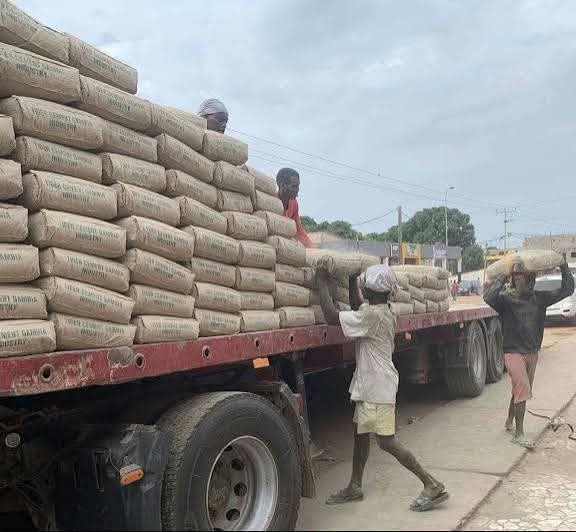
Zimbabwe is facing a widening cement supply deficit after annual demand surged to three million tonnes against local production of just 1.6 million tonnes, prompting Government to seek the temporary removal of import taxes and increase foreign supplies to stabilise prices.
The shortage has been worsened by maintenance shutdowns at major producers PPC, Sino-Zimbabwe and Khaya, which have coincided between October and December, alongside clinker shortages and transport delays affecting deliveries.
Industry and Commerce Minister Nqobizitha Mangaliso Ndlovu told Parliament that cement demand had grown from approximately one million tonnes annually in 2018 to three million tonnes this year, outstripping the capacity of local manufacturers to meet market requirements.
The supply constraints have also pushed cement prices above regional averages, with high domestic business costs, including taxation, energy and logistics, adding pressure on producers and consumers.
Government has issued licences for the importation of 603,400 tonnes of cement since January and approved permits for the importation of 500,000 tonnes of clinker since April to supplement domestic production.
However, the 30 percent surtax on imported cement, introduced in 2025, has reportedly discouraged prospective importers, prompting the Ministry to engage Treasury over a temporary waiver.
“We have engaged Treasury to consider the removal of CETEX on cement. This measure is intended to reduce the tax burden on the product and ultimately lower the cost of cement to consumers,” Ndlovu said.
He said some prospective importers had been discouraged by the high cost of bringing cement into the country due to the surtax, making its temporary removal necessary to stabilise prices.
Government is also investigating pricing practices in the sector, with the Ministry strengthening market surveillance and conducting checks on producers and importers to address speculative pricing, unjustified price increases and artificial shortages.
Ndlovu said manufacturers were being encouraged to stagger their annual maintenance programmes to avoid simultaneous shutdowns that disrupt supplies.
The Minister also identified delays at ports of entry as another constraint, revealing that Government was engaging the Zimbabwe Revenue Authority (ZIMRA) to expedite the clearance of cement and clinker imports.
He cited serious bottlenecks at the Chirundu Border Post over the preceding two weeks, which had affected the movement of imported supplies.
“We are also engaging ZIMRA to explore possible measures to expedite clearance of cement and clinker imports at the ports of entry,” he said.
Beyond emergency imports, Government is seeking to strengthen domestic production, particularly clinker manufacturing, through fiscal and non-fiscal incentives being discussed with Treasury.
New investments are expected to provide more substantial relief from 2027, when installed cement production capacity is projected to increase from 3.6 million tonnes to 5.6 million tonnes.

About Oscar Jeke - Reporter
Staff Writer