
NGO Funding Crisis Exposes Sector's Vulnerabilities
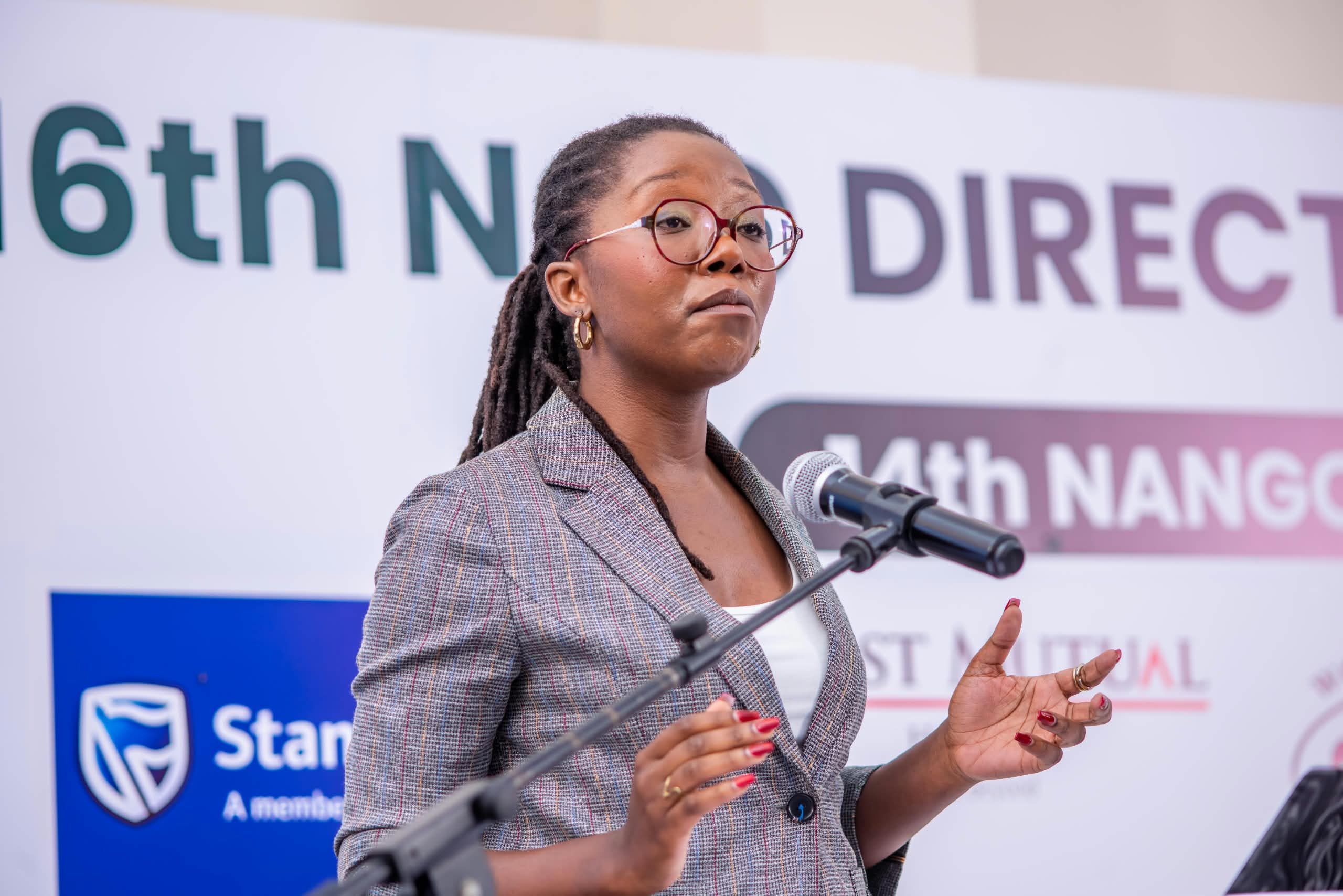
Zimbabwe's non-governmental organisation (NGO) sector is facing mounting leadership and sustainability challenges as funding withdrawals, shrinking civic space and global uncertainty threaten organisational survival, forcing directors to reconsider how they finance their operations, protect staff and maintain their capacity to serve communities.
The pressures were highlighted by WELEAD Africa Regional Director Namatai Kwekweza when she opened the 16th NGO Directors' Summer Retreat, challenging leaders to confront a difficult question: when the struggle becomes painful and the prospects of recovery appear uncertain, how do they decide whether to continue fighting?
Using the Shona expression “Mutambowatsuka ropa!”, Kwekweza drew on the boxing tradition of throwing in the towel to illustrate the difficult choices facing leaders. She observed that the decision to end a fight is not always made by the boxer but can also come from someone watching from outside the ring.
In her address, titled “Leading Through the Storm: Courage, Character and the Conviction to Keep Moving Forward”, she said the pressures of leadership were often concealed behind the expectation that directors must remain strong, even when their organisations and personal circumstances were under strain.
The burden, she explained, could manifest in sleepless nights over staff salaries, organisational survival and the responsibility of maintaining confidence while privately dealing with uncertainty and exhaustion.
“Leaders are human beings,” she reminded delegates, emphasising that those at the helm of organisations also experience pain, doubt and fatigue.
Beyond the personal pressures, however, her address pointed to a deeper institutional problem: the convergence of funding withdrawals, restrictions on civic space, technological disruption and global uncertainty is placing pressure on organisations from several directions simultaneously.
For Zimbabwe's NGO sector, this raises questions about the sustainability of organisations in an environment where external funding remains a major determinant of programme implementation, staffing and institutional continuity.
Funding withdrawals do not only threaten individual projects. They can disrupt long-term community programmes, force organisations to reduce staff numbers, weaken institutional expertise and leave beneficiaries without services they may have come to depend on. When funding becomes uncertain, organisations also face difficult choices over whether to protect existing programmes, scale down operations or redirect limited resources towards survival.
The challenge is therefore not simply whether NGO directors have the courage to endure difficult conditions, but whether their organisations have adequate financial and institutional safeguards to withstand prolonged disruption.
Kwekweza distinguished between ordinary setbacks and what she described as storms — complex crises that occur simultaneously and feed into one another. This distinction is important because the pressures facing the sector cannot necessarily be resolved through isolated interventions. Funding difficulties, restrictions on civic space and technological changes can reinforce one another, leaving organisations with fewer resources and less room to respond.
She acknowledged that some storms were of organisations' own making, requiring leaders to examine their decisions and accept responsibility, while others were beyond their control.
Her reference to internally generated problems raises questions about governance, financial management, accountability and the quality of strategic decisions within NGOs. While external funding constraints may be beyond an organisation's control, how it manages resources, plans for uncertainty, prioritises programmes and communicates with staff and beneficiaries remains a leadership responsibility.

About Oscar Jeke - Reporter
Staff Writer