
Parks and Wildlife Fees Put Tourism Operators Under New Cost Obligations
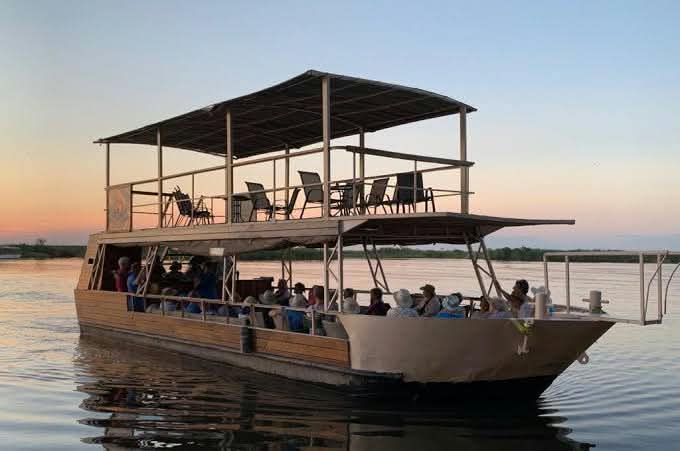
Government has introduced new licensing and permit charges for tourism and wildlife-related businesses, with boat cruise operators facing a US$1,000 fee, houseboat transporters US$1,250 and ivory manufacturers US$600 annually under Statutory Instrument 191 of 2026.
The new charges, gazetted on November 27, amend the Parks and Wildlife Management Authority (Tariff of Fees) By-laws, 2019, through changes to the Third and Seventh Schedules, which govern tour operator fees and licence and permit charges.
Under the amended Third Schedule, Government has introduced a US$1,000 charge for "Tour Operator's Boat Cruise Permit Fees (Max Two Boats)", while canoeing activities will attract a fee of US$300.
Transporters operating houseboats will pay US$1,250 under the new tariff, making it the highest charge among the listed boating activities.
However, the instrument also removes an existing charge, stating that "Dinner Cruise Extra Boat Fees" are repealed. The fee previously stood at US$500, meaning operators will no longer be liable for that particular charge.
The Seventh Schedule has also been amended to introduce an annual US$600 charge for an "Ivory Manufacturers Licence per annum", extending the revised tariff beyond tourism operators to businesses involved in the manufacture of ivory products.
A key provision affecting all the listed charges is the amendment to Section 2 of the principal regulations, which now states:
"All fees are in United States dollars and are payable in local currency at the prevailing interbank rate."
This means that although the charges are denominated in US dollars, businesses can settle their obligations in local currency, with the amount determined by the prevailing interbank exchange rate at the time of payment.
The structure of the new fees raises questions about the affordability of operating in the tourism sector, particularly for smaller operators who must meet fixed licensing costs regardless of passenger numbers, trip frequency or revenue.
For example, an operator seeking a boat cruise permit covering a maximum of two boats must pay US$1,000, while a houseboat transporter faces a US$1,250 charge. Businesses undertaking both activities would therefore face combined fees of US$2,250, before accounting for other operational and regulatory expenses.
The instrument, however, does not provide a breakdown of how the charges were calculated, the projected revenue from the new tariffs or the conservation and management services that the additional collections are expected to finance.
It also does not provide sufficient historical tariff comparisons to establish the percentage increases, making it difficult to assess the full financial impact on operators.
The annual US$600 ivory manufacturers' licence similarly raises questions about the regulatory obligations attached to the charge, particularly given the need for effective monitoring and enforcement in wildlife-related industries.
While the repeal of the US$500 dinner cruise extra boat fee offers some relief to affected operators, the wider tariff changes place renewed focus on the balance between generating revenue for wildlife management and maintaining an affordable operating environment for tourism businesses.
The central issue is whether the additional fees will translate into improved conservation management, infrastructure and licensing services, or simply increase the cost of doing business without clearly demonstrated returns.

About Oscar Jeke - Reporter
Staff Writer