
Young Zimbabwean Athletes Battle Climate Change on the Pitch
The Zimbabwe Under-19 korfball captain checks the weather forecast, drinks water, eats porridge, and packs his kit alongside a cap and a two-litre bottle of water.
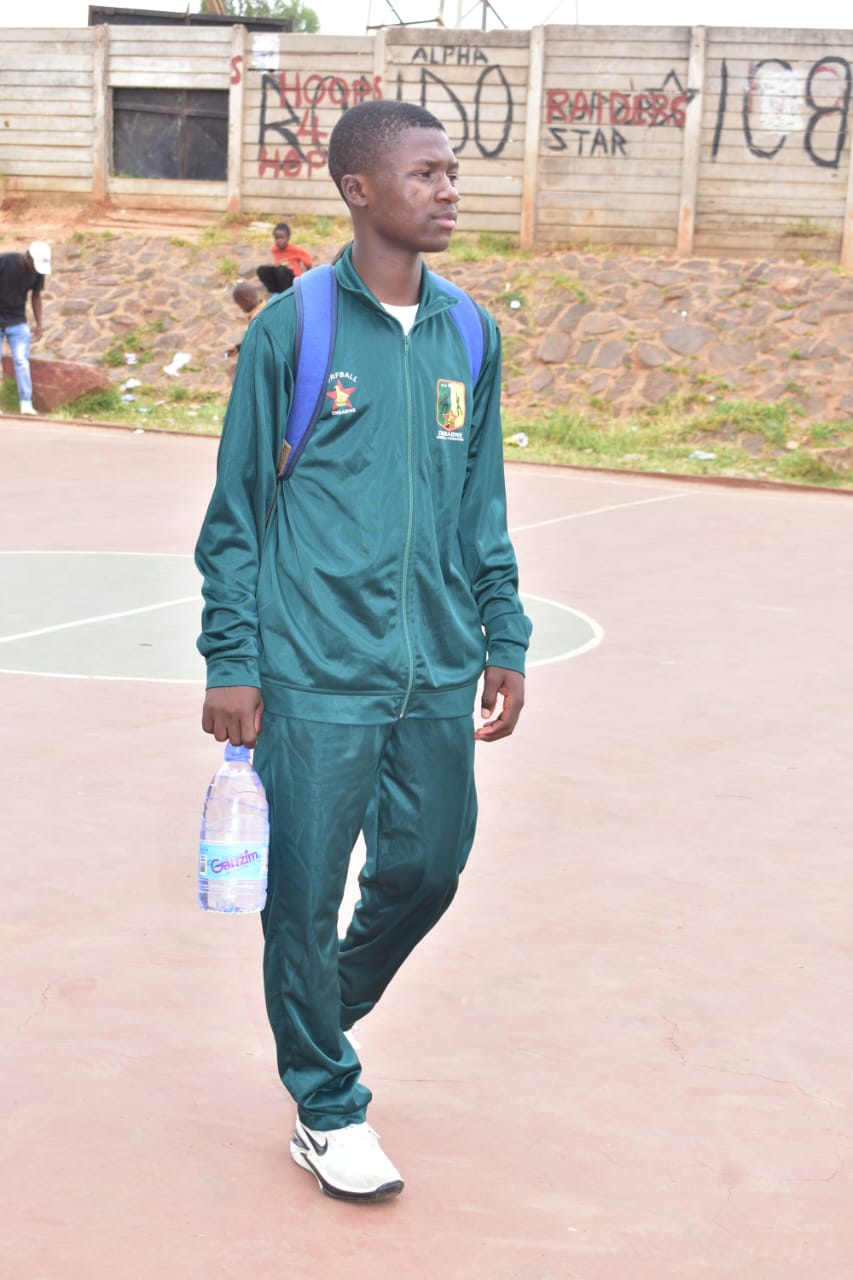
At 05:00, while much of Harare is still asleep, Prosper Chahweta is already preparing for practice. The Zimbabwe Under-19 korfball captain checks the weather forecast, drinks water, eats porridge, and packs his kit alongside a cap and a two-litre bottle of water.
By 06:30, Chahweta and his teammates are on the pitch, racing against the rising sun to finish their drills before the heat becomes unbearable.
For these young stars, preparing for competition is no longer just about fitness and tactics it is a daily battle against shifting weather patterns.
"Weather now controls our timetable," Chahweta says.
The squad has been forced to move training to an early 06:30 to 08:00 window, cutting sessions short to squeeze in frequent water breaks.
Even with these adjustments, extreme heat, drought, and sudden downpours continue to disrupt their game. Hot, dry mornings leave Chahweta exhausted, hurting his focus, shooting accuracy, and recovery time.
During a recent session, the reality of the climate crisis hit hard when the team arrived to find the school taps dry.
Sixteen players were forced to share a single five-litre container of water. By 07:30, temperatures had climbed past 28 degrees Celsius.
Two players quickly complained of headaches and dizziness, while Chahweta himself developed a headache and a dry mouth.
Acting fast, the young captain halted practice, moved his squad into the shade, and called a parent to buy extra water.
Beyond the heat, the changing climate is ruining their playing surfaces. Prolonged dry spells have left their outdoor court hard and cracked, making every fall painful, while sudden heavy rains easily flood the pitch.
Without an indoor hall or adequate shade, the team has nowhere to escape the elements.
Medical expert Leon Tanto-tee Maringapasi, who treats athletes across various sporting codes, warns that extreme heat can quickly drain even the fittest players.
He explains that as the body works overtime to cool itself down during exercise, athletes suffer faster dehydration, fatigue, and slower recovery.
Maringapasi notes that young players often miss the early warning signs of heat illness or feel too shy to tell their coaches they are struggling.
He urges athletes and coaches never to dismiss headaches, dizziness, nausea, weakness, or muscle cramps as simple tiredness, warning that confusion or collapse are signs of life-threatening heatstroke.
His advice aligns with international health bodies like the US Centers for Disease Control and Prevention and the International Olympic Committee, which urge teams to train during cooler hours, provide plenty of water and shade, and stop activity immediately if players feel faint.
Closer to home, the Ministry of Health and Child Care issued a public health advisory on November 5, 2026, warning that strenuous activity in high temperatures can lead to fatal heatstroke, especially with forecasts predicting hotter weather and below-normal rainfall for the 2026/2027 season.
Despite these growing risks, local sports governance has yet to catch up.
While the Sports and Recreation Commission is mandated to oversee sports programmes and manage facilities, its public guidelines currently lack specific rules for training in extreme heat.
For Chahweta, the solution starts with better infrastructure.
He believes schools and sports grounds urgently need reliable water supplies, shaded rest areas, proper drainage, and indoor courts, backed by clear heat-safety rules and first-aid support.
For Zimbabwe’s rising sporting generation, adapting to a warming climate is about more than winning matches—it is about staying alive and healthy enough to keep chasing their dreams.
Until facilities improve, young athletes waking up before dawn will continue to face their toughest opponent before the whistle even blows: the weather itself.

About Patience Muchemwa
Senior Reporter