






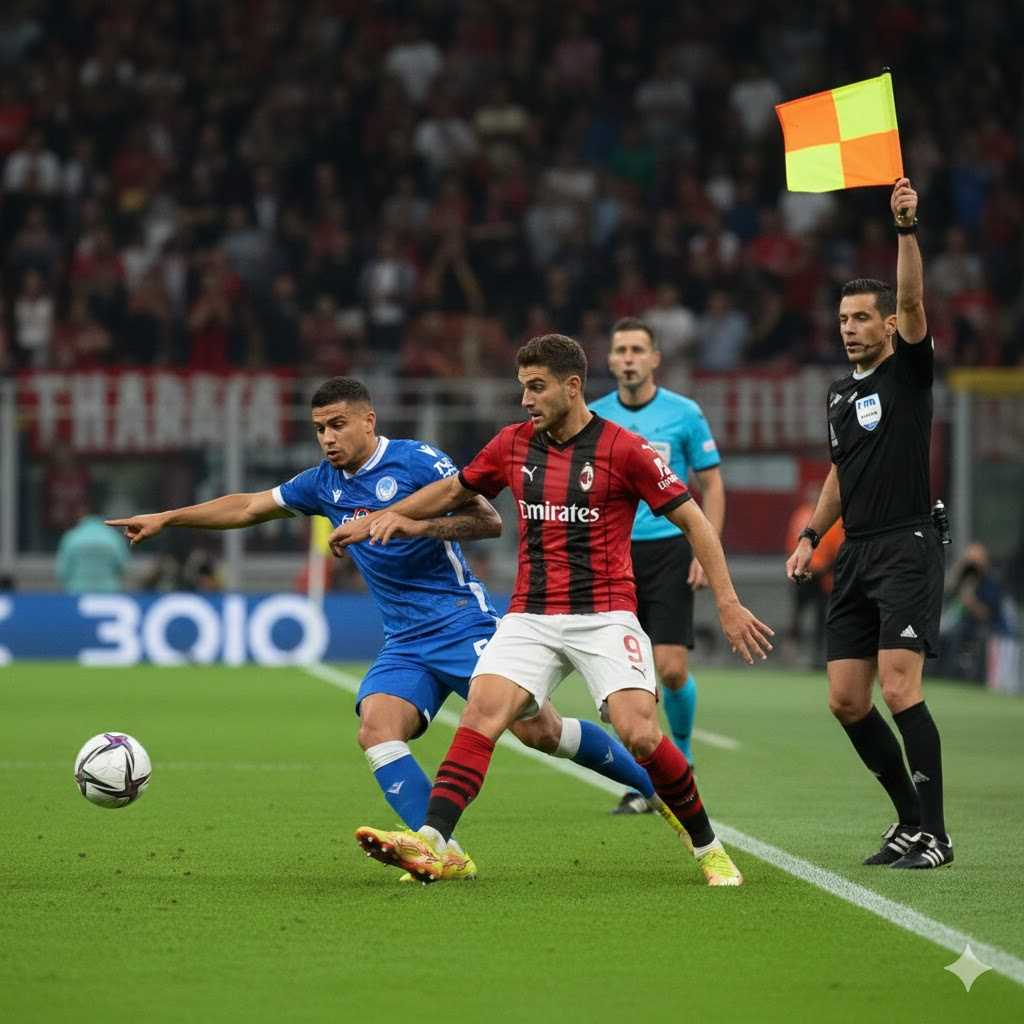
Offside markets look tiny next to goals and corners, yet they hide sharp opportunities. Professionals use them when match rhythm, team tactics and referee habits point in the same direction. They do not treat offsides as random whistles but as a live signal of how teams stretch or squeeze the pitch under pressure. And, if we speak honestly, this signal often moves slower than the main line, so value sometimes stays on the table longer than it should.
Experienced players check real-time numbers before they touch this market. They monitor shot maps, attacking zones and tempo, and they often start with platforms that aggregate live football stats in a clear layout such as application bizbet, which gives a quick view of pressure patterns and last actions in the final third. This kind of dashboard helps them spot when forwards repeatedly break the line, not just once by accident.
How Offside Markets Work in Practice
Offside bets usually focus on total offsides for one team or both teams combined. Bookmakers set these totals based on historical averages and tactical expectations. Sharps treat those numbers as hypotheses that they either accept or reject.
Across top professional leagues in one large region, teams average between 1.8 and 2.4 offsides per match. However, high-pressing sides sometimes finish well above three, especially when they chase the game. This gap between average and peak behaviour creates room for offside totals that drift away from real match tempo.
Professionals also watch live lines. If a match already produced four offsides in the first half hour, but totals barely move, some players treat that as a red flag for mispriced risk. The idea sounds simple, yet it demands fast reading of context.
Using Data Tools for Offside Analysis
Modern bettors rarely rely on gut feeling alone. They combine intuition with structured stats from dedicated tools. Many of them cross-check pressure, field tilt and attack patterns on specialised sites such as https://bizbet.africa/line, which collect deep event-level data for professional leagues.
For live usage, mobile-friendly platforms matter a lot.
Related Stories
Before they touch this niche market, experienced players usually check a small cluster of concrete indicators. They focus more on repeatable tendencies than single moments.
- Average offsides per match for both teams across recent ten to fifteen fixtures
- Preferred defensive height for each side, especially against fast forwards
- Share of long passes in attacking build-up, particularly from deep defenders
- Referee history with tight offside calls and tolerance for marginal runs
- Game state patterns – how often teams chase matches late and overcommit
- Schedule congestion, which can slow defenders and change timing of runs
This checklist helps them avoid impulsive decisions driven only by one dangerous through ball. If several factors align, they feel more comfortable when they touch a specialised market like offsides.
Live Offside Betting and Timing Windows
Timing matters more than anything else in live offside betting. Professionals look for short windows where match behaviour changes, but the line still sleeps.
One common window appears right after a tactical substitution. A fresh winger enters, starts stretching the pitch, and suddenly centre-backs must turn more often. In those minutes, offside totals sometimes lag behind the new reality. Another window reveals itself after a formation switch from a single striker to a dual-forward setup. Data from tactical reports shows that such changes can increase offside events in the next twenty minutes by up to 30% in some leagues.
Some sharps follow these swings directly through mobile interfaces with data reveals, which allow quick access to markets and stat snapshots during travel or when they watch several fixtures at once. The combination of live vision and structured numbers makes their edge more stable.
How Professionals Treat Risk in Offside Markets
Offside markets look smaller than main totals, yet they still carry real volatility. Professionals therefore treat them as part of a broader portfolio, not a stand-alone magic tool.
They often cap stake size for niche markets and track their performance across long samples, not a handful of lucky weekends. Over hundreds of bets, they check whether their edges hold when leagues change, referees rotate and tactical fashions shift. Some private databases show that focused offside strategies can keep positive margins over multiple seasons, but only when players respect stake limits and avoid emotional reactions after marginal calls.








Leave Comments