







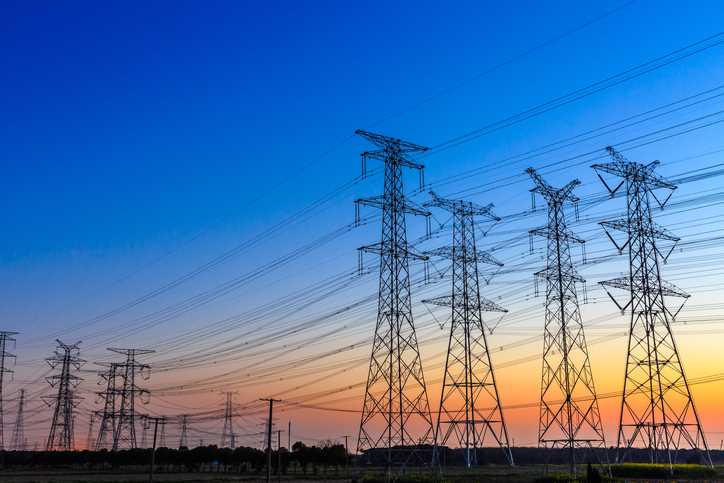
Zimbabwe is stepping up its push for international investment in the energy sector, targeting more than US$4 billion to modernise the national grid, expand electricity generation and accelerate the shift towards renewable power.
Addressing delegates at the 16th session of the International Renewable Energy Agency in Abu Dhabi, Deputy Minister of Energy and Power Development Yeukai Simbanegavi said the government is positioning the power sector for private investment by reducing risk and opening the market to competitive procurement.
She said the strategy focuses on attracting Independent Power Producers through market reforms that improve project bankability while strengthening transmission and distribution systems.
“Through the Compact, Zimbabwe aims to expand installed capacity, modernise transmission and distribution networks—including smart metering—scale up off-grid electrification through private sector engagement and results-based financing, and mobilise over US$4.42 billion in private investment by de-risking the energy market and launching competitive IPP procurement,” Simbanegavi said.
Beyond electricity generation, the deputy minister highlighted the growing role of renewable energy in supporting productive sectors of the economy, particularly agriculture and healthcare. She said renewables are already being deployed for irrigation, cold storage, agro-processing and value addition, helping to reduce post-harvest losses and strengthen rural incomes under the Rural Electrification Programme and Village Business Units.
Related Stories
“In the health sector, renewable energy solutions are improving reliability of power supply, strengthening resilience and enhancing service delivery, especially in rural and underserved communities,” she said.
Simbanegavi said the government’s energy strategy is anchored in a just and inclusive transition that prioritises tangible social and economic benefits.
“These efforts reflect Zimbabwe’s commitment to people-centred, impact-driven energy transitions. Zimbabwe attaches great importance to ensuring that the energy transition delivers tangible benefits for people’s lives and livelihoods,” she added.
Zimbabwe is also actively participating in IRENA’s Powering Lives and Livelihoods through Renewables initiative, which has demonstrated the transformative potential of clean energy in productive sectors, particularly across the agri-food value chain and the health system.
However, Simbanegavi acknowledged that major constraints remain, including limited access to affordable long-term financing, high upfront capital costs, grid limitations and capacity gaps.
She said addressing these challenges will require innovative financing structures, stronger risk-mitigation instruments and deeper international cooperation to unlock the scale of investment needed to stabilise and grow the power sector.






Leave Comments