








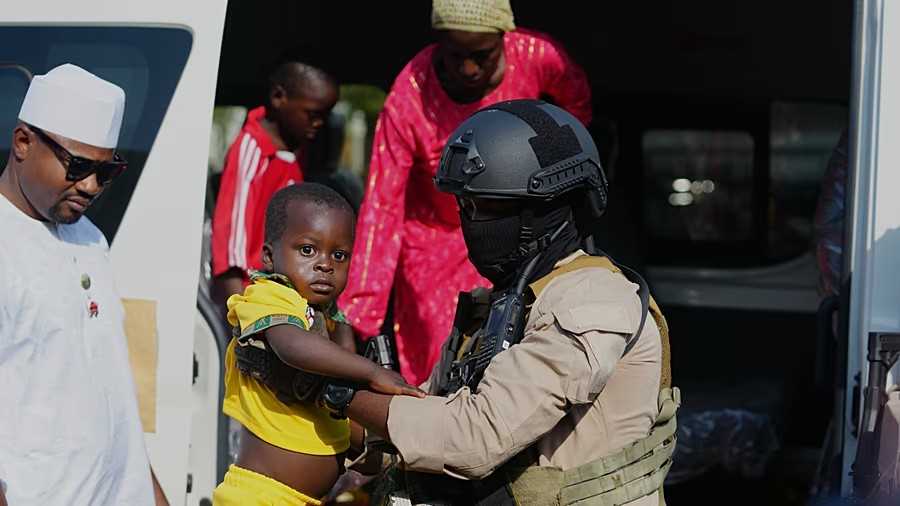
Nigeria’s military says it has rescued 62 hostages and killed two militants during separate operations targeting armed groups, days after more than 160 worshippers were abducted from churches in the country.
The rescues were carried out in coordinated security operations across northwestern Nigeria, although authorities have not confirmed whether any of the freed captives were among those seized during Sunday’s mass church kidnappings.
Army spokesperson Lieutenant Colonel Olaniyi Osoba said troops acted on intelligence reports indicating that abducted civilians were being held in forest hideouts in Zamfara State. Soldiers raided the location and successfully freed dozens of captives without further casualties.
“The rescued victims are now in safe custody and arrangements are underway to reunite them with their families,” Osoba said.
Related Stories
In a separate incident, Nigerian troops engaged militants near the border between Kebbi and Sokoto states, killing two suspects during an ambush, according to the army.
The operations follow a major kidnapping incident on Sunday, when gunmen stormed two churches in Kaduna State during worship services. Local church leaders say more than 160 people—both Christians and Muslims—were abducted in the coordinated attacks, although police have released lower provisional figures as investigations continue.
Nigeria has faced a surge in mass abductions in recent years, particularly in northern and central regions, where armed gangs and Islamist-linked militants operate from forest enclaves. The groups frequently target villages, schools and places of worship, often holding captives for ransom.
Kaduna State police said the attackers used sophisticated weapons and struck churches in the Kurmin Wali area of Afogo ward late Sunday morning. Security agencies say efforts are ongoing to track down the remaining captives and dismantle the networks behind the attacks.
Nigeria remains one of the countries most affected by religiously motivated violence, with Christian communities in particular frequently targeted in rural areas, according to rights groups.








Leave Comments