







Zimbabwe and India have formalised reciprocal diplomatic support for each other’s bids to serve as non-permanent members of the United Nations Security Council, deepening a relationship that has expanded beyond political solidarity into trade, investment and multilateral coordination.
The pledge was announced in Harare during celebrations marking India’s 77th Republic Day, where India committed to back Zimbabwe’s bid for the 2027–2028 UNSC term, while Harare pledged its support for India’s candidature for the 2028–2029 term.
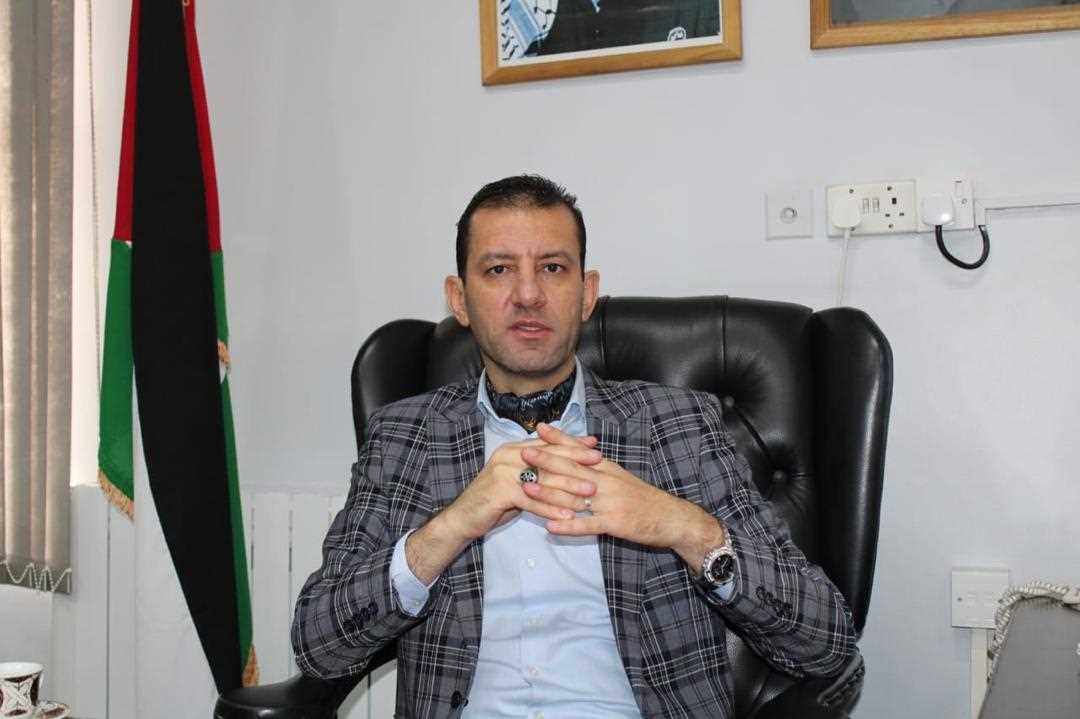
Zimbabwe’s Minister of Foreign Affairs and International Trade, Prof. dr. Amon Murwira, said the mutual endorsement reflected shared priorities in global governance and the Global South’s push for a more inclusive multilateral system.
He told the gathering that Zimbabwe’s engagement was anchored in constitutional obligations, noting that the country is mandated to “actively participate in international organisations that promote peace, progress and the well-being of humanity.”
India’s Ambassador to Zimbabwe, H.E. Shri Bramha Kumar, confirmed New Delhi’s backing of Zimbabwe’s UNSC bid, describing Harare as “a trusted partner on issues of mutual concern at international forums.” He said cooperation between the two countries was grounded in South-South solidarity and a rules-based international order.
Related Stories
The diplomatic alignment comes against a backdrop of expanding economic ties. Ambassador Kumar said Indian private-sector investments in Zimbabwe are now estimated at about US$600 million, spanning sectors such as energy, manufacturing, beverages and agro-processing, and supporting thousands of direct and indirect jobs.
This places India among Zimbabwe’s more significant non-Western investment partners, at a time when Harare continues to court foreign capital.
Prof. Murwira acknowledged the contribution of Indian firms to infrastructure development and industrial capacity, arguing that economic cooperation now forms a central pillar of bilateral relations, alongside political coordination at the United Nations and other multilateral platforms.
Both sides identified renewable energy, agriculture, education, science and technology, mining, and digital public infrastructure as priority areas for future collaboration. Zimbabwe also signalled interest in deepening engagement with India on green energy, citing New Delhi’s leadership in initiatives such as the International Solar Alliance, as the country seeks to diversify energy sources amid persistent power shortages.
Historically, relations between the two countries predate Zimbabwe’s independence, with officials pointing to early trade and educational links between Indian merchants and the Mutapa Empire, as well as India’s diplomatic support during the liberation struggle.
More than four decades after the establishment of formal diplomatic ties, the latest commitments suggest a shift from symbolic solidarity towards more transactional cooperation—combining UN votes with capital flows, sectoral partnerships and coordinated positions on global governance reform.









Leave Comments