





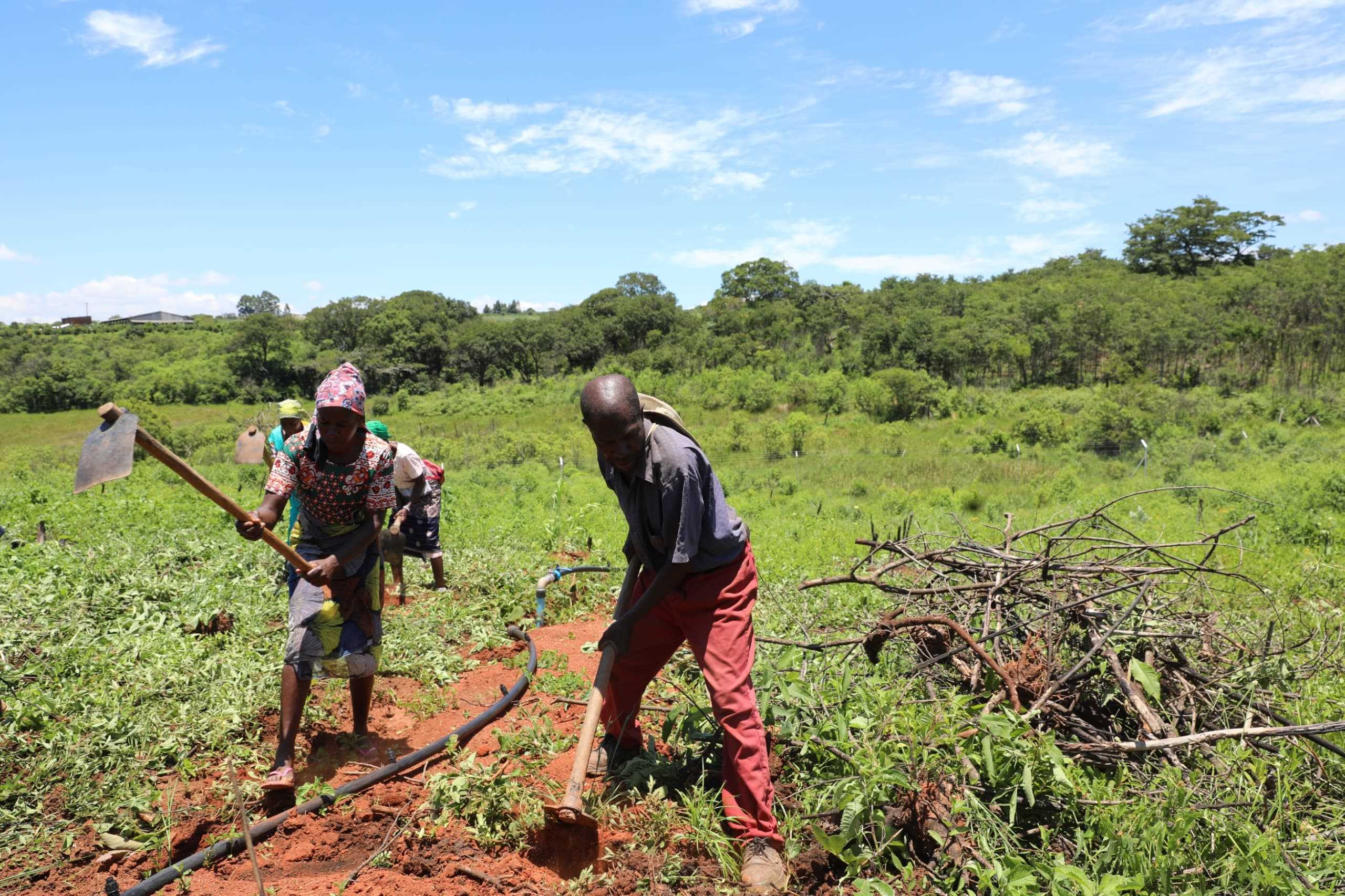
A climate-smart rural enterprise project being implemented by the United Nations Development Programme in partnership with the Zimbabwean government is expected to benefit 116 households in Muchena, Mutasa district, with women heading nearly two-thirds of the targeted beneficiaries, officials say.
The initiative, rolled out under UNDP’s Comprehensive Refugee Response Framework programme, aims to strengthen food security, climate resilience and household incomes in a district increasingly exposed to climate shocks, including erratic rainfall and declining agricultural yields.
“In collaboration with the Government of Zimbabwe, UNDP under the CRRF programme is building stronger, more resilient communities across Zimbabwe,” UNDP Zimbabwe said. “Muchena in Mutasa district is no exception.”
According to programme data, 72 of the 116 households earmarked to benefit are women-led, underscoring the project’s focus on gender-responsive rural development in a country where women constitute the majority of small-scale farmers but remain disproportionately affected by climate stress.
UNDP said the gender focus was deliberate, noting that “women remain at the centre of household food security and climate adaptation efforts in rural communities.”
Related Stories
The project centres on the establishment of a Village Business Unit designed to integrate climate-smart agriculture, value-addition and local enterprise development. VBUs are intended to function as community-level economic hubs, linking production with markets while promoting sustainable land-use practices.
“Upon completion, the climate-smart Village Business Unit is set to bring lasting impact in food security, climate adaptation and improved livelihoods,” UNDP Zimbabwe said.
UNDP Zimbabwe said the Muchena project forms part of broader efforts to build community resilience across climate-vulnerable districts nationwide. Zimbabwe has experienced recurrent droughts and flooding over the past decade, with agriculture — which employs over 60% of the population — remaining highly dependent on rainfall.
Development analysts note that climate-smart interventions at village level are increasingly critical as rural households face compounding pressures from climate change, food insecurity and limited access to finance.
Once operational, the Muchena VBU is expected to contribute to improved household incomes, enhanced climate adaptation capacity and more stable food production systems, aligning with national development priorities on resilience and inclusive growth.







Leave Comments