









Developments in the ongoing dispute between Freda Rebecca Gold Mine and operators at Side Electircal (Pvt) Ltd T/A Botha Gold Mine are increasingly tilting in favour of Botha, following confirmation that an injunction relied upon by Freda was withdrawn before any determination was made.
Contrary to earlier public impressions, the injunction targeting eight miners was not lodged with the High Court but with the Mining Commissioner at the Ministry of Mines and Mining Development. It alleged that the miners were operating unlawfully on ground claimed by Freda.
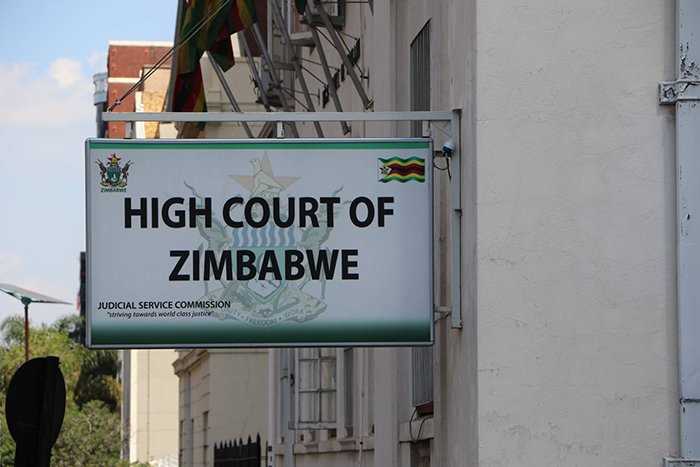
That application was later formally withdrawn from the Ministry. Significantly, proof of the withdrawal was produced by Freda Rebecca itself in its Notice of Opposition filed in response to an urgent chamber application brought by Side Electrical (Pvt) Ltd under case number HCH 354/26. Side Electrical’s application seeks an interim prohibitory interdict restraining both Freda Rebecca Gold Mine and the Zimbabwe Republic Police from conducting an operation at Botha Mine aimed at removing persons currently mining there and fencing off the area.
Related Stories
Legal observers say this sequence materially weakens Freda’s position and strengthens Botha’s case that there is no lawful authority underpinning attempts to interfere with operations at Botha. According to Freda, the withdrawal followed alleged “compliance” by the affected miners. However, no ruling was ever made; either by the Mining Commissioner or by any court, on: • ownership of the disputed ground, • the legality of mining activities at Botha, or • Freda’s entitlement to exercise control over the area. No Order, No Authority Analysts note that the absence of any determination means Freda’s regulatory process produced no enforceable outcome. “Once an application is withdrawn, it ceases to exist in law,” said a legal practitioner familiar with mining litigation.
“There is nothing that can be relied upon to justify police action or exclusion of miners. That is why the Botha operators have approached the court.”
The urgent chamber application now before the High Court places the withdrawn Ministry process at the centre of the dispute, arguing that any operation to remove miners or fence off Botha Mine would amount to extra-judicial conduct in the absence of a court order. Pattern of Weakening Claims The present dispute has also revived earlier litigation over the same geographic area, in which courts reportedly found that Freda lacked sufficient legal standing to assert control, citing deficiencies in land ownership and title.
Investigators reviewing the current documentation have further identified references to a notice of abandonment affecting land now claimed by Freda; a matter which remains unexplained. Botha’s operators argue that these factors, taken together, demonstrate that Freda’s claims rest on assertion rather than adjudication. Implications While Freda’s withdrawal brought its regulatory application to an end, it has had the unintended effect of reinforcing Botha’s litigation narrative: that there is no judicial or administrative ruling displacing Botha’s operations. The High Court application by Side Electrical now squarely tests whether Freda can lawfully interfere with mining activities at Botha without first securing a clear legal determination. For now, the record shows that Freda’s attempt to assert control through the Ministry failed to produce a binding outcome, while Botha’s position is anchored in court proceedings that demand proof rather than presumption.









Leave Comments