





Three leading civil society organisations have raised concern over persistent barriers to justice for women and marginalised communities in Zimbabwe, warning that constitutional guarantees remain out of reach for many.
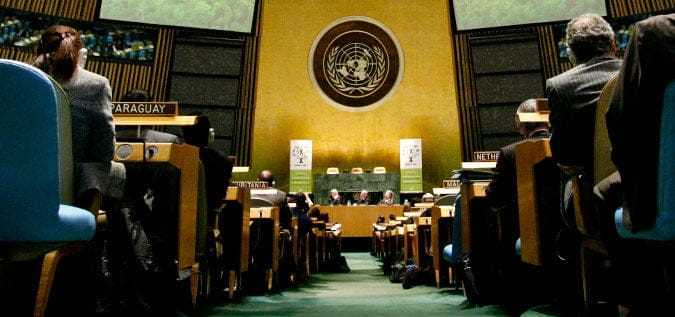
In a joint statement issued on the occasion of the 70th Session of the United Nations Commission on the Status of Women in New York, the Legal Resources Foundation, Musasa Project and Women and Law in Southern Africa reaffirmed “their collective commitment to advancing access to justice for women and marginalized communities in Southern Africa.”
The organisations noted that this year’s CSW theme focuses on “Ensuring and strengthening access to justice for all women and girls, by promoting inclusive and equitable legal systems, eliminating discriminatory laws, policies, and practices, and addressing structural barriers.”
They said access to justice in Zimbabwe “remains a critical challenge… particularly for women, girls, and rural and marginalized communities,” citing poverty, long distances to courts, limited legal literacy and under-resourced justice institutions as key obstacles.
The groups added that these challenges are compounded by “deeply entrenched gender norms, stigma, and fear of retaliation,” particularly in cases involving gender-based violence, domestic abuse, inheritance disputes and sexual offences.
Related Stories
“Despite constitutional guarantees, many women in Zimbabwe continue to face slow, inaccessible, and ineffective justice,” the statement said, highlighting systemic delays, secondary victimisation and limited access to affordable legal representation.
The organisations outlined their own interventions in bridging the justice gap, including free legal services, community-based paralegal support, survivor-centred responses to gender-based violence and advocacy for gender-responsive law reform and judicial accountability.
Calling on the CSW and the international community, they urged stronger support for legal aid systems in the Global South, investment in legal literacy and feminist legal reform, promotion of trauma-informed justice responses, and recognition of the role of civil society in expanding access to justice.
“Access to justice is not merely a legal issue: it is a prerequisite for equality, safety, and human dignity,” the statement read. “Without justice, women cannot fully enjoy their rights, participate equally in society, or hold institutions accountable.”
The organisations, reaffirming their commitment to ensuring justice noted “is not a privilege for the few, but a right enjoyed by all,” and called for tangible, resourced and measurable action to translate global commitments into practical change in Zimbabwe and across the developing world.




Leave Comments