









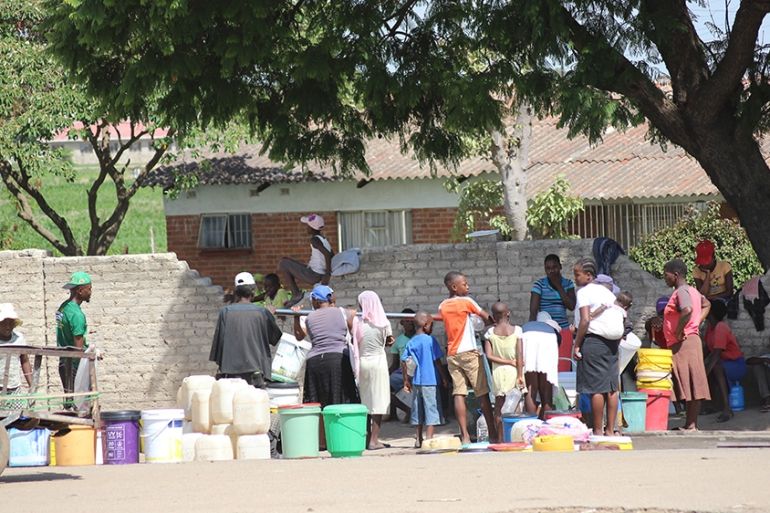
The silence of the night in Harare’s high-density suburbs is rarely peaceful. Long before the first light of dawn touches the rooftops of Budiriro or the dusty streets of Glen View, a different kind of noise begins. It is the rhythmic, hollow "clink-clank" of empty 20-litre plastic containers being dragged along the pavement. For the women of Zimbabwe’s capital, the day does not start with a cup of tea or a quiet prayer; it starts with a desperate, dark, and often dangerous race to the nearest community borehole.
For decades, the image of the Zimbabwean woman has been unfairly tied to the heavy yellow jerrycan balanced on her head. This is not a badge of honor, but a symbol of a broken system that has forced grandmothers, mothers, and young schoolgirls to become water scavengers. They navigate the shadows of the early morning, often facing the threat of harassment or physical violence, simply to secure enough water to flush a toilet or cook a basic meal. At the boreholes, the scene is often one of exhaustion and tension. Long queues snake around street corners, and "water cartels" sometimes demand bribes or favors just to allow a thirsty family a turn at the pump.
Related Stories
The struggle is not just physical, it is deeply emotional. The "water poverty" of Harare has meant that many women are forced to choose between hygiene and health. When the taps are dry, the risk of waterborne diseases like cholera and typhoid hangs over every household like a dark cloud. Mothers speak of the heartbreak of sending children to school unwashed or the constant back pain that comes from carrying hundreds of pounds of water every single week. This daily ordeal has stolen years of productivity, education, and rest from the city's female population.
However, a significant shift is finally taking place on the doorsteps of these very homes. The City of Harare, recognizing that the old way of managing water was failing its most vulnerable citizens, has entered into a transformative partnership to modernise the grid. This initiative focuses on the installation of smart prepaid water meters, a move designed to replace guesswork with precision and scarcity with a steady, managed flow.
At the heart of this technological revival is Helcraw Water (Pvt) Ltd. By partnering with the City Council, Helcraw is not just installing meters, they are spearheading the rehabilitation of the city’s aging infrastructure. The project includes a massive overhaul of the Morton Jaffray Water Works, replacing ancient, leaking pipes that previously allowed more than half of the city's treated water to bleed into the soil before reaching a single home. With the introduction of these smart meters, the era of the "estimated bill" where residents were charged for water they never received is coming to an end.
The response from the community has been a mixture of relief and cautious joy. Gladys Mutasa of Warren Park reflects the sentiment of many, noting that she has spent the better part of her adult life waiting in lines and that having a working tap would feel like a heavy weight finally being lifted from her head. For Nyarai Mudavanhu, a resident of Hopley who lives with a disability, the trek to the borehole was a nightmare of exclusion; she believes this partnership finally gives her back her dignity by bringing water directly to her doorstep.
In Budiriro, a mother known as Amai Chipo says that being able to sleep past 2:00 AM instead of rushing to a queue will change her life, allowing her to be a better mother and worker. Similarly, Mai Tineyi from Chitungwiza explains that the prepaid system allows her to care for her bedridden mother in law without the constant fear of the house running dry. Caroline Mutimbanyoka, a leader with the Women4Water movement, emphasizes that this partnership between the City Council and Helcraw Water is a vital step in ending the "water poverty" that has kept women economically stagnant for far too long.








Leave Comments