







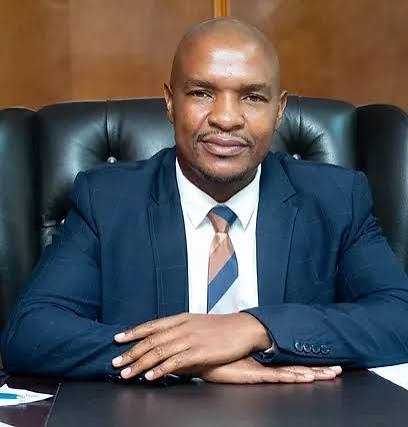
Transport and Infrastructural Development Minister Felix Mhona has conceded that the US$150 million allocated to his ministry in the national budget is insufficient to rehabilitate and maintain Zimbabwe’s major highways, prompting government to increasingly rely on Public-Private Partnerships to close the funding gap.
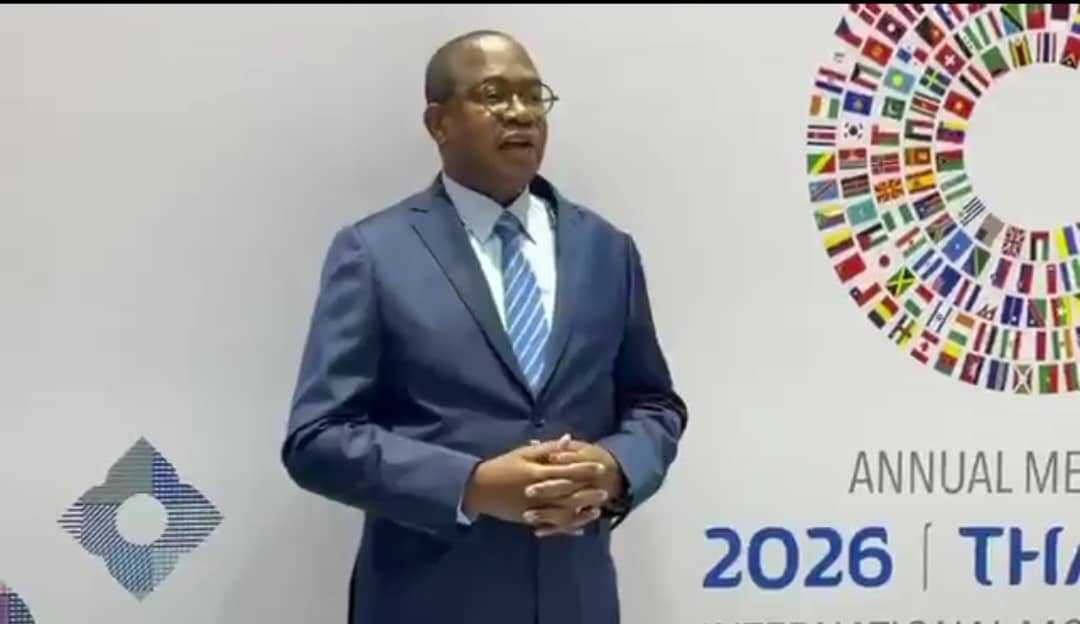
Responding to a question from Murewa South legislator Noah Mangondo in the National Assembly of Zimbabwe, Mhona said the allocation agreed during the budget debate falls well short of what is required to upgrade and preserve the country’s trunk road network, which links Zimbabwe to the region.
“When you were deliberating the national budget, what was then accorded to the Ministry in that regard was equivalent to US$150 million,” Mhona told lawmakers. “If you pick a particular stretch of a trunk road, that might be a third or so of the entire budget.”
He said the scale and cost of highway rehabilitation means Treasury funding alone is no longer viable, noting that a single major road project can quickly absorb a significant portion of the ministry’s annual allocation.
As a result, the ministry is expanding alternative financing models, including Build-Operate-Transfer (BOT) arrangements, loan facilities and PPPs, which Mhona said are already being deployed on key highways and selected border posts.
Related Stories
“The gap between what is required and what is available forces us to think differently,” Mhona said, adding that PPPs allow government to ease pressure on the fiscus while ensuring strategic transport corridors are upgraded to acceptable standards.
Under the emerging framework, major national highways would increasingly be financed and maintained through partnerships with the private sector, allowing the State to redirect limited public funds toward secondary and feeder roads, particularly in rural areas.
Mhona acknowledged persistent concerns over the poor condition of rural roads, which fall under the responsibility of his ministry, the Rural Infrastructure Development Agency (formerly the District Development Fund) and rural district councils.
He said improved coordination with local authorities, tighter monitoring of released funds and stronger accountability mechanisms would be essential to reversing the deterioration.
The minister also urged Members of Parliament to actively participate in council meetings to strengthen oversight and ensure funds disbursed through the Zimbabwe National Road Administration are used for their intended purpose.
Mhona said government has already begun implementing the PPP model and intends to scale it up as part of broader efforts to modernise Zimbabwe’s road infrastructure in an environment of constrained fiscal space.






Leave Comments