








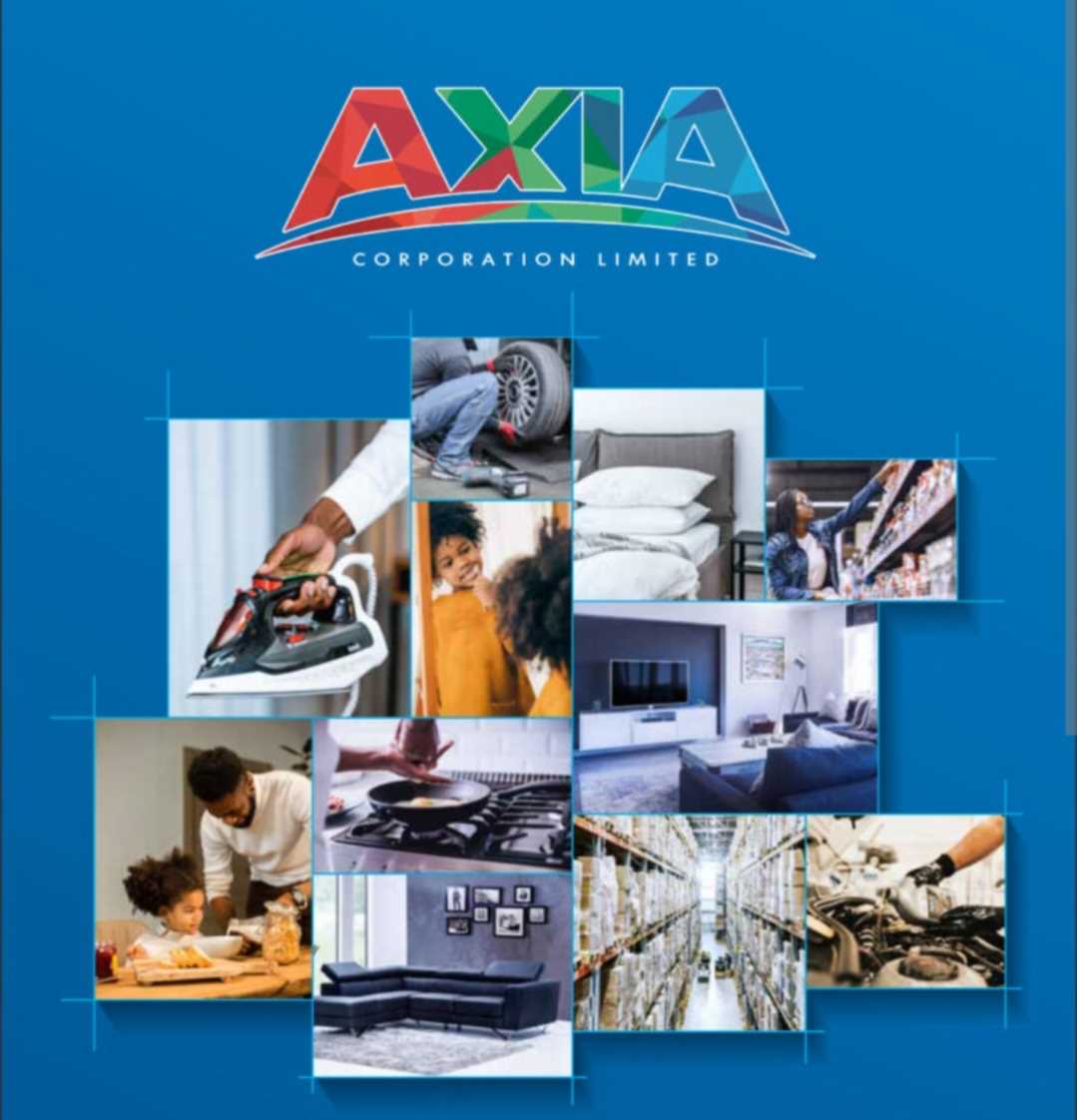
You wake up in the morning on a bed that may have been manufactured by Restapedic. You commute to work in a kombi that probably uses spare parts sourced from Transerv.
You walk into a supermarket to buy groceries that may have been transported by Distribution Group Africa. And if you decide to upgrade your television or fridge this year, chances are you might step into TV Sales & Home.
In many ways, Axia Corporation Limited is one of the most quietly embedded companies in Zimbabwe’s everyday economy. It operates in places people interact with daily — homes, vehicles and retail shelves — yet many consumers never realise the business connections behind those experiences.
The company, listed on the Victoria Falls Stock Exchange under the ticker AXIA.vx, recently released its half-year results for the six months ended 31 December 2025. Behind the corporate language and financial statements lies a story that retail investors may want to pay attention to.
Axia reported revenue of US$122 million, a 22 percent increase from US$99.7 million during the same period last year. Profit before tax rose 28 percent to US$8.8 million, while operating cash flow increased sharply to US$11.7 million, up 239 percent from US$3.4 million.
Despite Zimbabwe’s ongoing economic challenges — including currency volatility, tight liquidity and high interest rates — the results show that consumer demand remains active. Zimbabweans are still buying furniture, appliances, spare parts and groceries, especially during peak seasons linked to mining and agricultural incomes.
While revenue and profit grew strongly, operating profit before depreciation increased more modestly to US$15.3 million. This indicates that Axia is growing largely through increased sales volumes rather than significantly higher prices, which is typical for retail and distribution businesses that rely on high volumes and relatively thin margins.
One of the most notable figures in the results was the surge in operating cash flow. The sharp increase suggests strong festive season sales, improved working capital management and faster inventory turnover. For investors, strong cash generation is often considered a key indicator of business health.
Related Stories
The company’s balance sheet also improved. Borrowings declined 34 percent, from US$15.9 million to US$10.6 million, reducing exposure to Zimbabwe’s high interest rate environment. Meanwhile, total assets rose to US$131.8 million, while shareholder equity increased five percent to US$28.9 million.
Axia’s operations are spread across three main divisions, each reflecting different parts of the economy.
Retail chain TV Sales & Home delivered strong performance, with volumes rising 37 percent and revenue increasing 29 percent. The business sells household goods such as beds, refrigerators, televisions and lounge furniture. However, the company’s credit book grew 70 percent, indicating that many customers are buying goods through credit rather than paying cash. While this helps boost sales and expand access to customers, it also introduces repayment risks.
On the manufacturing side, Restapedic — which produces bedding and lounge furniture — recorded 26 percent growth in bedding volumes and 29 percent revenue growth. Local manufacturing allows Axia to control quality and reduce reliance on imports, although the business still faces challenges such as timber shortages and currency-related input costs.
The automotive parts division, Transerv, reported 16 percent volume growth and eight percent revenue growth. The results highlight Zimbabwe’s ageing vehicle fleet, where older cars require more frequent maintenance and spare parts.
Meanwhile, Distribution Group Africa, the company’s logistics and distribution arm, posted strong expansion in Zimbabwe, with volumes increasing 44 percent and revenue rising 39 percent. The division distributes major international brands including Unilever, Colgate, Kellogg's and Pepsi. However, the division also recorded a US$1.8 million credit loss provision, reflecting challenges faced by some customers.
During the half year, Axia invested US$1.5 million in capital expenditure, mainly in new retail stores, operational improvements and logistics infrastructure. Future capital commitments stand at US$4.3 million, indicating cautious but steady expansion.
Although Axia is not a high-tech company or a fast-growing startup, it represents something more fundamental. Its operations sit within the daily infrastructure of Southern Africa’s consumer economy — from furniture and vehicle parts to retail distribution networks.
The latest results suggest a business benefiting from the resilience of everyday economic activity, as Zimbabweans continue furnishing homes, repairing vehicles and purchasing groceries.
As long as those activities continue, companies like Axia are likely to remain quietly at the centre of the economy.









Leave Comments