









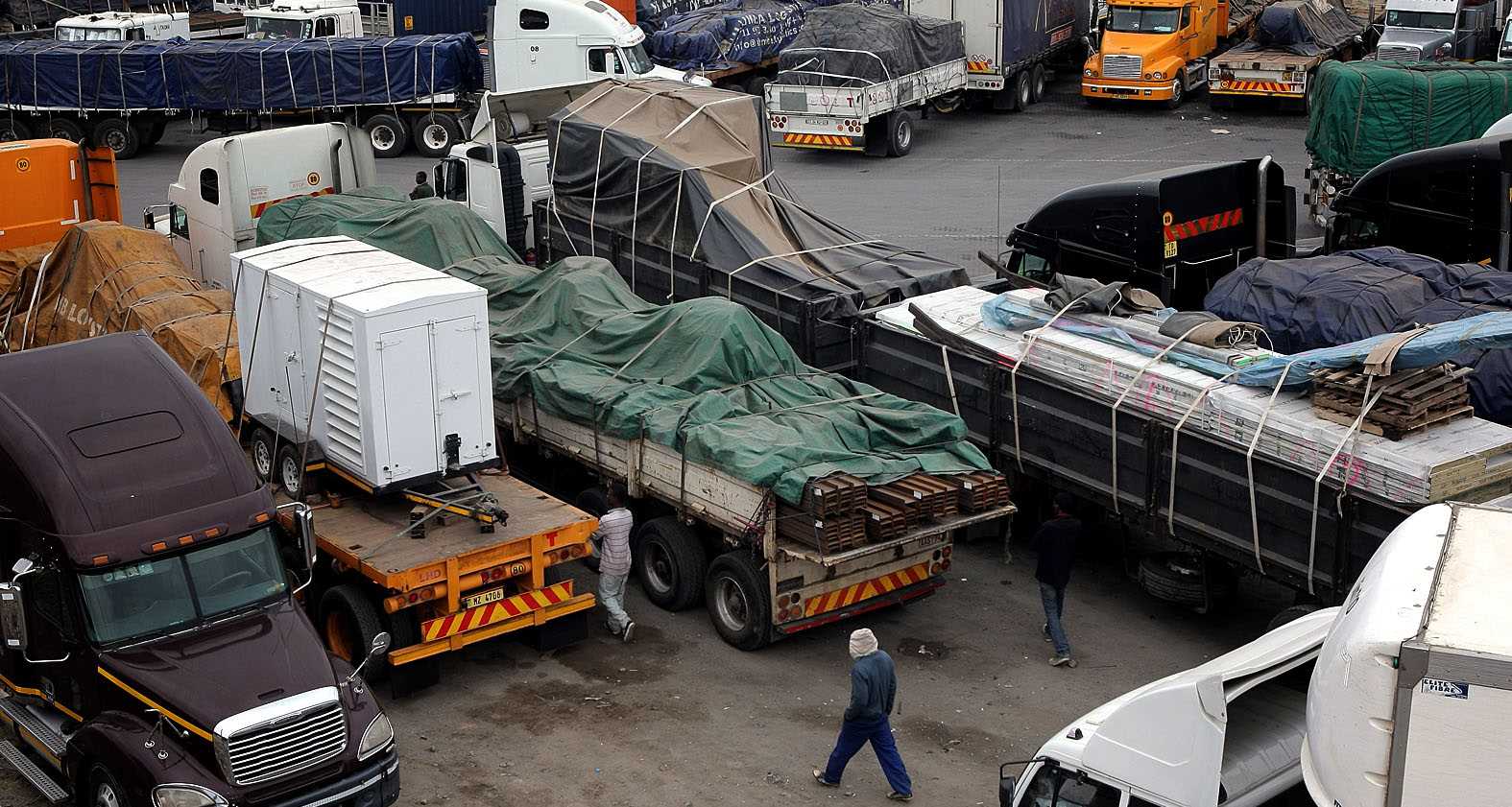
Traders moving goods through Zimbabwe’s borders are facing high and often unpredictable costs, a new Border Efficiency Management System report by the National Competitiveness Comission has revealed, raising concerns about the country’s ability to compete in regional and global markets.
The report shows that border charges—both official and informal—are significantly increasing the cost of doing business, particularly at key entry points such as Beitbridge, Forbes and Chirundu.
At Beitbridge, Zimbabwe’s busiest border post, traders are paying some of the highest fees. The study found that border access charges alone average US$780, forming the largest share of total costs. Additional expenses come from inspection fees, scanning charges, and other statutory payments required by multiple agencies operating at the border.
The NCC notes that these costs are worsened by delays and inefficiencies in the system, which force transporters to spend more on food, accommodation, and storage while waiting for clearance.
Informal payments are also a major concern. According to the report:
“Facilitation fees (up to USD100), mainly associated with attempts to bypass lengthy queues, expedite customs release, or obtain preferential treatment from officials, are common at Beitbridge.”
It adds that: “The prevalence of such informal payments reflects systemic inefficiencies and inadequate monitoring mechanisms, which compromise transparency and competitiveness.”
At Forbes Border Post, the situation is similarly costly. The report highlights that multiple agencies are charging overlapping fees, pushing up the total cost of clearing goods.
Related Stories
“Other fees contribute above 50% to total cost, showing multiplicity of agencies conducting similar checks and issuing several permits per consignment.”
Clearing agents are also adding to the burden, charging between US$50 and US$250 depending on the type of cargo, further increasing expenses for traders.
At Chirundu, which operates under a One Stop Border Post system meant to streamline processes, traders are still facing high costs driven by delays and system failures.
The report states: “Other fees (EMA, Plant Quarantine permits, National Biotechnology approvals, and Radiation Protection clearances amounting to USD127) remain high, further inflating total transaction expenses for cross-border traders.”
Despite the one-stop model, inefficiencies persist. The report explains that delays linked to system downtime and poor coordination between Zimbabwean and Zambian authorities are creating opportunities for corruption.
“Such inefficiencies often create opportunities for informal payments (bribes), as traders seek to expedite the clearance process.”
Overall, the BEMS study paints a picture of a fragmented system where traders must deal with multiple agencies, repeated inspections, and inconsistent processes, all of which add to the final cost of goods.
The report warns that these high costs are not just a burden for businesses but a threat to the country’s competitiveness. Increased transaction costs reduce profit margins for exporters, make Zimbabwean goods more expensive in foreign markets, and discourage investment.
To address these challenges, the report calls for reforms including reducing the number of agencies at borders, improving coordination, strengthening monitoring systems, and increasing automation to limit human interaction and opportunities for informal payments.








Leave Comments