








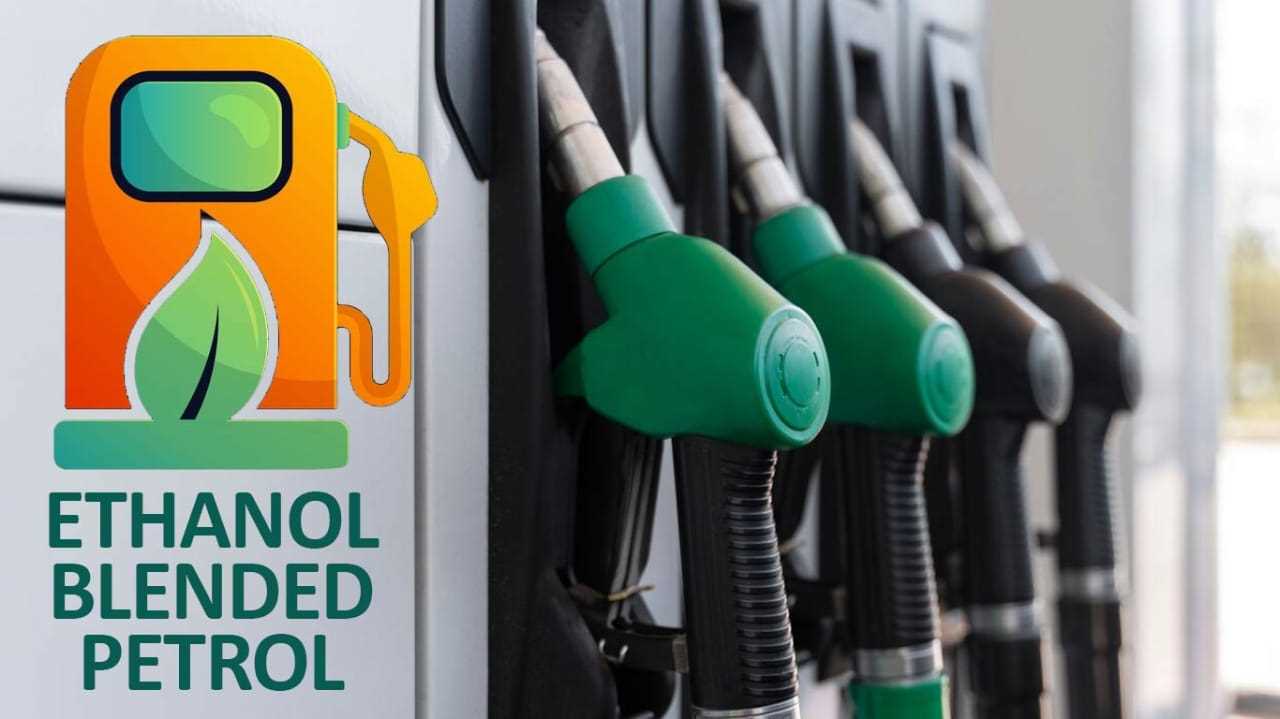
Zimbabwe is preparing for a subtle but significant change at the pumps: the move from E05 to E20 petrol blending. The shift is more than a technical adjustment—it is emerging as a strategic response to global fuel instability, rising costs, and the pressing need to secure domestic energy supply.
Finance Minister Mthuli Ncube says authorities are already tweaking taxes and levies to cushion fuel prices, while exploring higher ethanol blends as a longer-term stabilisation measure. “Increasing blending from E5 to E20 could help lower costs while ensuring adequate supply in the months ahead,” he told Zim Now.
Industry and Commerce Minister Mangaliso Ndlovu echoed the cautious optimism, noting that basic commodity prices have remained relatively stable despite international pressures. “Bread has risen by only about 10% and transport costs have seen limited increases,” he said, crediting government efforts to contain fuel price volatility.
At the heart of this policy is ethanol, a locally produced biofuel derived largely from sugarcane. By increasing ethanol content in petrol, Zimbabwe can reduce reliance on imported fuel—a critical advantage amid global supply disruptions.
Why E20 Matters
The global fuel market has been rattled by conflicts and shipping disruptions, leaving countries like Zimbabwe vulnerable to price shocks. By blending petrol with more ethanol, part of the fuel consumed is produced domestically, creating a buffer against these fluctuations.
Increasing the blend from 5% to 20% effectively stretches existing petrol supplies. For policy makers, this is a strategic move to maintain energy security. For motorists, however, the benefits may not be as straightforward.
The Motorist’s Dilemma
Ethanol contains about a third less energy per litre than petrol. This means that with E20, vehicles may experience a drop in fuel efficiency, estimated at 5–10%. Drivers may need to refill more frequently, which could offset any savings at the pump. For commuters and transport operators covering long distances daily, the financial impact could be significant.
Related Stories
Complicating matters further is Zimbabwe’s aging car fleet. Many vehicles on local roads are older imports, mostly from Japan, not designed for higher ethanol blends. Ethanol can absorb moisture and corrode certain materials in older fuel systems, potentially leading to injector clogging, fuel line deterioration, or leaks over time.
Newer vehicles designed for E20 face minimal risk, but for the majority of Zimbabwean motorists, adapting to higher ethanol content may bring additional maintenance costs—an important consideration in a country where spare parts are already expensive.
Performance and Environmental Trade-Offs
Despite these challenges, E20 offers tangible benefits. Ethanol’s higher octane rating can reduce engine knocking, sometimes improving combustion efficiency. It also produces fewer greenhouse gas emissions than pure petrol, aligning with climate-conscious policies.
However, some drivers with older engines may notice reduced power output or rougher performance, particularly during cold starts—a reality observed in other markets transitioning to higher ethanol blends.
There are also agricultural and environmental considerations. Ethanol production requires significant water and land, primarily from sugarcane cultivation. Expanding ethanol output could place additional strain on already scarce water resources, linking fuel policy directly to broader debates on irrigation, climate resilience, and resource management.
A Policy at the Crossroads
Zimbabwe’s move from E05 to E20 sits at the intersection of energy security, economics, agriculture, and climate strategy. It is a policy shaped by global crises, including disruptions in the Middle East that ripple all the way to Harare. For government, E20 represents a tool to reduce dependence on imported fuel and stabilise supply. For motorists, it raises immediate questions about fuel costs, vehicle performance, and long-term maintenance.
The success of this policy, therefore, will depend not just on the pump price but on whether the savings outweigh the hidden costs of more frequent refuelling and vehicle upkeep.
In the end, E20 is more than a blend—it is a test of how Zimbabwe navigates global shocks while keeping the wheels of the local economy and the everyday motorist moving forward.








Leave Comments