







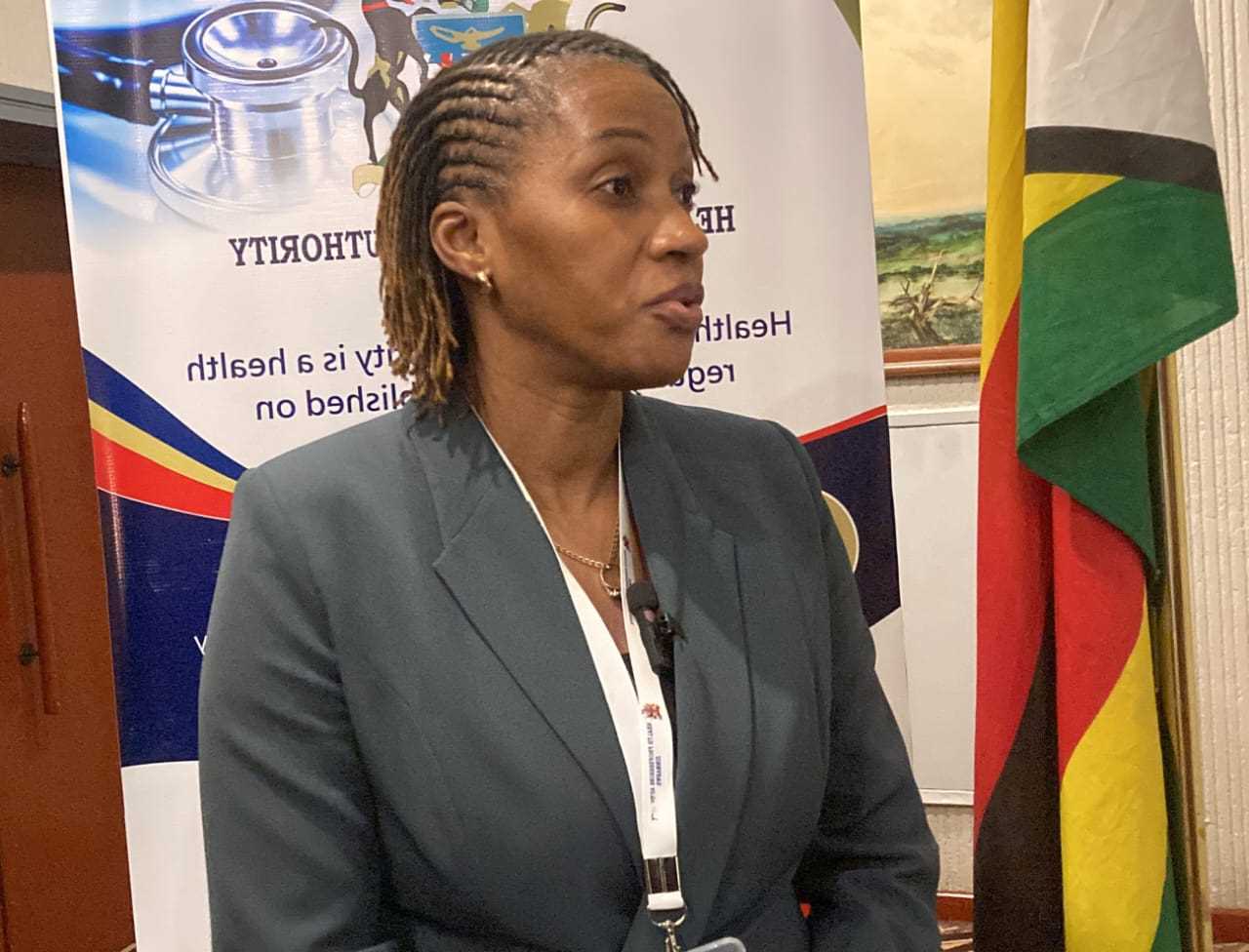
Zimbabwe has officially launched a National Bridging Workshop in Kadoma to better link human, animal, and environmental health services.
This move follows years of poor coordination that have weakened the country's ability to track and stop disease outbreaks.
The new initiative signals a shift toward an integrated “One Health” model, though authorities admit that structural problems like low funding, poor data systems, and a lack of teamwork between institutions still put the public at risk.
The workshop brings together experts to evaluate how different sectors collaborate across sixteen key areas, including laboratory systems, staff development, and emergency plans. In the past, a lack of communication between government ministries has caused significant delays in spotting outbreaks. This fragmentation is especially visible in rural districts, where veterinary services and public health clinics often operate with very little interaction.
Related Stories
The Ministry of Health stated that the project aims to strengthen “national coordination and operational activities for a more resilient health security framework,” highlighting a policy shift away from working in silos. However, turning these plans into real results remains a difficult task. At present, it takes Zimbabwe between seven and fourteen days to respond to an outbreak, whereas international best-practice benchmarks suggest a response within 48 to 72 hours is necessary to contain a disease and reduce economic losses.
Diseases that jump from animals to humans, known as zoonotic diseases, remain a major threat to the nation. Globally, about 60 percent of new infectious diseases start in animals, and Zimbabwe frequently deals with outbreaks of anthrax, rabies, and foot-and-mouth disease. In 2023 alone, anthrax outbreaks hit several provinces, which exposed clear weaknesses in cross-sector surveillance and showed how slow reporting between veterinary and human health systems can have serious consequences.
Financial hurdles continue to limit the success of these health initiatives. Zimbabwe’s public health spending currently sits between 10 and 12 percent of the national budget, which is below the 15 percent goal set by the Abuja Declaration. Veterinary services face even tighter budgets, raising concerns about whether the One Health framework can be maintained without constant support from international partners like the WHO and FAO.
Another critical gap is the lack of integrated data. Currently, the digital information systems used by doctors and vets are disconnected, which prevents them from sharing data in real-time or making coordinated decisions. Countries that have successfully linked these platforms have managed to reduce the time it takes to detect an outbreak by 20 to 30 percent.








Leave Comments