









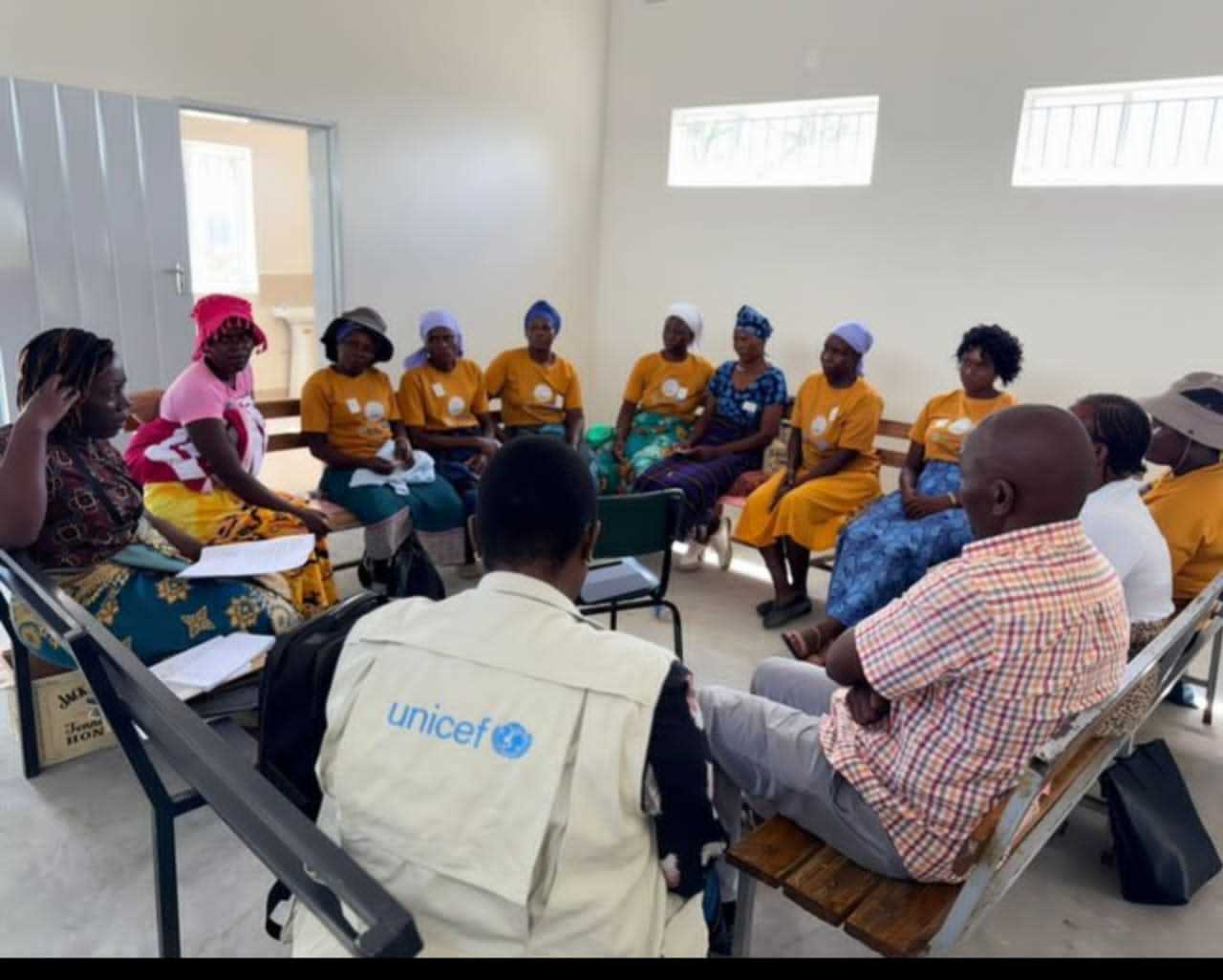
Zimbabwe is recalibrating its rural health strategy by shifting the focus from centralized clinical delivery to the behavioral infrastructure of the household, using Mutoko District as a primary research hub for neonatal survival.
This pivot, led by UNICEF Zimbabwe in collaboration with Zvitambo and the Ministry of Health and Child Care, aims to bridge the gap between vaccine availability and community uptake by treating the caregiver’s knowledge as a critical medical asset. The initiative addresses a persistent public health paradox where, despite the availability of antigens, long-term health outcomes remain tethered to the nutritional and social conditions of the first six months of life.
The program moves beyond traditional health promotion by "supporting exclusive breastfeeding through research with Village Health Workers and mothers," identifying the specific socioeconomic bottlenecks that prevent rural families from adhering to World Health Organization standards.
Related Stories
By embedding researchers within the community, the partners have determined that "healthy beginnings start with informed caregivers," an acknowledgment that the biological efficacy of any medical intervention is contingent upon the domestic environment. This data-driven approach frames "a baby’s first immunisation" not as an isolated clinical event, but as a strategic milestone in "protecting health and strengthening communities" through the integration of nutrition and immunology.
However, the transition from clinical intent to community-wide compliance faces structural limitations, including the labor demands of rural agriculture and the distance to health facilities, which often force a trade-off between economic activity and optimal childcare. By framing the intervention around the "forever child" concept, the strategy seeks to create a sustainable cycle of health that reduces the "logistical cost of care" for marginalized populations.
The success of the Mutoko model depends on government’s ability to institutionalize this caregiver-centric research, ensuring that the frontline of Zimbabwe’s healthcare system begins not at the clinic door, but within the informed agency of the home.








Leave Comments