








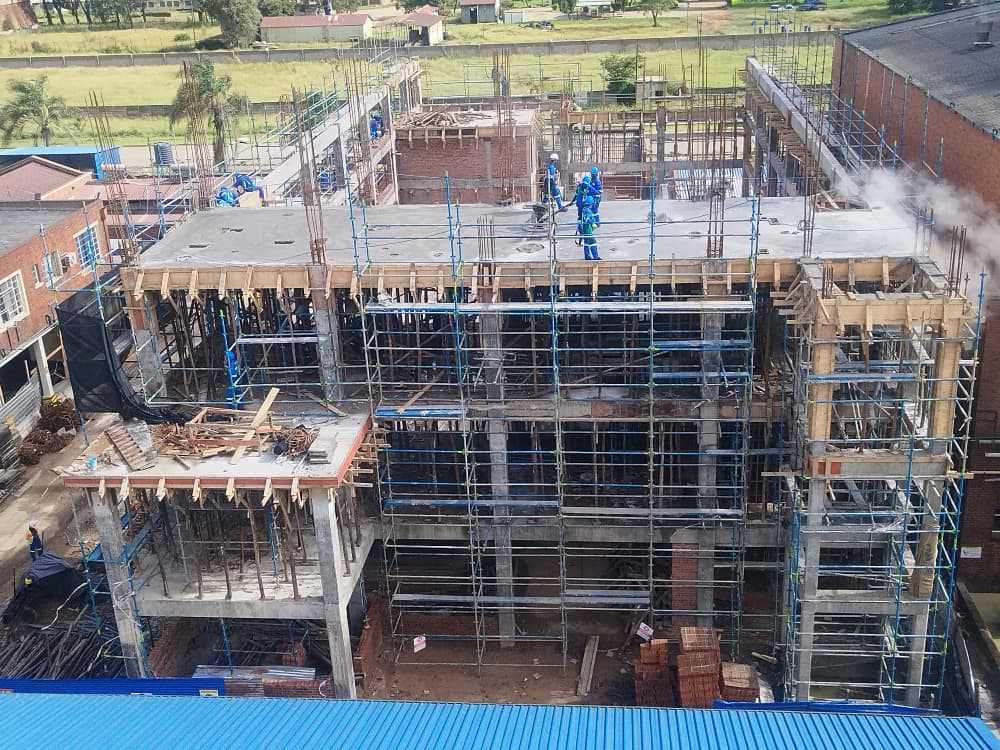
Delta Beverages is nearing completion of its US$35 million Bulawayo Lagers Belmont Brewhouse Project, with equipment installation set to begin soon as the company moves toward operationalising additional brewing capacity. The investment comes at a time when Zimbabwe’s manufacturing sector is gradually recovering, with capacity utilisation averaging 50–60 percent in recent years.
The Ministry of Industry and Commerce linked the project to broader policy objectives, stating it is “advancing national development priorities” and will “enhance the growth of local supply chains” while supporting value addition and beneficiation. The emphasis on supply chains reflects the government’s strategy of leveraging established firms to stimulate activity across agriculture and manufacturing.
Delta remains the dominant player in Zimbabwe’s beverages sector, with an estimated 85–90 percent share of the lager beer market and extensive distribution networks. Its total production capacity is estimated at over 3 million hectolitres annually, and the Bulawayo expansion is expected to improve efficiency, reduce logistics costs, and strengthen supply reliability, particularly in the southern region.
Related Stories
The project’s strongest impact is likely to be felt in agriculture. Delta sources raw materials such as sorghum, sugar and maize locally, working with more than 10,000 contracted smallholder farmers.
Annual sorghum uptake has exceeded 100,000 tonnes, making the company a key off-taker in Zimbabwe’s agricultural value chain. Increased brewing capacity could provide more stable demand for farmers, although this will depend on production levels and seasonal output.
Employment effects are expected across both direct and indirect channels. While beverage production is relatively capital-intensive, the broader supply chain—including farming, transport, and distribution, offers wider opportunities for job creation and income generation. For Bulawayo, a city seeking to rebuild its industrial base, the project contributes to ongoing efforts to restore manufacturing activity.
At the same time, the project’s long-term impact will depend on operating conditions, including energy reliability, access to foreign currency for inputs, and consumer demand in a constrained economic environment. Sustained gains will likely require complementary investments and policy support to ensure that capacity expansion translates into higher output and stronger industrial linkages.










Leave Comments