









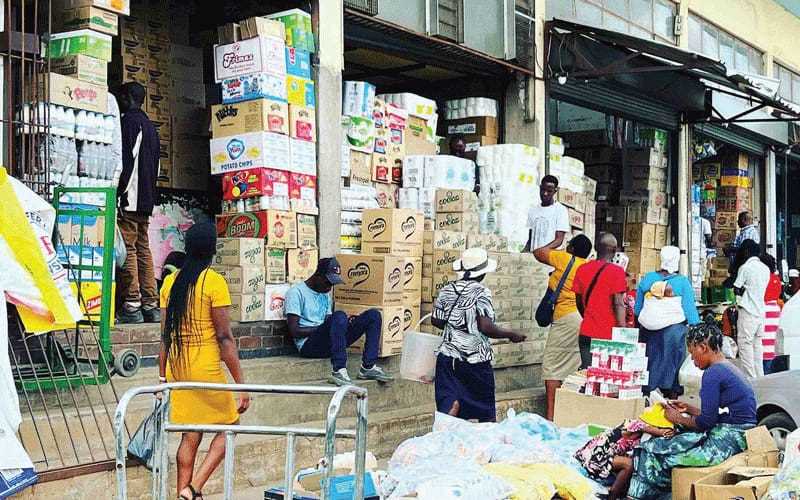
Zimbabwe’s push to formalise its vast informal economy is increasingly being tested on whether it can deliver tangible social protection and economic recognition for millions of workers operating outside formal systems.
The recently approved Formalisation Strategy is expected to bring informal traders, vendors, and small-scale operators into the formal economy, but concerns are emerging over whether the policy framework adequately addresses welfare gaps and unpaid labour.
Stakeholders in the informal economy argue that formalisation must go beyond registration and taxation to include social safeguards. The Vendors Initiative said the strategy must ensure “the extension of social protection to the informal sector, along with the recognition and rewarding of Unpaid Care and Domestic Work,” highlighting long-standing inequalities affecting informal workers, particularly women.
Related Stories
Zimbabwe’s informal sector accounts for over 70–80 percent of total employment, according to labour estimates, yet the majority of these workers lack access to pensions, health insurance, or income protection. Women dominate segments such as vending and cross-border trade, while also carrying a disproportionate burden of unpaid care work, which remains unaccounted for in national economic output.
Current social protection coverage remains limited, with fewer than 20 percent of informal workers accessing any form of formal safety net. This gap raises questions about the sequencing of reforms, as efforts to expand the tax base without parallel social protection measures risk deepening vulnerability rather than reducing it.
The recognition of unpaid care and domestic work is increasingly being framed as a critical component of inclusive economic policy.
Globally, unpaid care work is estimated to contribute the equivalent of 9–15 percent of GDP if monetized, yet it remains largely invisible in policy frameworks. In Zimbabwe, this burden falls heavily on women, constraining their participation in higher-value economic activities and limiting income growth.










Leave Comments