









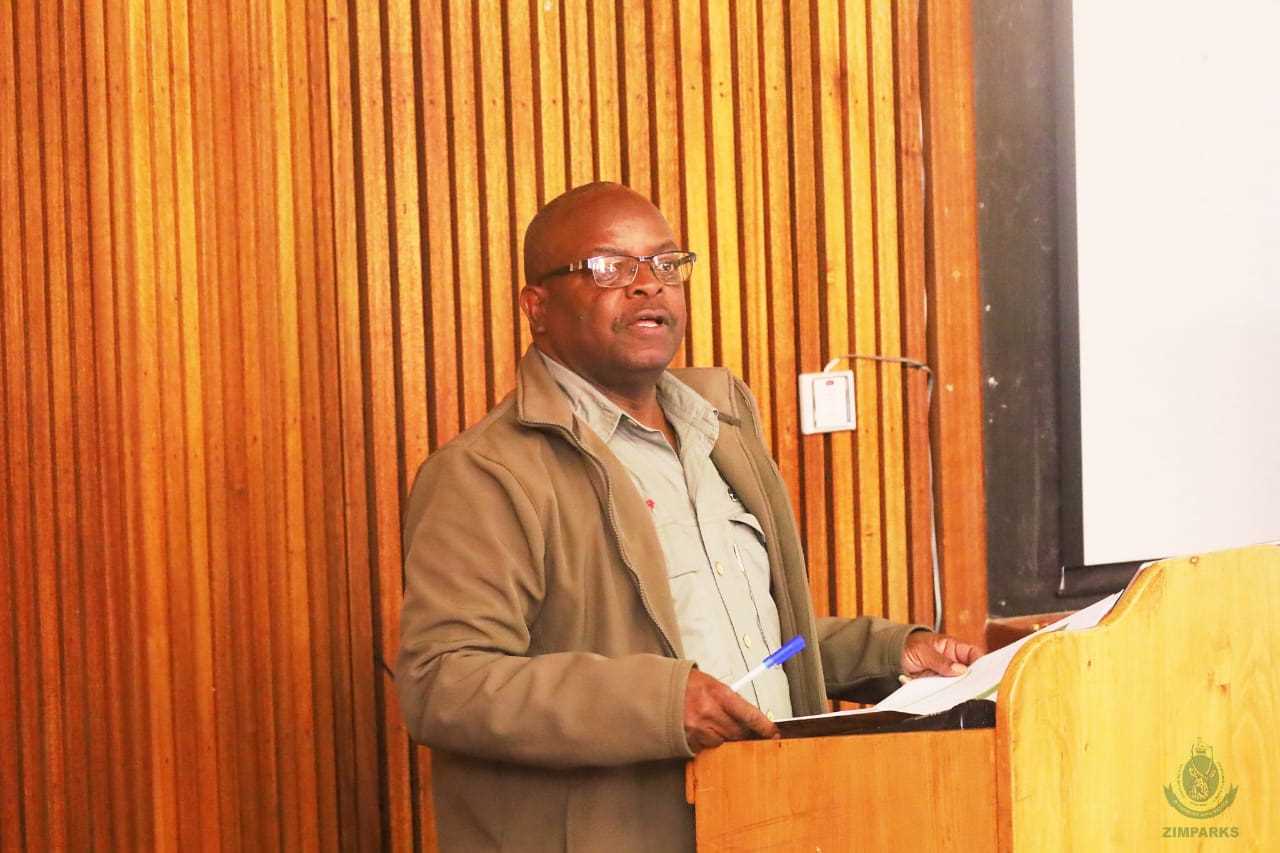
Zimbabwe has taken a step toward overhauling management of its protected areas through a joint validation process covering Lake Kyle Recreational Park, Nyanga and Chimanimani National Parks, as well as Eland Sanctuary, Haroni and Rusitu Botanical Reserves.
The initiative comes as conservation authorities confront mounting pressures from climate change, biodiversity loss, and increasing human activity around protected zones.
The exercise, conducted by ZimParks in partnership with the French Development Agency and Bridlife Zimbabwe, is designed to refine a 10-year management framework (2026–2036) that integrates biodiversity protection, tourism development, community outreach, and park administration. The approach reflects a shift toward multi-sector planning, where conservation outcomes are increasingly tied to tourism revenue and community engagement.
ZimParks said the validation process is intended to ensure that management plans “address conservation and management gaps” and feed into “four interlinked programmes” covering ecosystem management, tourism, outreach, and administration, highlighting the need for coordinated responses to complex environmental challenges.
Related Stories
The targeted parks face a range of escalating threats. Human-wildlife conflict has intensified in buffer communities, while uncontrolled veld fires and invasive species continue to degrade ecosystems. Encroachment from livestock grazing and informal settlements has further strained protected areas, reducing biodiversity and undermining conservation efforts. Climate change is compounding these pressures, with rising temperatures and shifting rainfall patterns affecting habitats and water availability.
Tourism remains a critical economic pillar for Zimbabwe’s conservation model, contributing significantly to foreign currency earnings, yet it is highly dependent on the ecological integrity of these parks. Weak management frameworks and underfunding have historically limited the sector’s potential, with some protected areas operating below capacity due to infrastructure gaps and environmental degradation.
The 10-year planning horizon signals an attempt to move from reactive conservation toward long-term ecosystem management.






Leave Comments