







Buyer says they discovered eviction order after paying for stand
A former Stoneridge resident who lost their home in the latest demolitions says the people who sold disputed land to residents must be held accountable instead of hiding behind politics after collecting thousands of dollars from desperate home seekers.
The person who said they do not want to be identified as they fear violent victimisation, told Zim Now they only discovered after paying for their stand in 2022 that the property was under an eviction order and belonged to a Chinese investor with title deeds.
By then, they had already paid for land in a settlement where stands were being sold for between US$4,000 and US$6,000 for 150 to 300 square metres.
When she tried to reverse the transaction and recover her money, she said the seller, one of the people cited in court papers as original invaders, assured her that the property owner would never succeed in evicting them.
“Vakati muChina haambotibvisa pano. Zvekuti ane matitle deeds hazvina basa izvo. Hurumende inotipa ivhu isu vana vemuno,” she said.
‘We believed these people’
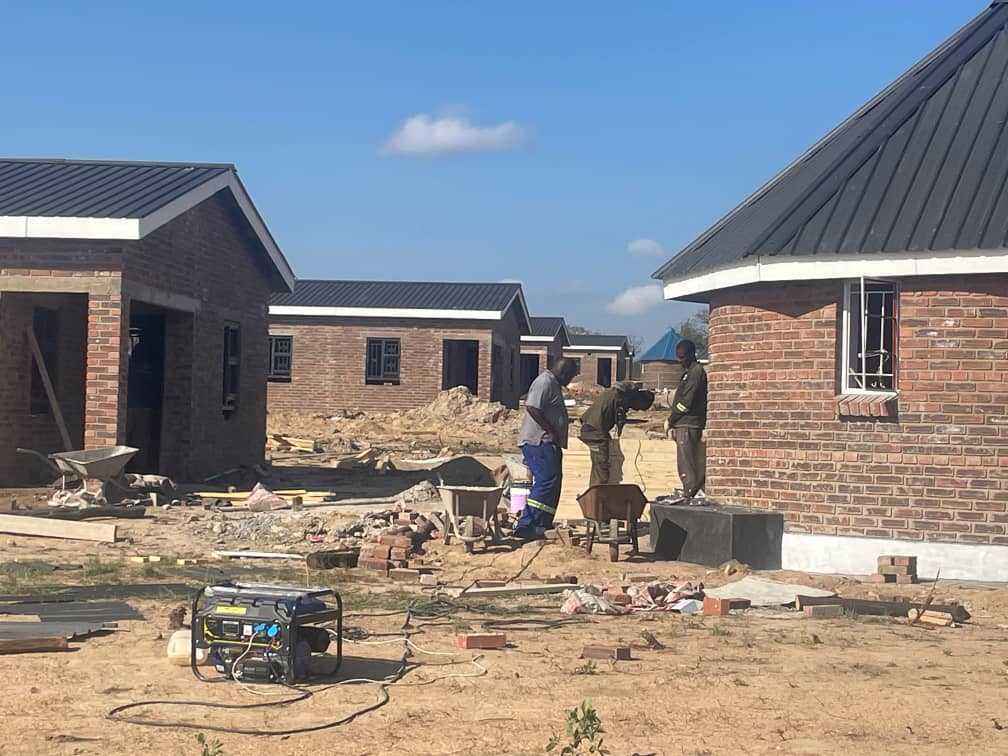
The person said they hesitated to build properly at first because of the court dispute, but later changed her mind after seeing more people moving in, stands still being sold and some residents putting up permanent structures.
“I thought maybe they knew something that I did not know. Although the eviction notices came, they were ignored. People were building, stands were still being sold, and the leaders kept on assuring us that the settlement would be regularised,” they said.
Residents were also allegedly made to pay levies ranging from US$300 to US$600 per stand for road construction, sewerage and power supply.
They were reportedly told the payments were necessary to prepare the settlement for eventual title deeds.
Now, after the demolitions, the person says those who sold the land are not offering compensation.
Instead, they said a local politician advised affected residents to remain at the site so that their continued presence would attract media attention and embarrass Government into compensating them.
“We are suffering. We believed these people. But now we have lost everything. The people who sold us the land knowing it was illegal must give us back our money. Some of them took our money and invested in secure places. They must sell those properties and refund our money,” the person said. They alleged that some of the land barons had sold over 20 stands each.
From factory to settlement
Her account adds a new layer to the Stoneridge demolition saga, where a privately owned industrial property was allegedly invaded, parcelled out, sold to home seekers and partly converted into an unregistered school while legal proceedings were already underway.
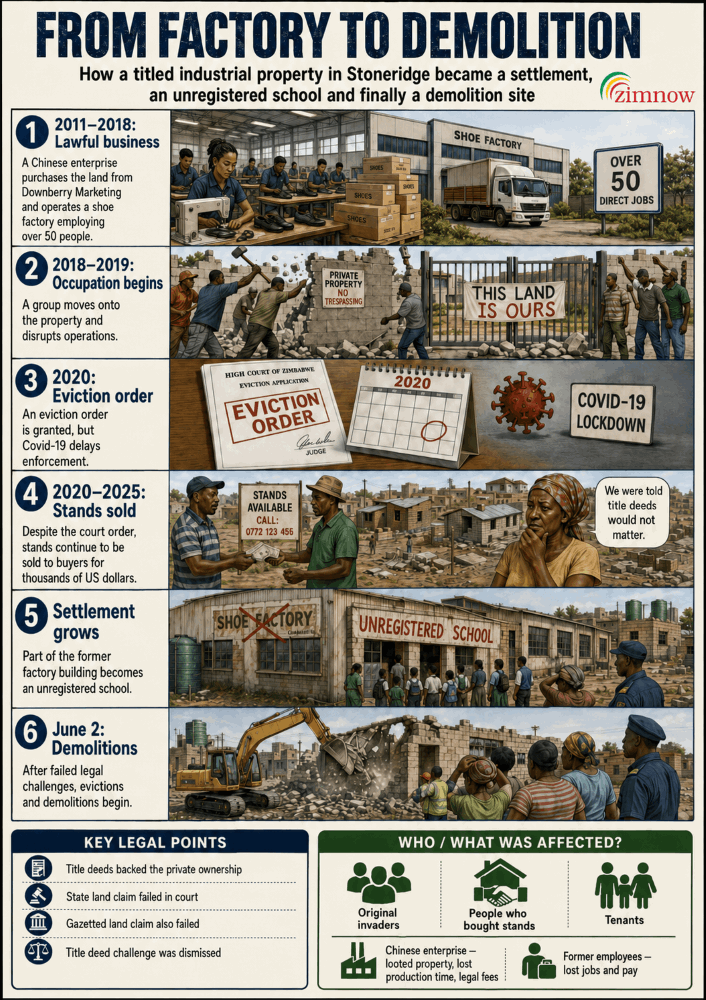
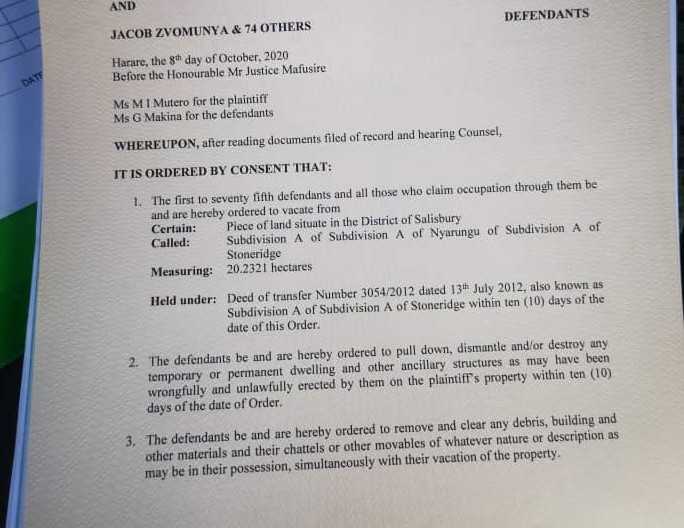
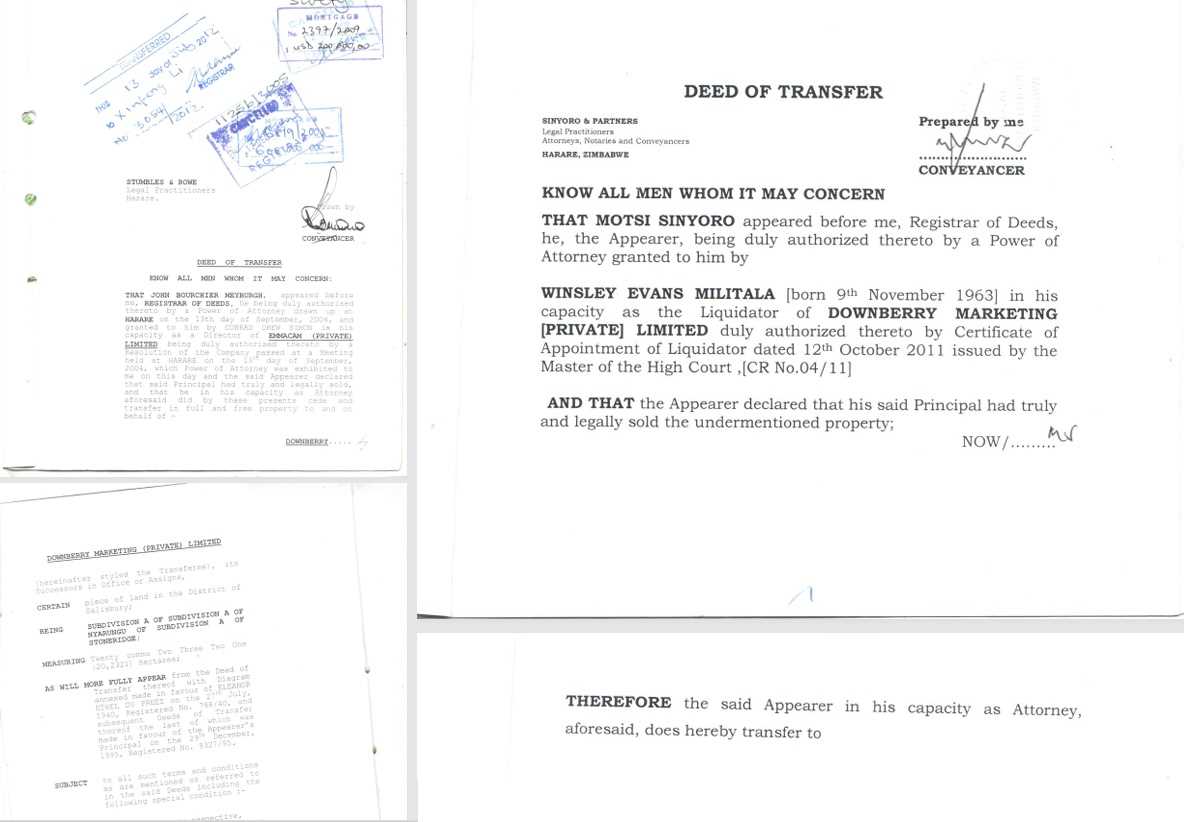
The 20-hectare property belongs to a Chinese national, who acquired it in 2011 through a private sale backed by title deeds.
According to Taru Innocent, executive assistant to the property owner, the land had previously been mortgaged to a bank after the former owner, Mayberry Marketing obtained a loan. When the loan was not serviced, the bank seized and sold the property.
Downberry later used the property for business operations, including shoe manufacturing and hardwood timber distribution.
Between 2012 and 2018, the operation directly employed more than 50 people and supported other businesses in the footwear and timber value chains.
How the occupation began
Innocent said the dispute began in 2018 when the group of people identifying themselves as war vets demanded access through the premises to Seke Road.
When the request was denied, the group allegedly pulled down prefabricated walls and created its own route through the property.
Related Stories
In 2019, more than 20 people, including some from the earlier group, were allegedly found holding a meeting inside the premises.
“When approached by one of the workers, they said this is our land, we are moving in,” Innocent said.
The company reported the matter to Southlea Police Post, but the occupation continued. The original legal report of trespass then became a long eviction battle.
The occupiers allegedly closed the gate, denied employees access and disrupted operations. Taru said the company had to rescue what stock and machinery it could salvage, after looting began, including shoes that had already been manufactured and were awaiting distribution.
Workers were reportedly paid for some time despite not working, before contracts were later terminated when enforcement of the eviction order was delayed during Covid-19 lockdown restrictions.
During that period, the original group allegedly grew to 74 occupiers who began parcelling out the land and selling stands to others.
Some open spaces were developed into structures and rented out, while part of the property was converted into what the owners describe as an unregistered school.
The company says it has spent about US$100,000 in legal costs.
Legal challenges failed
After lockdown restrictions were lifted, eviction notices were re-served.
The occupiers challenged the process, claiming the property was State land and presenting an offer letter allegedly signed by then Local Government, Public Works and National Housing Minister Saviour Kasukuwere. The court dismissed the document after the ministry stated on record that it had no knowledge or record of the letter.
The occupiers then mounted another challenge, claiming the land had been gazetted. That challenge also failed after the Surveyor General’s office confirmed that while some areas in Stoneridge are gazetted, this particular property was not.
The order to vacate was never overturned. In early 2024, the final legal challenges to the company’s access were dismissed. In 2025, the occupiers again challenged the title deed, claiming it was fake, but the court dismissed the challenge.
Notices served before demolition
The affected people were served with fresh notices to vacate on two separate occasions. “On the first day, we served those cited on the court papers. But on the day of serving, we realised there were more people. We ended up giving everyone we saw, to make sure everyone received the notification,” Taru said.
The sheriff later sought police escort. Evictions began on June 2.
Who pays for the damage?
The case has exposed the layered tragedy of Zimbabwe’s urban land chaos: a factory was pushed out, workers lost jobs, buyers built on disputed land, tenants rented illegal structures, and children were reportedly learning at an unregistered school inside a property that courts had already ordered to be vacated.
For residents who bought stands, the pain has landed at their doorsteps.
But the person who spoke to Zim Now says the deeper scandal lies with those who kept selling land they did not own, while encouraging buyers to believe that title deeds, court orders and eviction notices would somehow not matter.
“Dai maland barons vachisungwa vofira mujeri havo. Vatishungurudza!” the person lamented.
Jacob Zvomunya and 74 others are currently out on bail after being charged over the matter.








Leave Comments