







For every generation, there is a style that surprises people.
Once upon a time it was men wearing wigs. Before that it was men adorning themselves with jewellery and elaborate garments. In the 1970s and 1980s it was flared trousers, platform shoes and brightly coloured suits.
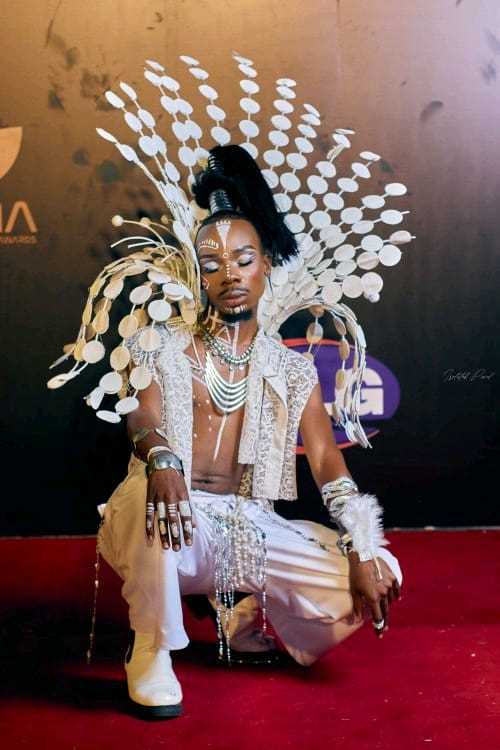
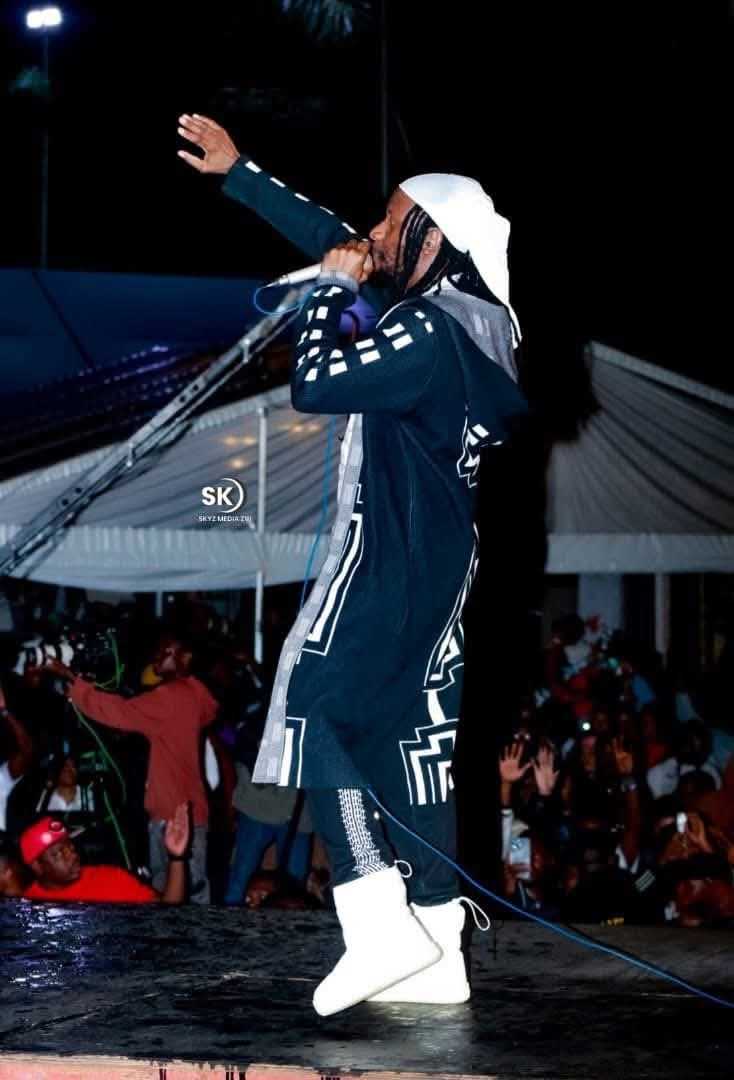
Today, it is earrings, makeup, painted nails, jewellery, unconventional silhouettes and heel-like footwear.
Yet history suggests that what society often calls new is frequently a reinvention of something that has existed before.
Across Zimbabwe's fashion, entertainment and creative industries, a growing number of men are using fashion as a language of identity, creativity and self-expression. For some, clothing is a form of art. For others, it is a reflection of culture, heritage and personal philosophy. What unites them is a willingness to experiment with style in ways that challenge long-held assumptions about how men should dress.
Fashion entrepreneur and Hara.ukosawa founder Tinashe Drae Kurapa sees clothing as far more than appearance.
Describing his style as royal modest power., Kurapa said every outfit carries intention and meaning.
"I'd call my style royal modest power. It's structured, covered and intentional. For me, covering up isn't hiding – it's choosing what I reveal and when. My style says I'm rooted in culture but not stuck in the past. I'm soft but strong, feminine but I don't shrink to fit spaces. Every look is me saying, 'I'm here, I'm protected, and I'm powerful'," he said.
Kurapa traces his fashion philosophy to a life shaped by different worlds.
"I was born into a tapestry of contrasts nomadic years between Zimbabwe's rural landscapes and urban ghettos, plus a royal lineage of chiefs, healers and musicians. That blend fuels my avant-garde ethos."
His inspiration, he said, comes from Zimbabwean culture itself.
"I'm inspired by Zimbabwean heritage: beadwork, texture, silhouettes that tell stories. Designers like Chiyevo, Haus of Stone and Ivhu Tribe inspire me because they take African structure and make it couture."
For Kurapa, fashion exists at the intersection of expression, spirituality and storytelling.
"All three, but personal expression comes first. What I wear is how I pray without words. It sets the tone before I speak.
"Performance comes in on the red carpet or runway. That's when I tell a story with movement and fabric. And yes, it's branding too, because 'bold + covered + powerful' is the message I want people to associate with me. But the brand only works because it's real."
Fashion designer Jephason Muranda believes the current evolution of men's style is part of a much longer historical journey.
"These styles are becoming more common among Zimbabwean men. You now see earrings, jewellery, bold hairstyles, makeup and even heel-like footwear more often, especially among young men and people in creative spaces," he said.
Muranda noted that many of these forms of adornment have existed throughout history.
"It is not entirely new, though. In Zimbabwe and many other African societies, men have worn beads, earrings and other adornments before. Even in countries like Persia, France and Britain, men once wore heels as a sign of status and fashion."
According to Muranda, contemporary fashion is drawing from both history and global influences.
"What is happening now is that these styles are being reintroduced in a modern way, influenced by global fashion, social media, music and the need for self-expression."
He said younger generations were increasingly comfortable experimenting with appearance.
"Men's dressing in Zimbabwe has changed a lot over the years, and I think younger men are now more open to experimenting because they are more confident and exposed to different influences. For some, it is a trend, for others rebellion, and for many it is simply artistic branding."
Fashion designer Kundai Christabel Mhike views the shift as part of a natural progression within the industry.
Related Stories
"Fashion is always evolving, and what we are seeing now is men becoming more confident in using style to express themselves. Earrings, jewellery, makeup and bold hairstyles are no longer just about appearance; they are part of identity and creativity," she said.
Alexandra Chakare, the conversation becomes more interesting when viewed through a historical and cultural lens.
"Have we forgotten that we are Africans? That diversity has always existed within our cultures?" she asked.
Chakare noted that dress codes have evolved across generations and societies.
"Throughout African history, the way men dressed has constantly evolved. In the 1980s, many men proudly wore flared trousers, fitted outfits and heeled shoes. Before colonial influences imposed rigid ideas about masculinity and femininity, many traditional African garments were not strictly divided by gender."
She pointed to other cultures where garments often viewed differently elsewhere are worn by men without controversy.
"Look at Arab societies. Men, including kings, presidents, religious leaders and business executives, wear long flowing robes, head coverings and garments that resemble what some people might call dresses. Yet their masculinity is never questioned. The clothing is understood within its cultural context."
Chakare argued that fashion has always evolved alongside society.
Fashion has always been a form of self-expression. Art has always challenged conventions. Creativity has always pushed boundaries.
"What we are witnessing is not the collapse of culture, but the evolution of style and identity."
Not everyone approaches the trend from the same perspective.
Vimbai Chagonda said. style should always be balanced with occasion and context.
"People should dress accordingly and those that don't be excluded. Rocking up in sweaters, jeans to such events is a hard no.
"Artist expression is all good and well but each thing has a time and place. There are a lot of great designers that make male pieces of clothing ultra-modern and even futuristic."
Ruvarashe Ngwere said while creativity should be celebrated, moderation remained important.
"I respect creativity, but some of these looks are too extreme for my taste. Men should still keep it tasteful and some of these looks are a bit over the top for a man."
Traditional elder Sekuru Muzopa offered a more conservative view.
"Aah this one is too much for me. A man should still dress in a way that respects our culture."
Yet for Tinashe Mudzonga, fashion is simply another chapter in humanity's long story of change.
"Culture evolves. Ubuntu men used to live bare buttocked. At some stage we covered the buttocks completely. New fashion has seen men dropping pants a bit, very soon we will live bare again. Basically people should not fight evolution."
Perhaps that is the enduring lesson of fashion.
What appears unconventional today often becomes ordinary tomorrow. Styles change, fabrics change and silhouettes change. But the desire to express identity through appearance remains constant.
Long before the modern fashion runway, men wore beads, jewellery, elaborate robes, decorated garments and symbols of status. In many ways, contemporary fashion is not inventing something new. It is revisiting an old tradition through a modern lens.
The garments may look different, but the instinct behind them remains familiar: the desire to be seen, understood and remembered.





Leave Comments