






Zimbabwean music has given the nation timeless songs, unforgettable collaborations and cultural icons. Yet behind many of those classics are stories of broken friendships, shattered bands, family disputes and public rivalries.
From sungura pioneers and internationally acclaimed bands to today's hip-hop stars, some of the country's biggest musical successes have also produced its most memorable fallouts.
While many eventually found common ground, others remain separated by wounds that time has failed to heal.
Nicholas Zakaria and the Khiama Boys: When the Leader Walked Away
Nicholas Zakaria built the Khiama Boys into one of Zimbabwe's most influential sungura bands, helping launch the careers of artists such as the late Leonard Dembo and Simon Chimbetu.
But in 1997, Zakaria stunned fans when he left music to pursue truck driving in South Africa. Reports at the time said band equipment was locked away, leaving members stranded and forcing them to rebuild their careers elsewhere.
Following Zakaria's death, fresh disputes erupted over ownership of the Khiama Boys name, with his widow accusing relatives of hijacking the band's legacy. The conflict showed that even after death, music empires can remain contested.
The Bhundu Boys: Success That Ended in Tragedy
Few Zimbabwean bands reached the heights achieved by the Bhundu Boys.
The group became an international sensation, touring Europe and signing with major record labels. But success eventually divided them.
Disagreements over how to use an £80,000 advance from WEA Records reportedly split the band, eventually leading to the departure of charismatic frontman Biggie Tembo.
His solo career struggled, and he died in 1995.
The collapse of the Bhundu Boys remains one of Zimbabwe's greatest musical tragedies—a reminder that international success does not always guarantee unity.
Thomas Mapfumo and Oliver Mtukudzi: Rivals Only in Public
For decades, many Zimbabweans believed Thomas Mapfumo and Oliver Mtukudzi were fierce rivals.
In reality, the relationship was built more on mutual respect than hostility.
Mapfumo has repeatedly dismissed claims of bad blood, describing Mtukudzi as a close friend and revealing that he encouraged him to sing in Shona and write socially conscious music.
Their contrasting personalities—Mapfumo's outspoken political activism and Mtukudzi's measured diplomacy—created the illusion of rivalry, but not the reality.
The Somanje Brothers: When Blood Turned Bitter
The split between brothers Daiton and Josphat Somanje was among Zimbabwe's most emotional musical breakups.
The co-founders of Pengaudzoke publicly accused each other of financial misconduct, witchcraft and betrayal.
Their disagreements escalated into verbal and physical confrontations, with both brothers at one point declaring they would never attend each other's funeral.
Despite continuing successful solo careers, the family rift remains one of sungura's deepest wounds.
Related Stories
Afrika Revenge: Divide and Rule
When Afrika Revenge split in 2006, many believed a romantic relationship had torn the duo apart.
Willis Wataffi later rejected those claims, saying the breakup resulted from outside interference after he refused to surrender control of the group's affairs.
The split ended one of Zimbabwe's most popular urban music partnerships.
Macheso and Extra Kwazvose: The Rebels
In 2013, several members of Alick Macheso's Orchestra Mberikwazvo broke away to form Extra Kwazvose following salary disputes.
Macheso made it clear the door was closed to those who had left.
Ironically, the breakaway group later experienced leadership disputes of its own, proving that independence did not necessarily solve the problems that inspired the split.
When Students Leave the Master
Mentor-protégé relationships have also produced some of Zimbabwe's most public disputes.
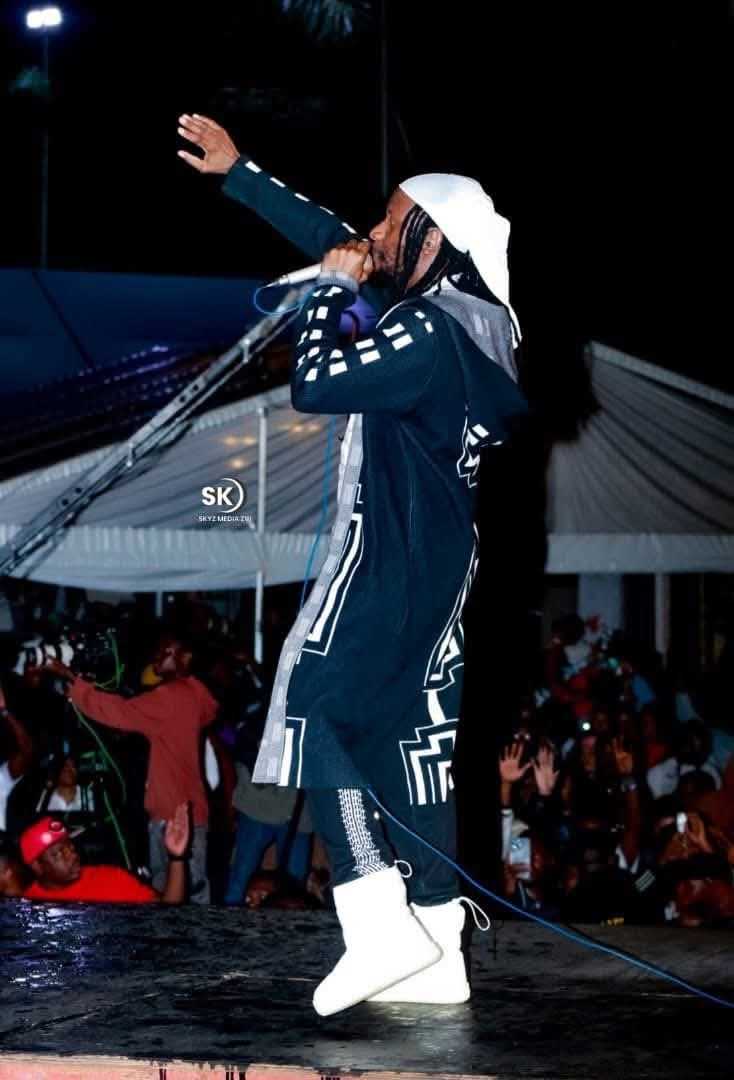
Andy Muridzo's departure from Jah Prayzah's Military Touch Movement became one of the industry's biggest talking points after Muridzo accused the label of denying him opportunities and favouring its founder.
Years later, Muridzo publicly apologised to Jah Prayzah, who accepted the apology, although Muridzo has maintained he has no intention of returning to the label.
Former 3rd Generation member Baba Harare also went his own way before publicly expressing disappointment when Jah Prayzah failed to attend his album launch in 2023. Although both artists have built successful careers, their relationship remains distant.
The Samanyanga Era
If previous generations fought over bands and contracts, Zimbabwe's hip-hop generation has turned rivalries into public spectacles.
Holy Ten's Samanyanga movement became one of the country's biggest hip-hop success stories, but it also produced a series of high-profile feuds.
His fallout with Saintfloew centred on recognition, with Saintfloew insisting he built his own career while Holy Ten maintained he had helped shape the rapper's success.
Producer Michael Magz later left the camp, saying their relationship deteriorated after he was mentioned in a diss track despite producing some of Holy Ten's biggest projects. The pair have since reconciled.
Holy Ten also traded public attacks with Voltz JT in a rivalry fuelled by diss tracks, social media exchanges and personal accusations. His relationship with Winky D similarly deteriorated over the politically charged song Ibotso, although both artists later made peace.
Even amid disagreements with Micky Black, the pair continued producing award-winning music together, proving that creative chemistry can sometimes outlast personal conflict.
When the Music Outlives the Feud
Zimbabwe's music history shows that conflict has often walked hand in hand with creativity.
Bands have split over money. Brothers have turned against each other. Mentors have watched protégés leave. Friends have become rivals.





Leave Comments