







Zimbabwe has recorded a sharp increase in compliance with international public sector accounting standards, with 91 percent of government entities submitting financial statements in 2025 compared to 66 percent the previous year, but public finance experts say the real test lies not in submission rates but in whether the reports improve accountability and expose financial mismanagement.
The Ministry of Finance said 251 public entities submitted International Public Sector Accounting Standards financial statements this year, up from 188 entities in 2024, describing the increase as evidence that capacity-building efforts are yielding results.
However, governance analysts caution that compliance with reporting requirements does not automatically translate into stronger public financial management, particularly in a country where successive reports by the Auditor-General have repeatedly highlighted issues ranging from unsupported expenditures and procurement irregularities to weak internal controls across state institutions.
"The submission rate tells us that more entities are filing reports, but it does not tell us whether public resources are being managed efficiently or whether financial leakages are being addressed," said economist and governance expert Professor Gift Mugano.
Zimbabwe's adoption of IPSAS is part of efforts to align public sector accounting with international standards, improve fiscal transparency and strengthen confidence among investors and development partners. The standards require public entities to provide more comprehensive disclosures on assets, liabilities, revenues and expenditures.
Yet transparency advocates argue that the value of improved reporting will ultimately depend on how the information is used.
Related Stories
Annual reports from the Office of the Auditor-General have consistently identified governance weaknesses across public entities, including failure to account for public funds, weak procurement practices and non-compliance with financial regulations. Critics say these recurring findings suggest that producing financial statements is only one step in a much larger accountability process.
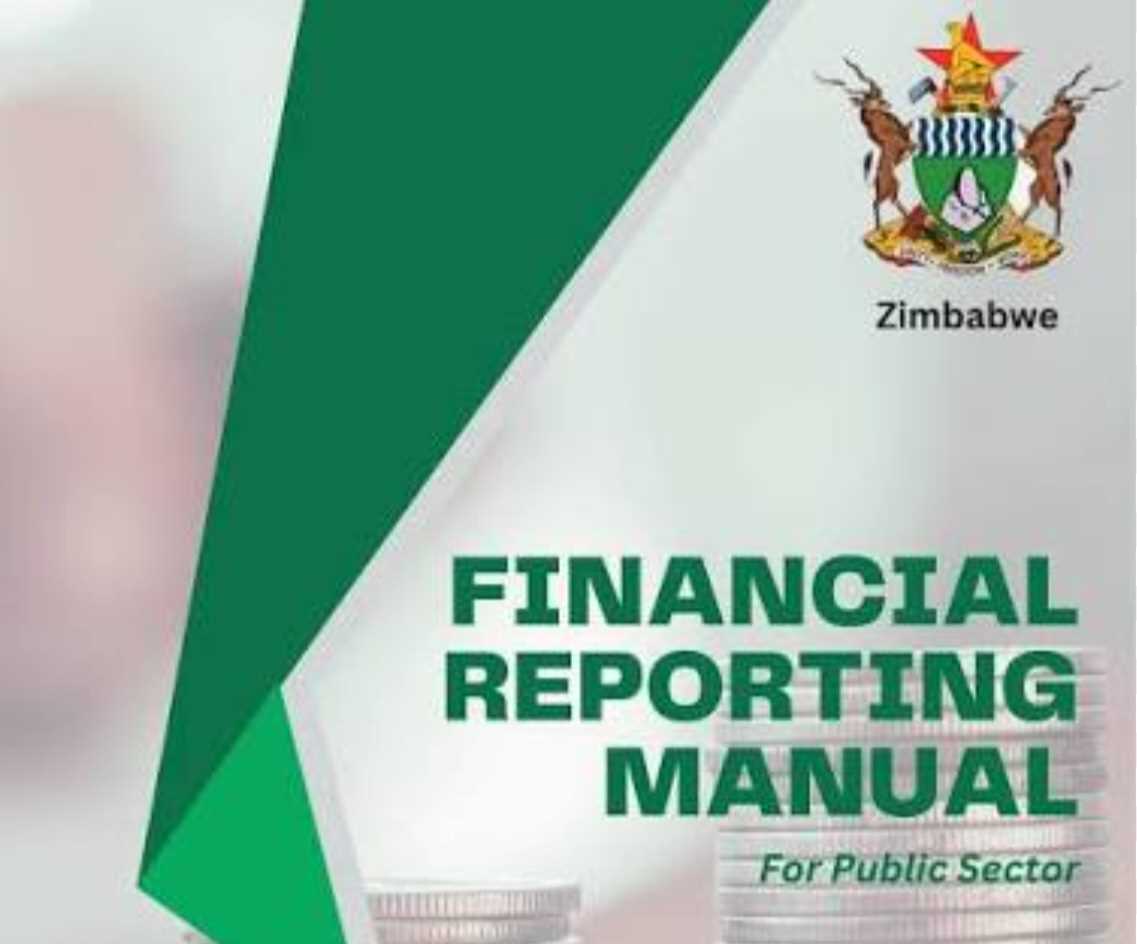
The Ministry of Finance said the 2025 review programme had already revealed improvements in disclosure quality and reporting clarity, with findings expected to inform revisions to the Zimbabwe Financial Reporting Manual and future Treasury guidance.
Finance analyst Persistence Gwanyanya said stronger reporting frameworks are important because they provide policymakers and citizens with a clearer picture of the state's financial position.
"IPSAS implementation is a positive development because it enhances comparability and transparency. The challenge is ensuring that information generated through these systems is acted upon and that institutions are held accountable for weaknesses identified," he said.
The increase in compliance comes as Zimbabwe continues pursuing public financial management reforms aimed at improving fiscal discipline and restoring confidence in government institutions. International organisations, including the IMF and World Bank, have long identified transparent financial reporting as a critical component of sound economic governance.
Analysts note that compliance statistics should not be viewed in isolation. They argue that the more important measure will be whether the improved reporting framework leads to reductions in audit qualifications, stronger oversight of state-owned enterprises and greater accountability for public spending.





Leave Comments