





ZimNow News Desk
A suspected attempt to smuggle 204 tonnes of lithium ore out of Zimbabwe using cloned export documents has exposed the pressure facing Government’s raw mineral export ban, as authorities push to keep more value from battery minerals inside the country.
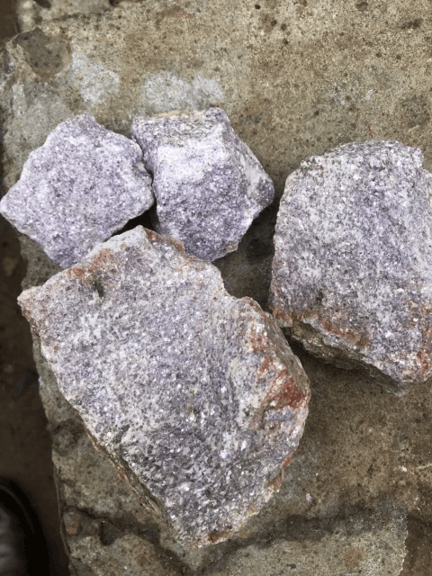
The Zimbabwe Anti-Corruption Commission and the Zimbabwe Revenue Authority reportedly intercepted part of the consignment after two trucks were stopped at Forbes Border Post on May 20, 2026. The drivers had allegedly misrepresented that they were carrying empty containers, but later admitted they were transporting lithium ore.
According to ZACC, the syndicate allegedly used six haulage trucks to move lithium ore from CEVAFRICA Logistics in Harare between May 15 and 17. Investigators later established that fraudulent export documents had been used, including what was said to be a cloned expired Bikita Minerals and Zim Alloy-Chrome permit for petalite concentrate.
ZACC says 204 tonnes were targeted for export, although only 34 tonnes were successfully shipped out before the operation was detected. The seized lithium ore was valued at US$100,000.
A local businesswoman, Tsitsi Manyumwa, director of Kunshan Mineral Consultancy, has since appeared in court facing charges linked to the alleged smuggling attempt. Two alleged accomplices, clearing agent Simbarashe Shaza and foreign national Li Dewen, are reportedly still at large.
Related Stories
The case comes at a sensitive time for Zimbabwe’s mining sector. Government banned the export of unbeneficiated lithium ore in December 2022, allowing exports only under written ministerial permit. In February 2026, authorities went further by suspending exports of all raw minerals and lithium concentrates, citing export malpractices and mineral leakages.
The latest bust suggests that enforcement is now becoming a major test of the beneficiation policy. Zimbabwe is Africa’s top producer of lithium-bearing spodumene concentrate and exported about 1.128 million tonnes in 2025, up 11% from the previous year, according to Reuters. Most of the concentrate is exported to China for further processing into battery-grade material.
Government has been pressing miners to process more lithium locally so the country earns more from the global battery minerals boom. Lithium producers have also been investing in laboratories to improve mineral valuation and detect associated minerals such as tantalum, caesium, tin and feldspar, which can be missed without proper analysis.
Zimbabwe’s concern over mineral leakage is not new. Gold smuggling has for years been flagged as one of the country’s biggest revenue drains, with estimates cited by mining and policy analysts ranging from hundreds of millions to more than US$1 billion annually in lost value. The lithium case raises similar questions for battery minerals: if cloned documents and false cargo declarations can move ore towards the border, the challenge is no longer just mining regulation, but the integrity of the whole export chain.
ZACC spokesperson Simiso Mlevu said the commission was working with ZIMRA to monitor cargo and investigate suspected smuggling cases.
“The commission complements the Government policy banning exportation of raw minerals, including lithium, through interagency cooperation and collaboration,” she said.
The lithium bust is therefore more than a criminal case. It is a warning that Zimbabwe’s beneficiation drive will depend not only on policy announcements and processing plants, but on whether border systems, permits, cargo declarations and mineral valuation controls can keep pace with increasingly organised smuggling networks.







Leave Comments