








The Medicines Control Authority of Zimbabwe has challenged content creators to put public health ahead of financial gain, warning that promoting unregistered medicines or making misleading health claims on social media could endanger lives and attract prosecution.
Speaking during the inaugural Content Creators Regulatory Engagement held in Harare, MCAZ officials urged digital influencers to verify medicines before accepting advertising deals, saying the growing influence of social media has made content creators key players in protecting public health.
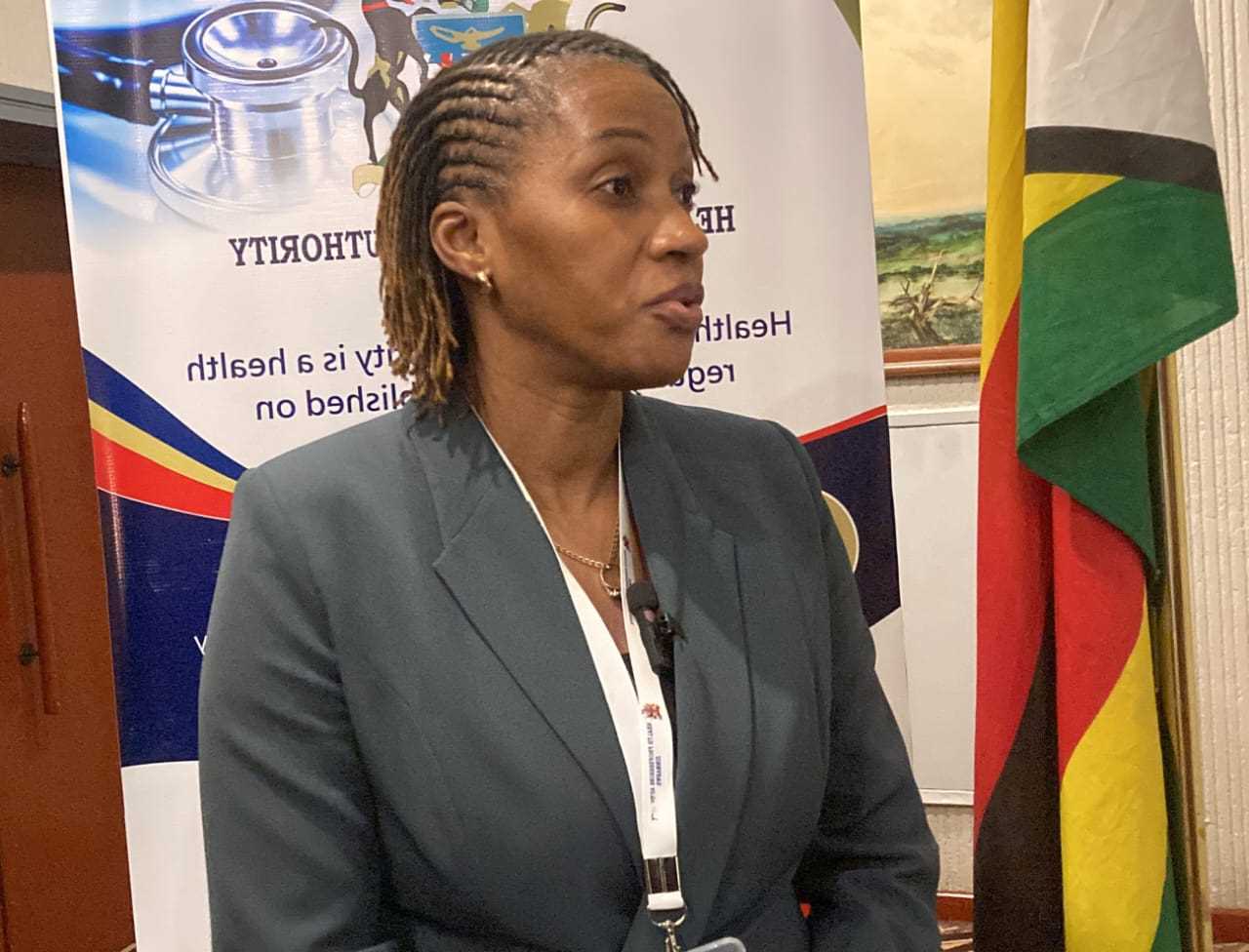
MCAZ Regulatory Affairs Officer Rufaro Ziduche said many content creators unknowingly break the law because they do not understand what constitutes a medicine advertisement.
"The legal definition of an advertisement is any written, pictorial, visual or verbal matter intended to promote the sale of a medicine. This includes newspapers, television, publications, social media, WhatsApp, TikTok, Facebook, Instagram, YouTube and any other form of public communication," she said.
She said many influencers wrongly believe they are simply creating content when, in fact, they are advertising medicines.
"People often think they are not selling it, but if your content encourages people to buy or use a medicine, it is probably advertising," said Ziduche.
She stressed that no medicine may be advertised without prior written approval from MCAZ.
"A company develops the advertisement, submits it to MCAZ, MCAZ reviews it, approval is issued and only then may the advertisement be published to the general public. If you cannot verify that MCAZ has approved the advert, do not post it," she said.
Ziduche encouraged content creators to ask themselves critical questions before accepting advertising deals.
"Is it a registered medicine that MCAZ has approved? Am I making claims that have been approved in the advert? Is the medicine prescription-only? Could this mislead the public?" she said.
She warned that violating medicine advertising regulations can result in prosecution, fines, removal of advertisements, regulatory action, loss of brand partnerships and reputational damage.
MCAZ Public Relations and Communications Manager Davidson Kaiyo said the authority had observed an increase in misleading health information circulating on digital platforms, prompting the engagement with content creators.
"The MCAZ exists to protect members of the public. One of the major challenges we have observed is the spread of misleading information and unsubstantiated claims on social media. People may abandon prescribed medicines in favour of products promoted without scientific evidence, placing their health at serious risk," said Kaiyo.
He said content creators wield enormous influence and must ensure the information they share is accurate, responsible and evidence-based.
Related Stories
President of the Content Creators Association of Zimbabwe Takunda "Nex" Tapfuma said the workshop had fundamentally changed how creators would approach health-related endorsements.
"This engagement has been very beneficial. In the past, we accepted advertising jobs without knowing whether the products complied with the law. We now understand our responsibility because many people trust the information we share," he said.
"If a company approaches us to promote a medicine or health product, we now know we can first consult the Medicines Control Authority of Zimbabwe to verify whether the product has been approved and whether it is legal to advertise it."
Content creator Wessy Issa said the training exposed many creators to regulations they had never encountered before.
"Before this workshop, I didn't even know there were laws governing the advertising of medicines. Now I know better," she said.
Another content creator, Tryphine Gonz, said the engagement would influence every future health-related partnership.
"Now I know that whenever I receive a medical-related advert, including herbs, I need to first check with MCAZ," she said.
Content creator Ashley Estone said influencers have a responsibility to protect their audiences.
"This training has empowered us to protect our audiences by ensuring the information we share is accurate, lawful and safe. Going forward, we will create content that complies with the law and contributes positively to public health," he said.
Comedian and content creator Lorraine Guyo urged fellow influencers not to ignore the law.
"Content creators should not ignore the laws and must not be ignorant because everything has a price to pay," she said.
Content creator Allen Skits called for stronger collaboration between influencers and the medicines regulator.
"We should collaborate with MCAZ to promote the message against the advertisement of illegal and unregistered medicines," he said.
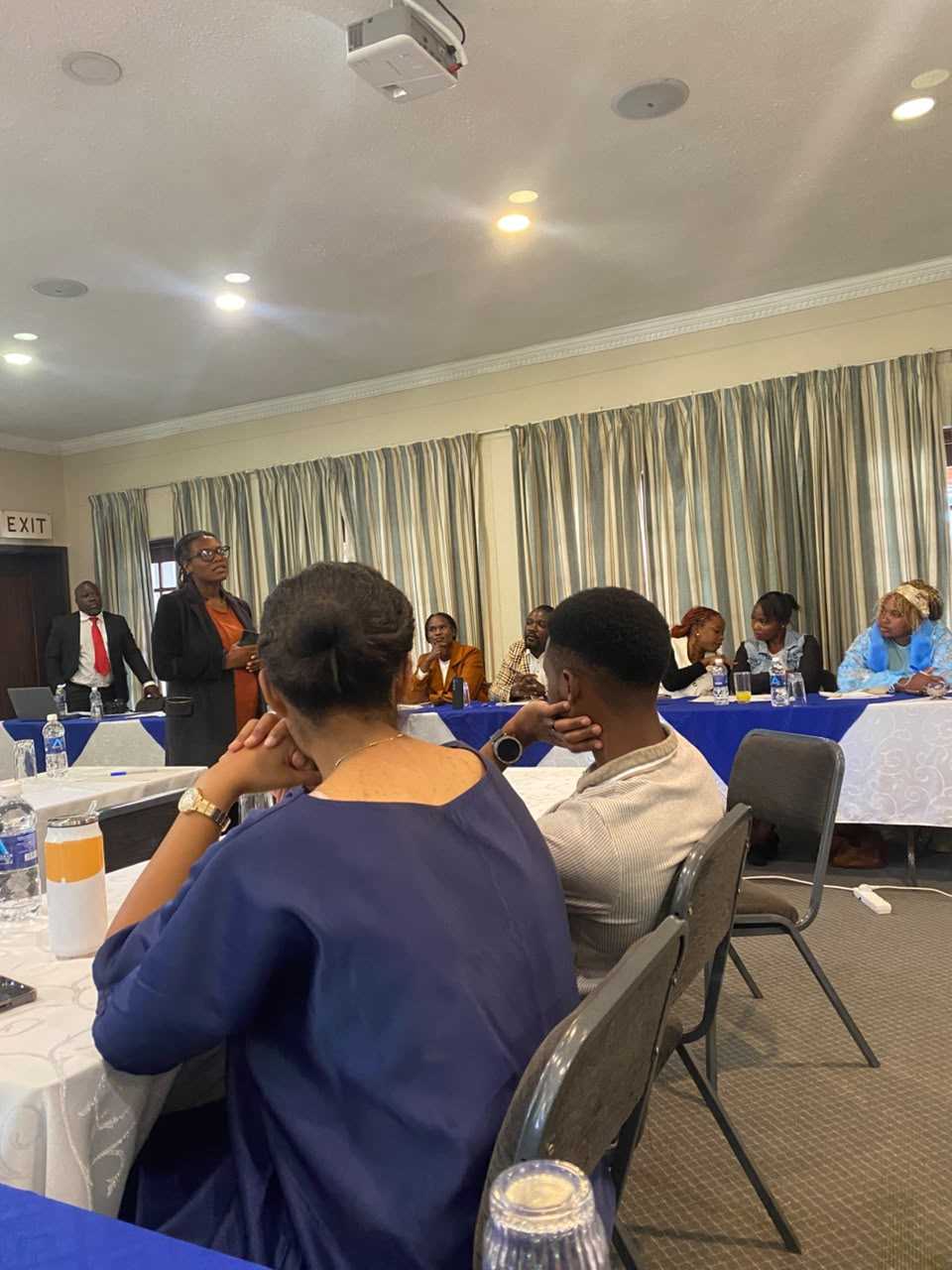
The engagement brought together representatives from MCAZ and the Content Creators Association of Zimbabwe to discuss medicines advertising requirements, legal and ethical obligations, the dangers of substandard, falsified and unregistered medical products, and the role of digital creators in protecting public health.
MCAZ said strengthening creators' understanding of the law will help reduce health misinformation online and ensure digital platforms become a trusted source of accurate health information rather than a threat to consumer safety.






Leave Comments